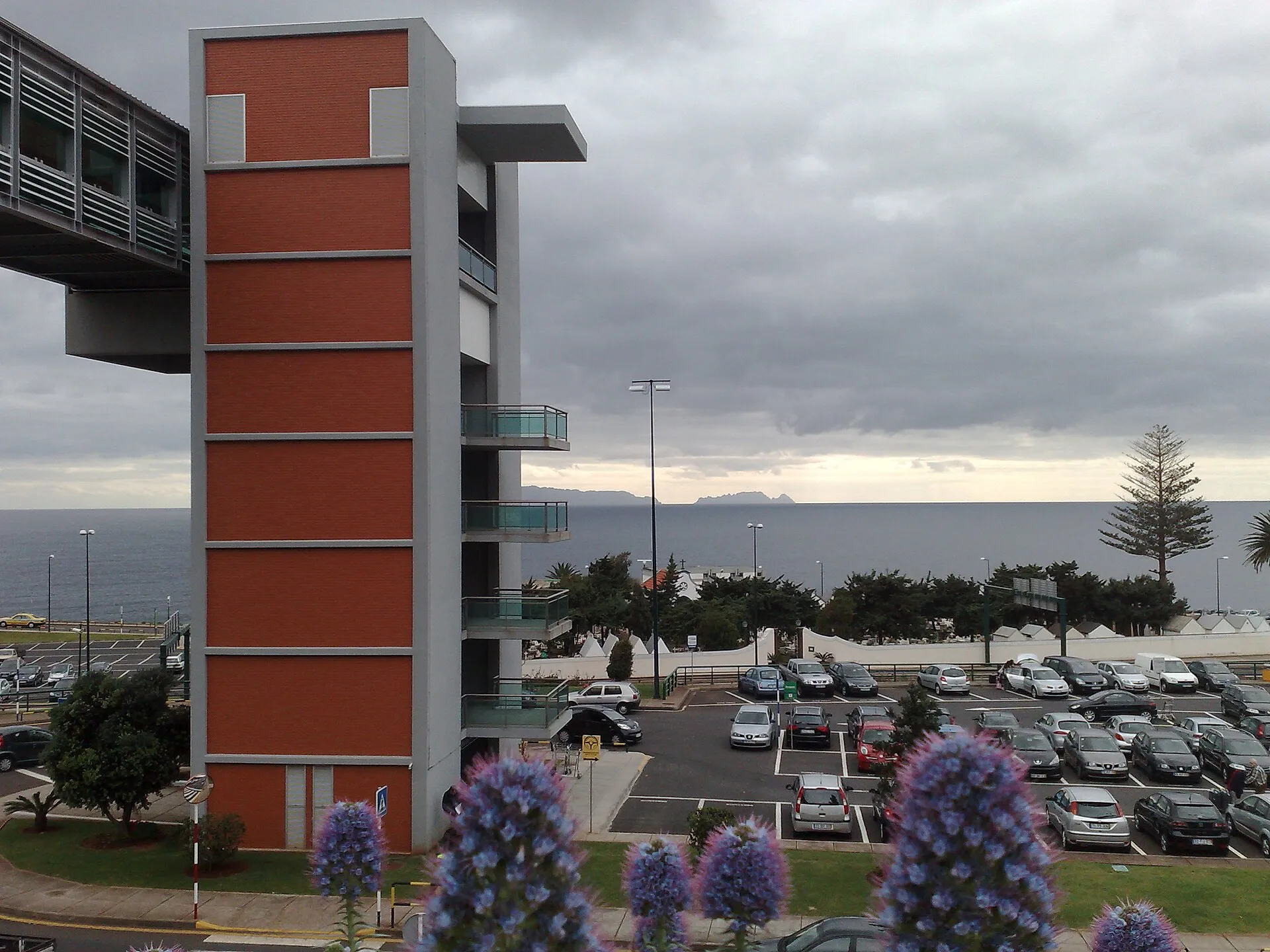
Madeira Airport, officially Madeira Cristiano Ronaldo International Airport, is the main air gateway to Portugal’s Autonomous Region of Madeira. It is located in the municipality of Santa Cruz, about 16 km from Funchal, and ANA describes it as Portugal’s fourth airport by passenger volume, serving mainly the island’s tourism sector. Inaugurated in 1964, it is a distinctive coastal infrastructure shaped by successive modernisations and by a geographic setting constrained by the sea and steep terrain.
Read article →
A neutral editorial guide for travellers considering car hire on Madeira Island. It explains when a car makes sense, what driving is like, how parking works, and which alternatives exist for visitors who would rather not drive.
Read article →
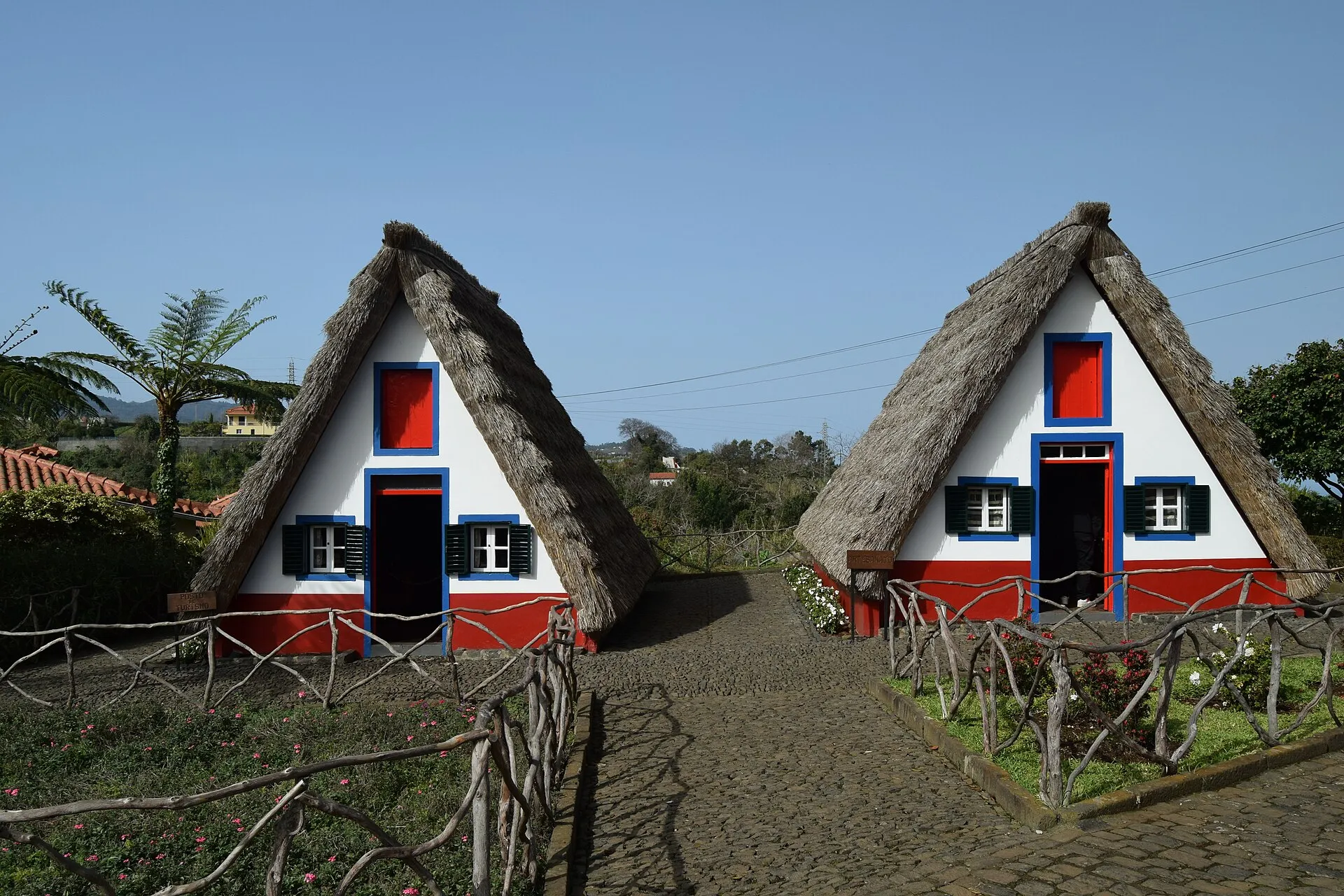
Madeira combines mountain landscapes, coastal viewpoints, subtropical gardens and walking routes shaped by the island’s water and forest heritage. Among its best-known attractions are Cabo Girão, the Funchal Cable Car, Monte’s gardens, levada trails, UNESCO-listed Laurisilva, Pico Ruivo and Ponta de São Lourenço.
Read article →
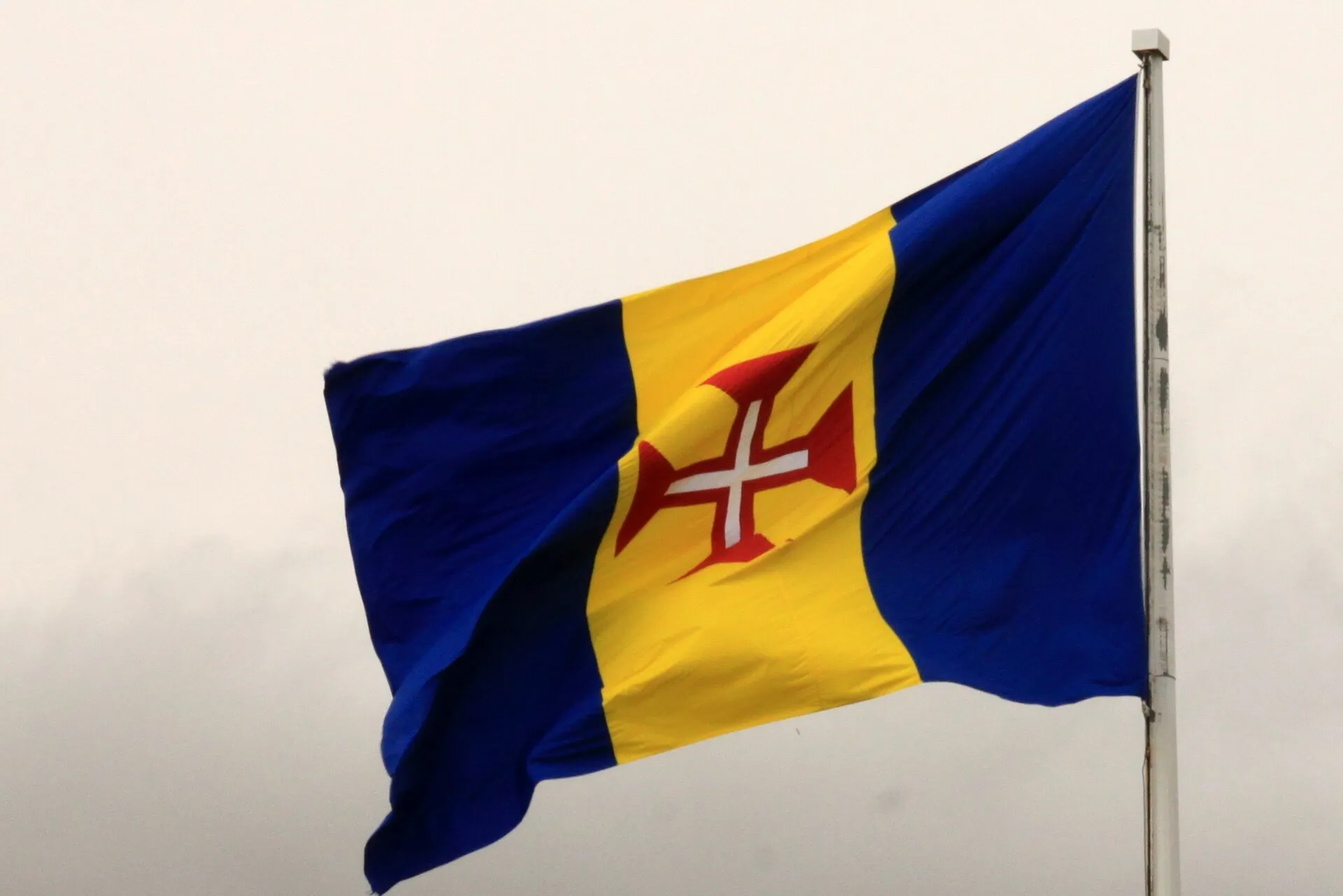
The flag of the Autonomous Region of Madeira is the most recognisable official symbol of the Portuguese archipelago in the North Atlantic. Its design combines two blue side bands, a yellow central band, and the Cross of the Order of Christ in the middle. As a regional emblem, it identifies Madeira’s autonomy and is used in institutional, official, and public-communication contexts.
Read article →
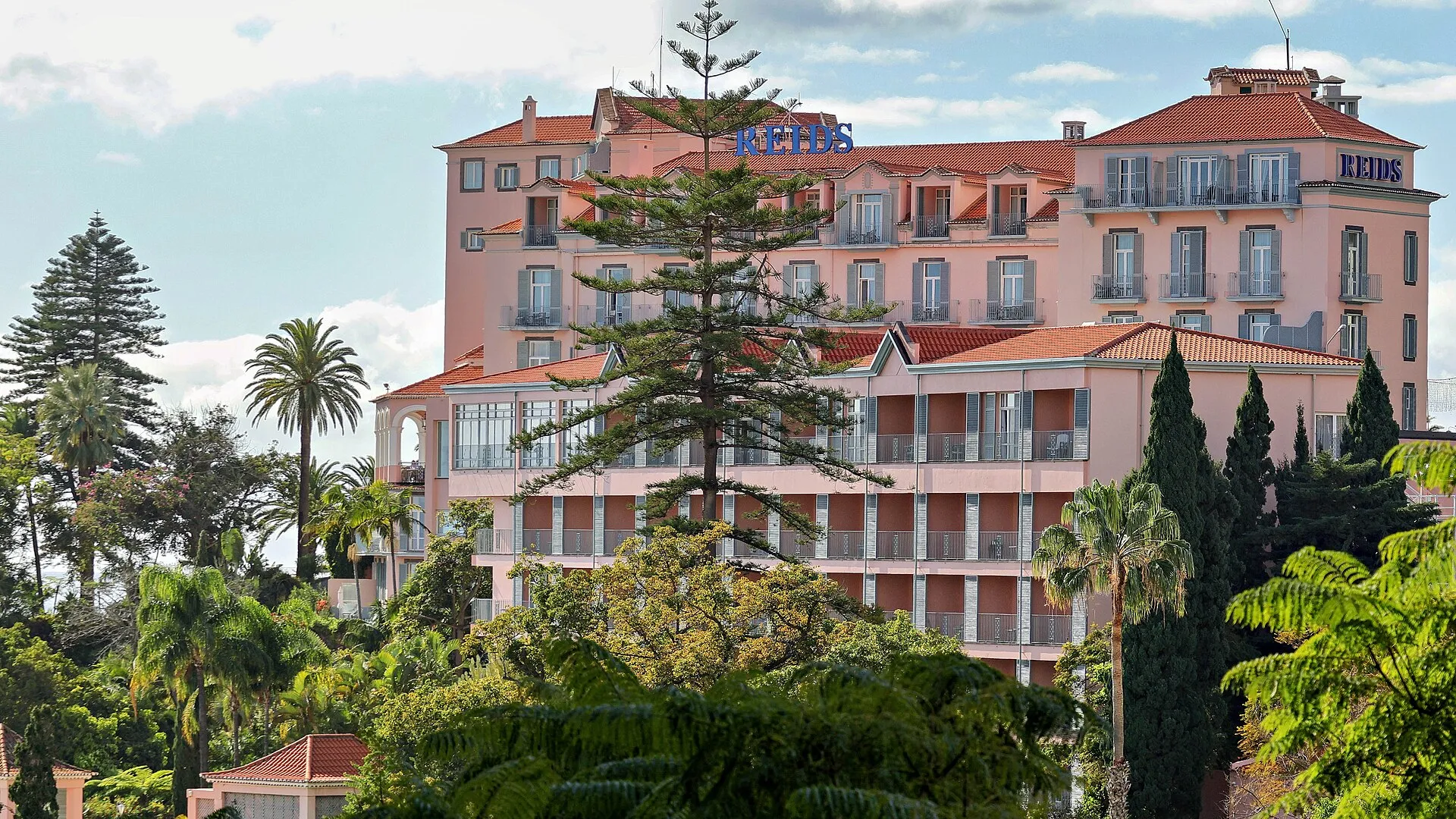
Belmond Reid’s Palace is a historic hotel in Funchal, Madeira, set in an elevated position above the Atlantic and linked to the island’s tourism development since the late 19th century. The property combines an urban setting, gardens and views over the bay, and remains one of the most recognisable hotel landmarks in Madeira’s capital.
Read article →
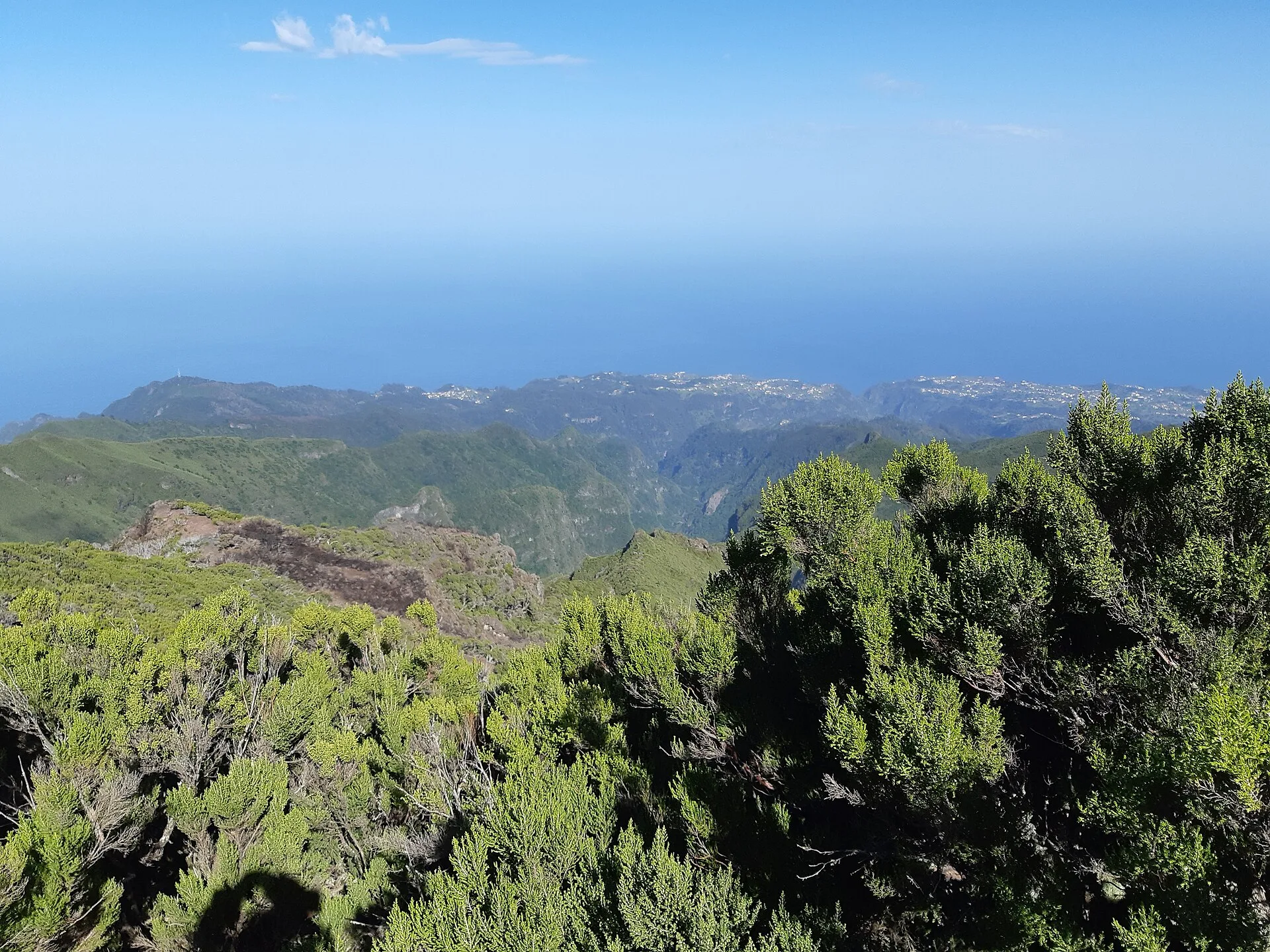
Madeira is a leading hiking destination thanks to its mix of levadas, mountain paths, coastal scenery, and laurisilva forest. This guide explains what makes hiking on the island distinctive, how the classified trails system works, and what to check before heading out.
Read article →
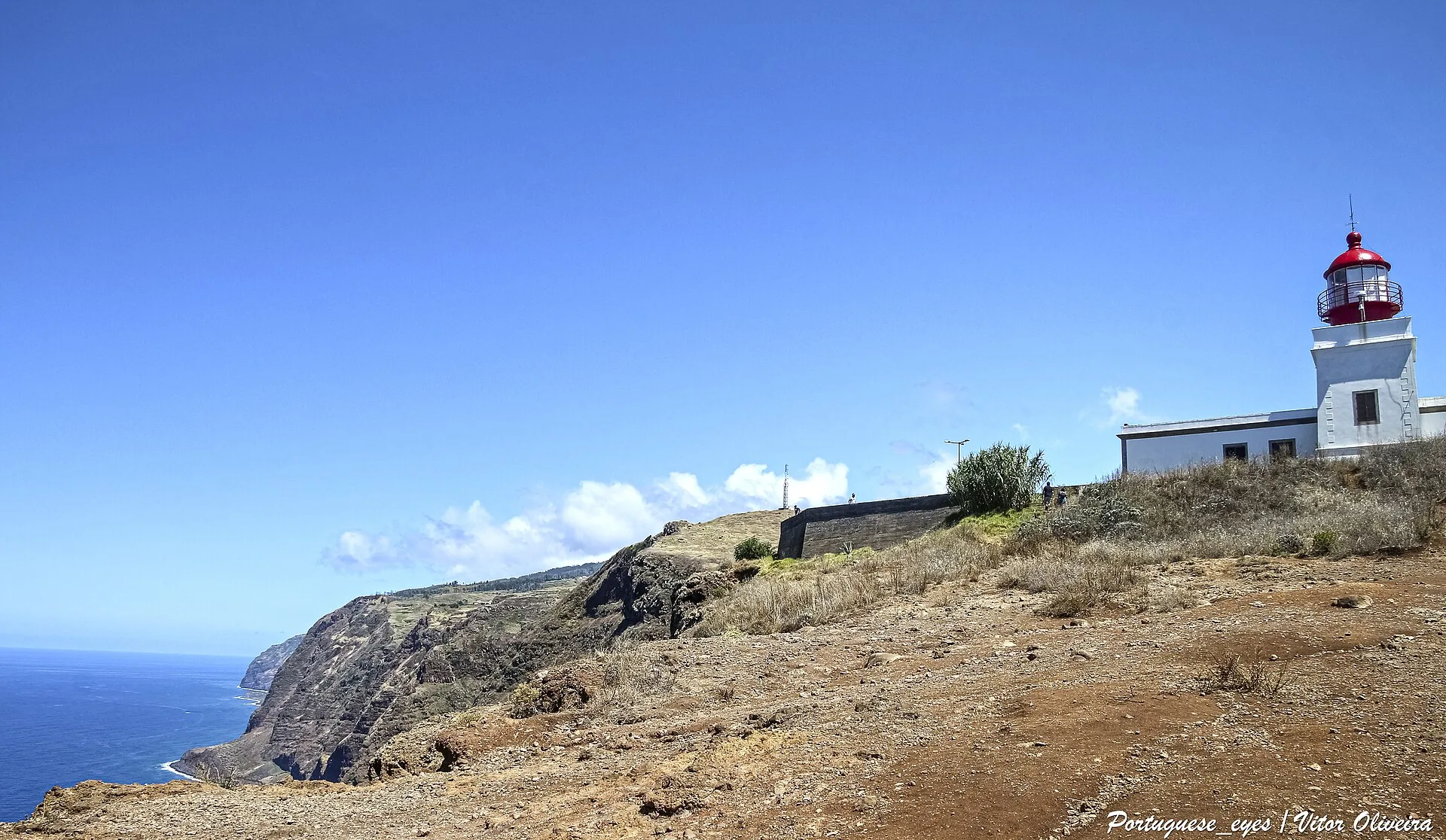
Ponta do Pargo Lighthouse stands on Ponta da Vigia, at the westernmost end of Madeira island. It came into operation in June 1922, has a 14-metre tower, and has been classified as Heritage of Local Value. A small museum nearby is devoted to the history of Madeira’s lighthouses.
Read article →
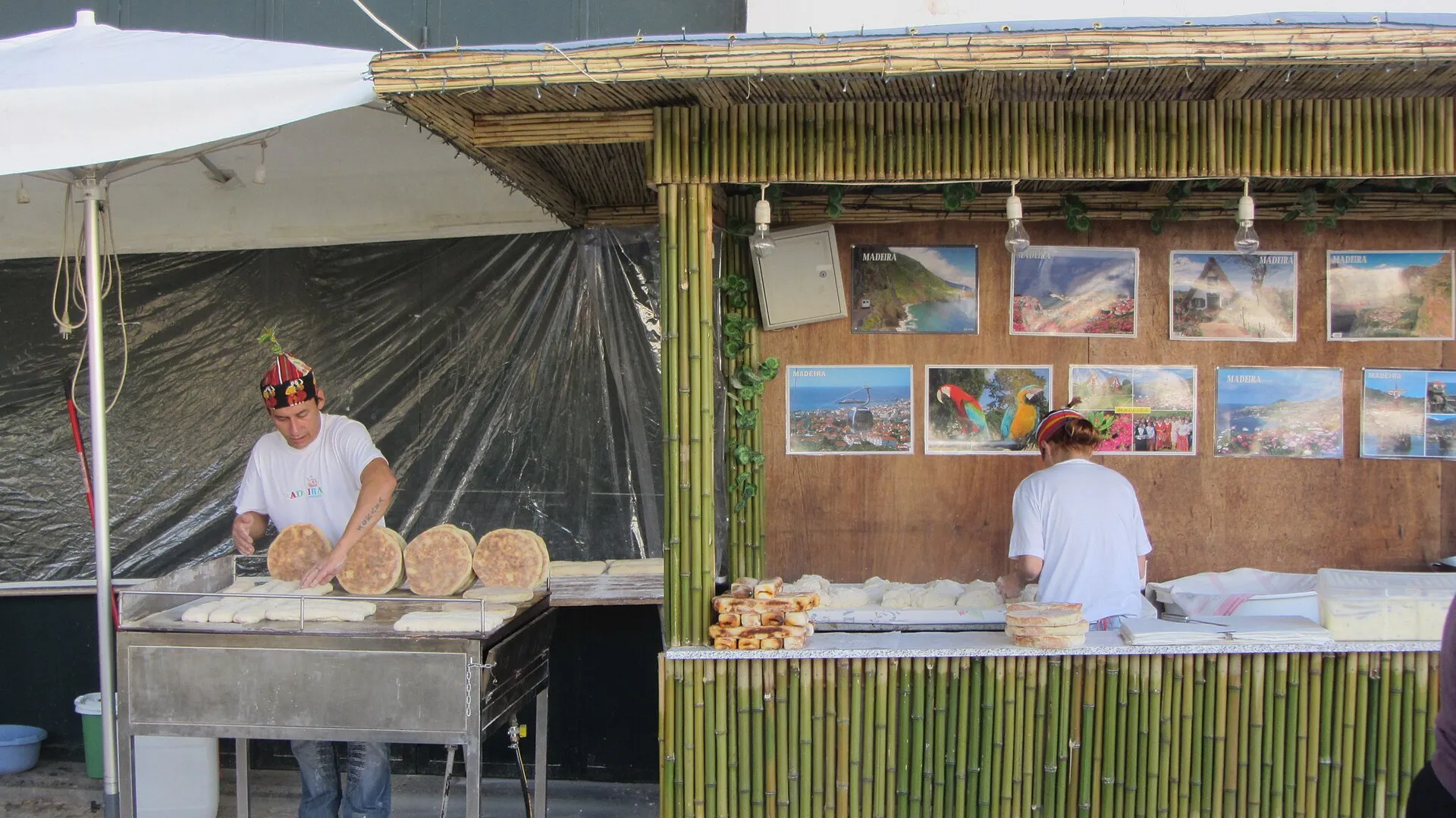
Madeiran cuisine brings together agriculture, the coast, and social tradition in an island food culture shaped by regional produce and distinctive flavours. Its most emblematic names include espetada, bolo do caco, black scabbardfish, grilled limpets, poncha, Madeira rum, Madeira wine, and sweets such as bolo de mel.
Read article →
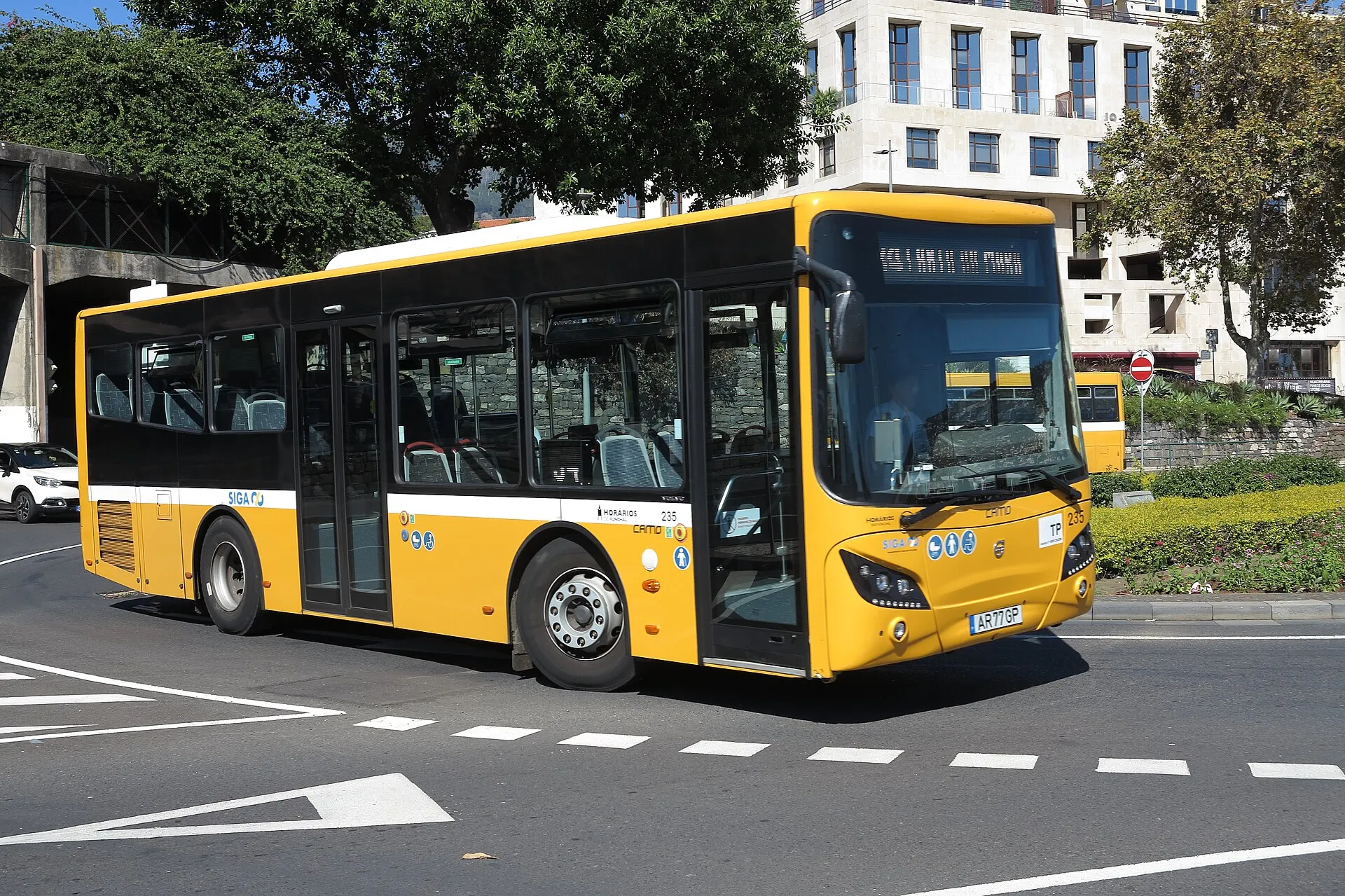
Horários do Funchal — Transportes Públicos, S.A. is the public passenger transport company associated with the municipality of Funchal, in Madeira. Its network includes urban and interurban routes and is a practical reference for anyone looking for bus timetables in Funchal. Official information on routes, timetables, and service changes should be confirmed through the company’s institutional channels and through SIGA, which the IMT, IP-RAM identifies as an official source of public transport information in the Autonomous Region of Madeira.
Read article →

Madeira Island is the main island of the Madeira archipelago and part of Portugal’s Autonomous Region of Madeira. Located in the North Atlantic, it is notable for its volcanic origin, mountainous relief, levada irrigation channels, UNESCO-listed Laurisilva forest, and a long history of Portuguese settlement.
Read article →
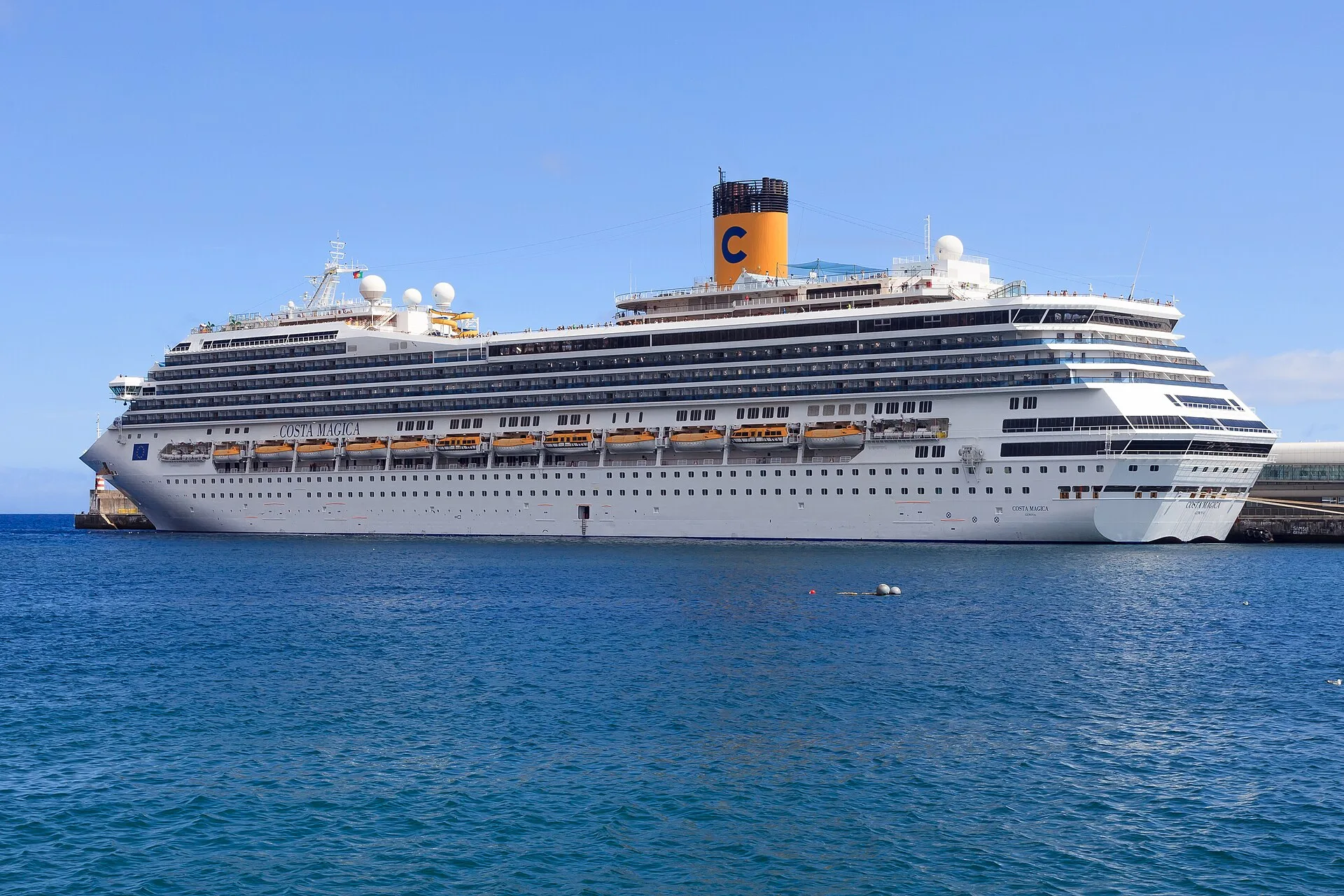
Madeira is the main island of the Madeira archipelago and one of Portugal’s best-known holiday escapes. Volcanic in origin, it combines mountainous scenery, a mild climate, extensive protected areas and the Laurisilva forest, a UNESCO World Heritage site. Funchal, on the south coast, is the capital and the archipelago’s main tourist, cultural and commercial centre.
Read article →
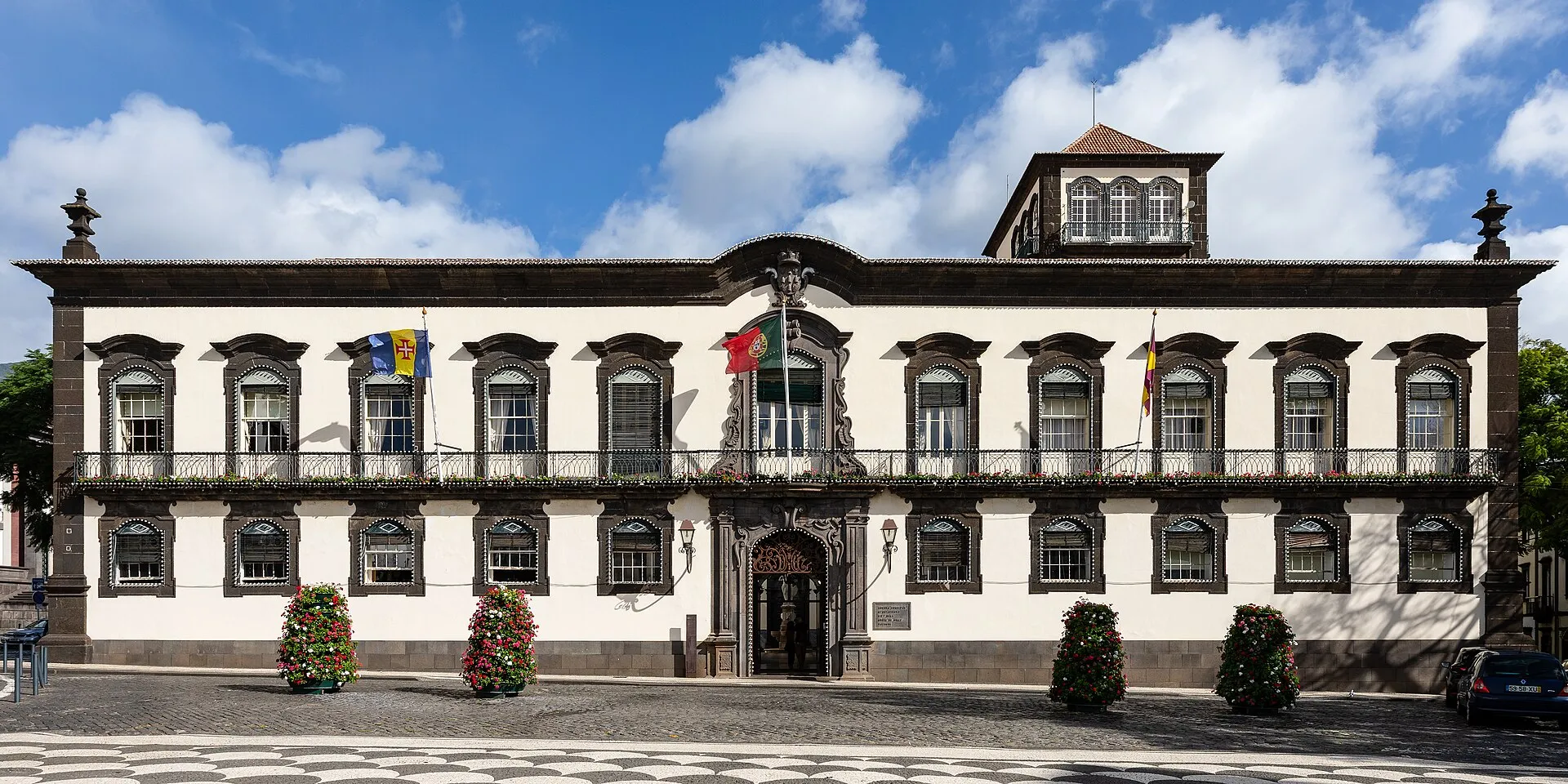
Madeira Island has an area of 741 km², is about 57 km long and 22 km wide. It is the largest island in the Madeira archipelago and is defined by steep mountain relief, an indented coastline, and a compact territorial scale that nonetheless feels highly varied.
Read article →
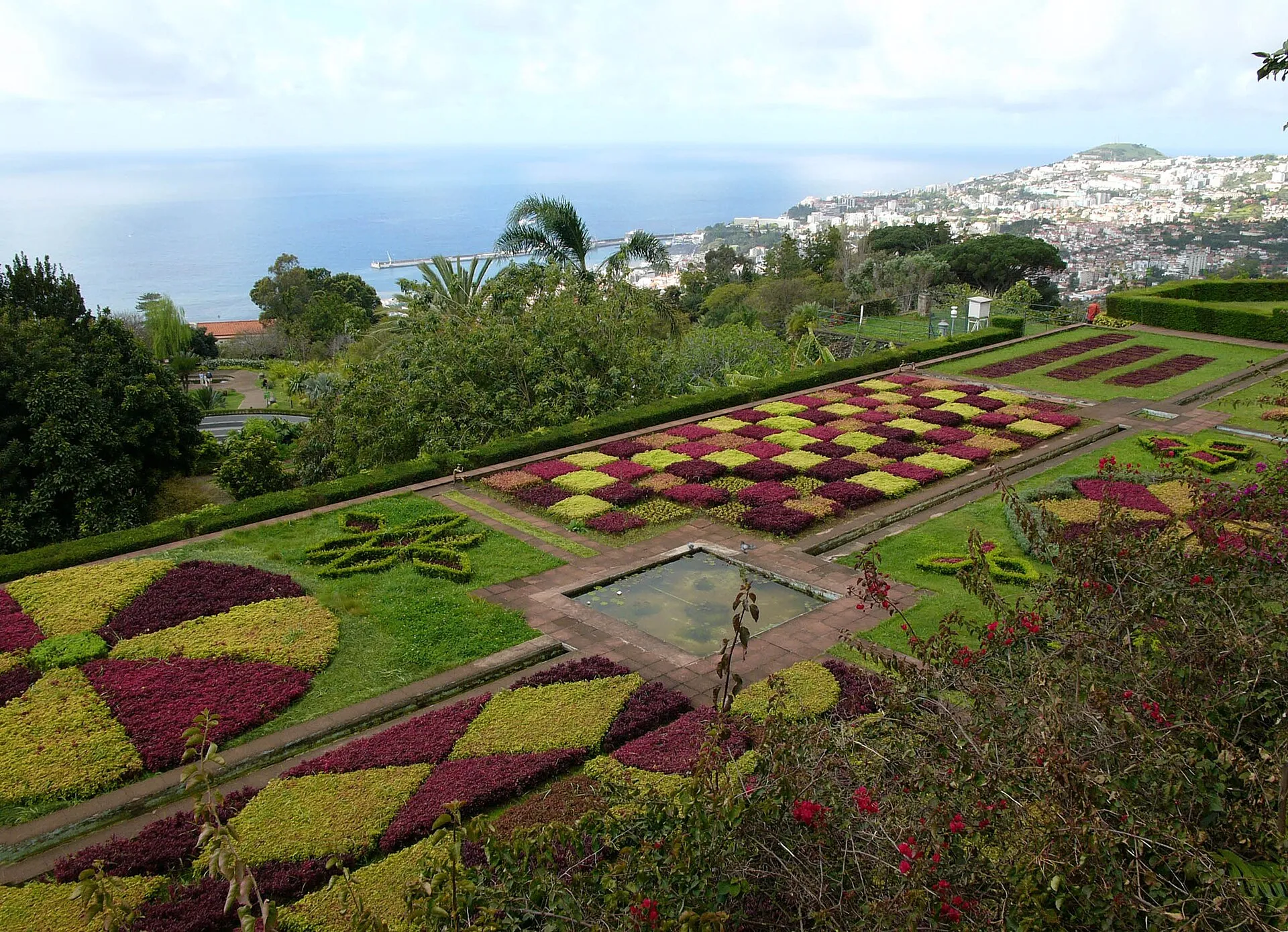
The Madeira Botanical Garden / Eng.º Rui Vieira is Funchal’s main botanical garden, set on Quinta do Bom Sucesso and administered by the Institute of Forestry and Nature Conservation, IP-RAM. Created in 1960, it brings together about 3,000 plant species, combines thematic collections with a herbarium and natural history museum, and serves as a place for conservation, study, and public visitation at one of the city’s best-known viewpoints.
Read article →
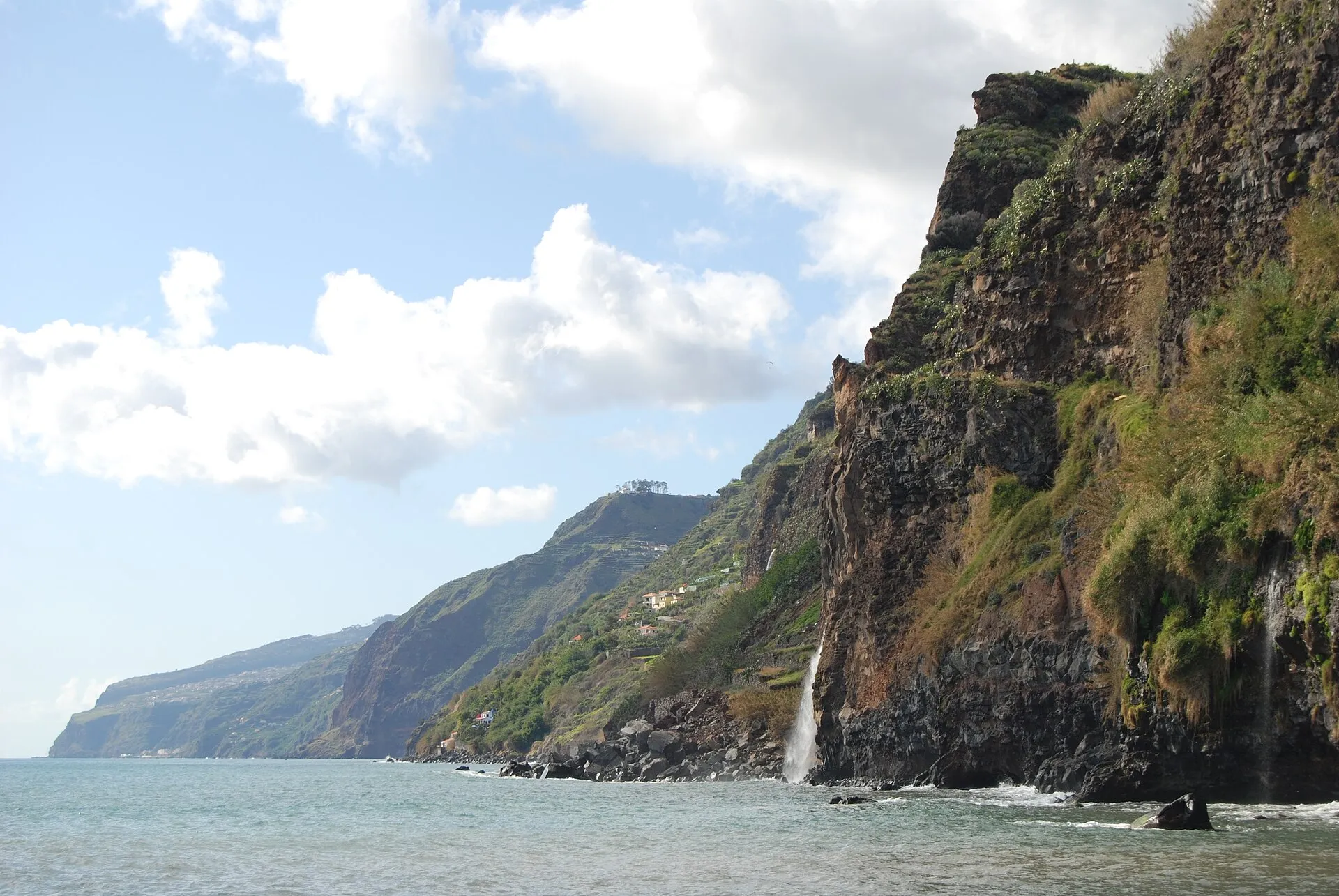
The Lisbon–Madeira connection is the simplest and most commonly used way to reach the archipelago’s main island from mainland Portugal. The trip is made mainly by air, with arrival at Cristiano Ronaldo Madeira International Airport in Santa Cruz and a road transfer onward to Funchal. The Port of Funchal is the region’s other major gateway, especially for cruise ships.
Read article →
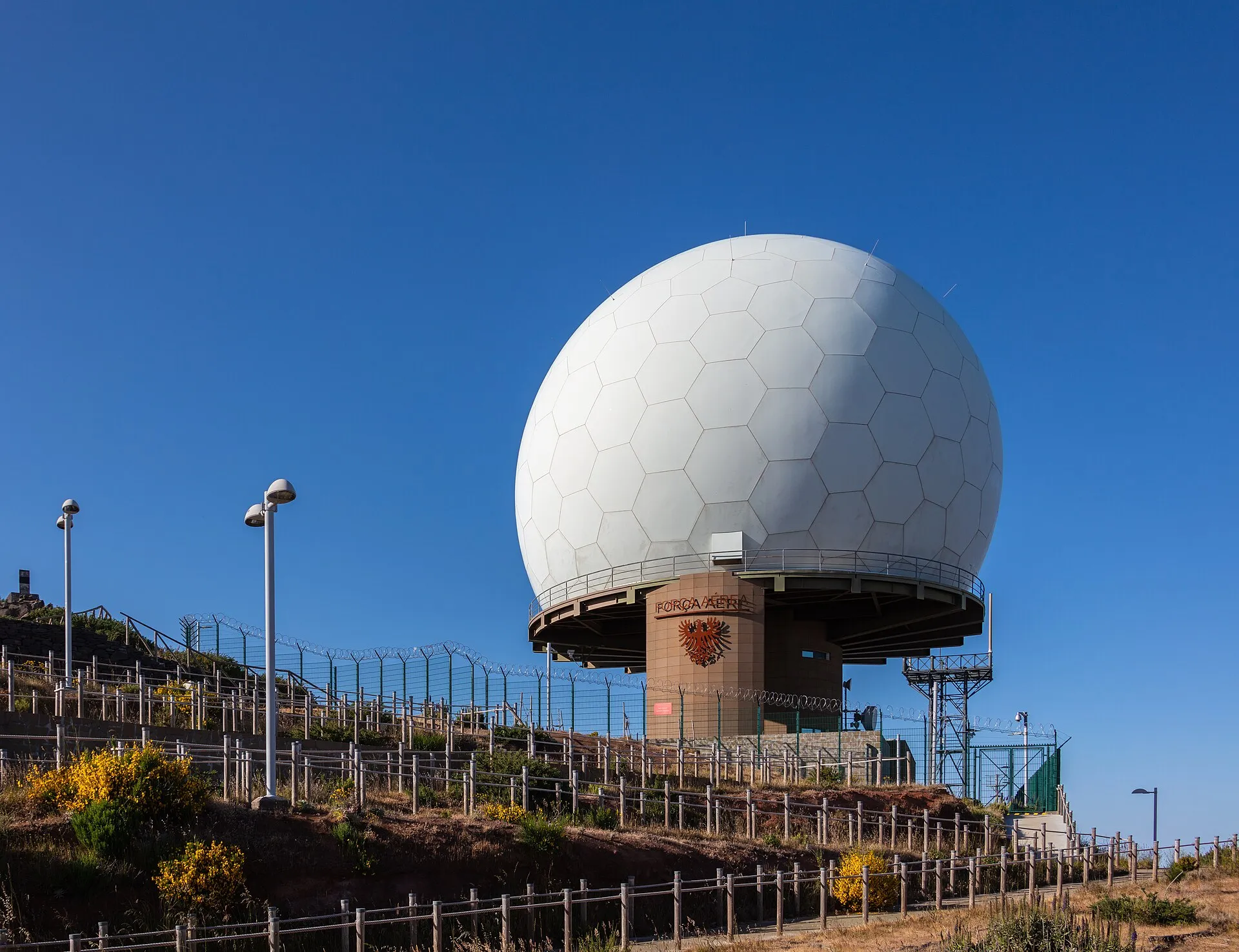
Madeira is the main island of the Madeira archipelago, a Portuguese territory in the North Atlantic known for its volcanic origin, mountainous relief, rugged coastline, and laurisilva forest. For anyone searching for “Madeira island live cam”, the most useful context is to understand the island as a place where weather can vary sharply between the coast, the slopes, and the higher interior, which is why the official tourism webcams are widely used to check current conditions before heading out to explore the island.
Read article →
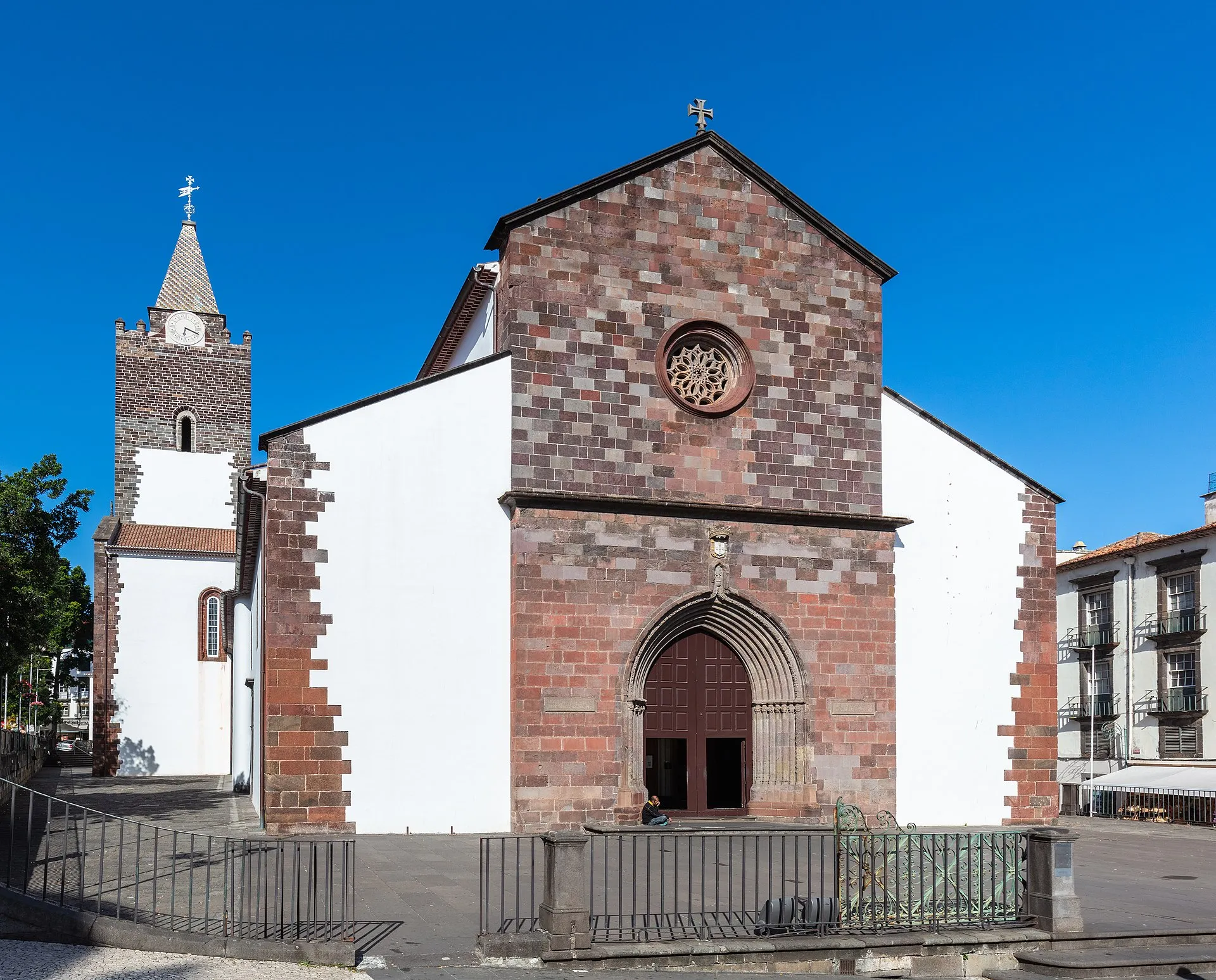
Madeira is the principal island of the Madeira archipelago in the North Atlantic, and Funchal is its capital. The island combines mountainous relief, steep slopes, terraced agriculture, a strong Atlantic identity, and a historic capital facing the sea. This article distinguishes the island from the city and explains how Funchal relates to the wider archipelago.
Read article →
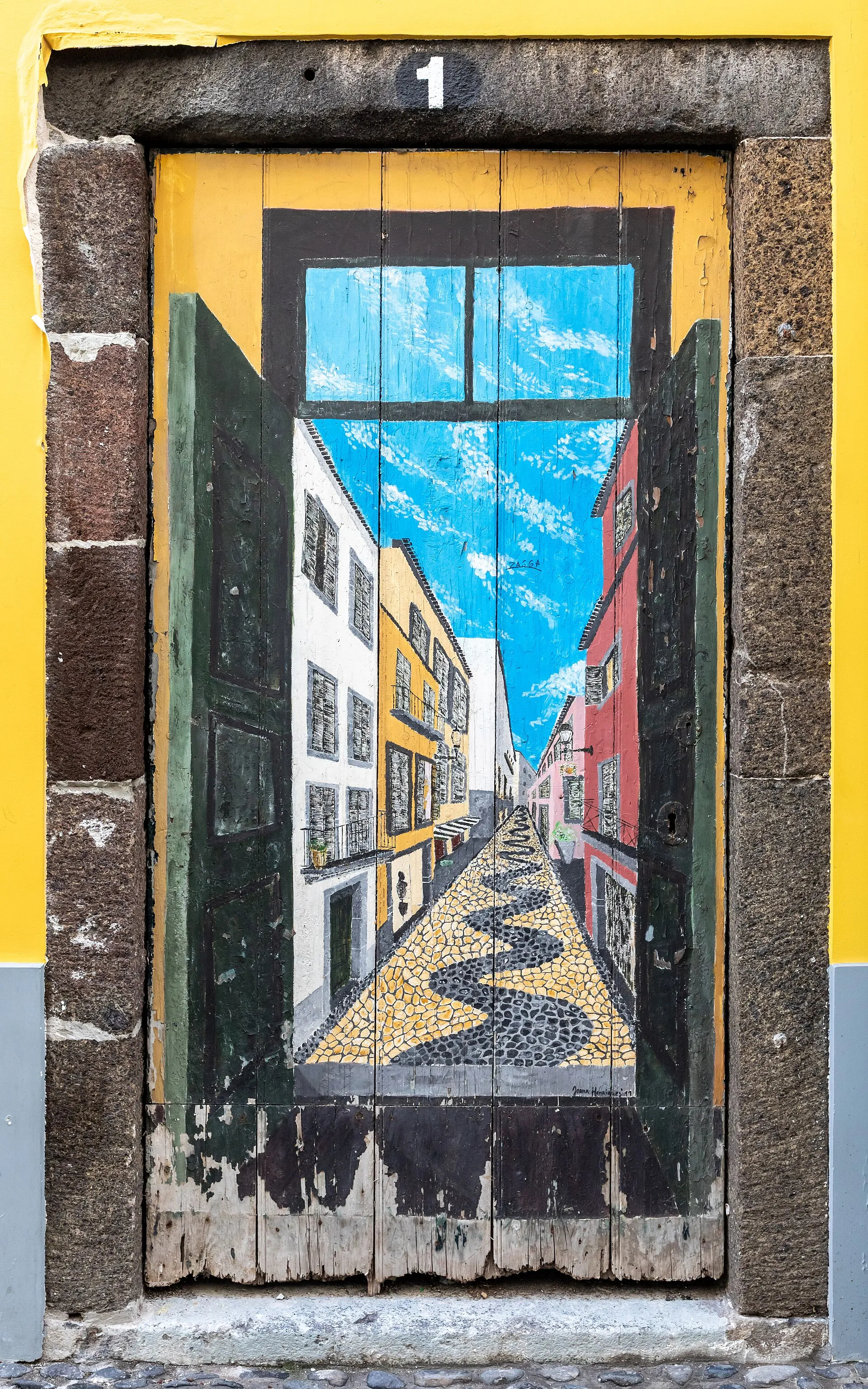
Madeira is a Portuguese archipelago in the North Atlantic, shaped by volcanic relief, strong contrasts between coast and mountain, and a mild climate that remains relatively steady in Funchal throughout the year. This article explains how the island’s geography helps interpret weather in the Madeiran capital and why the same island can show very different conditions within a short drive.
Read article →
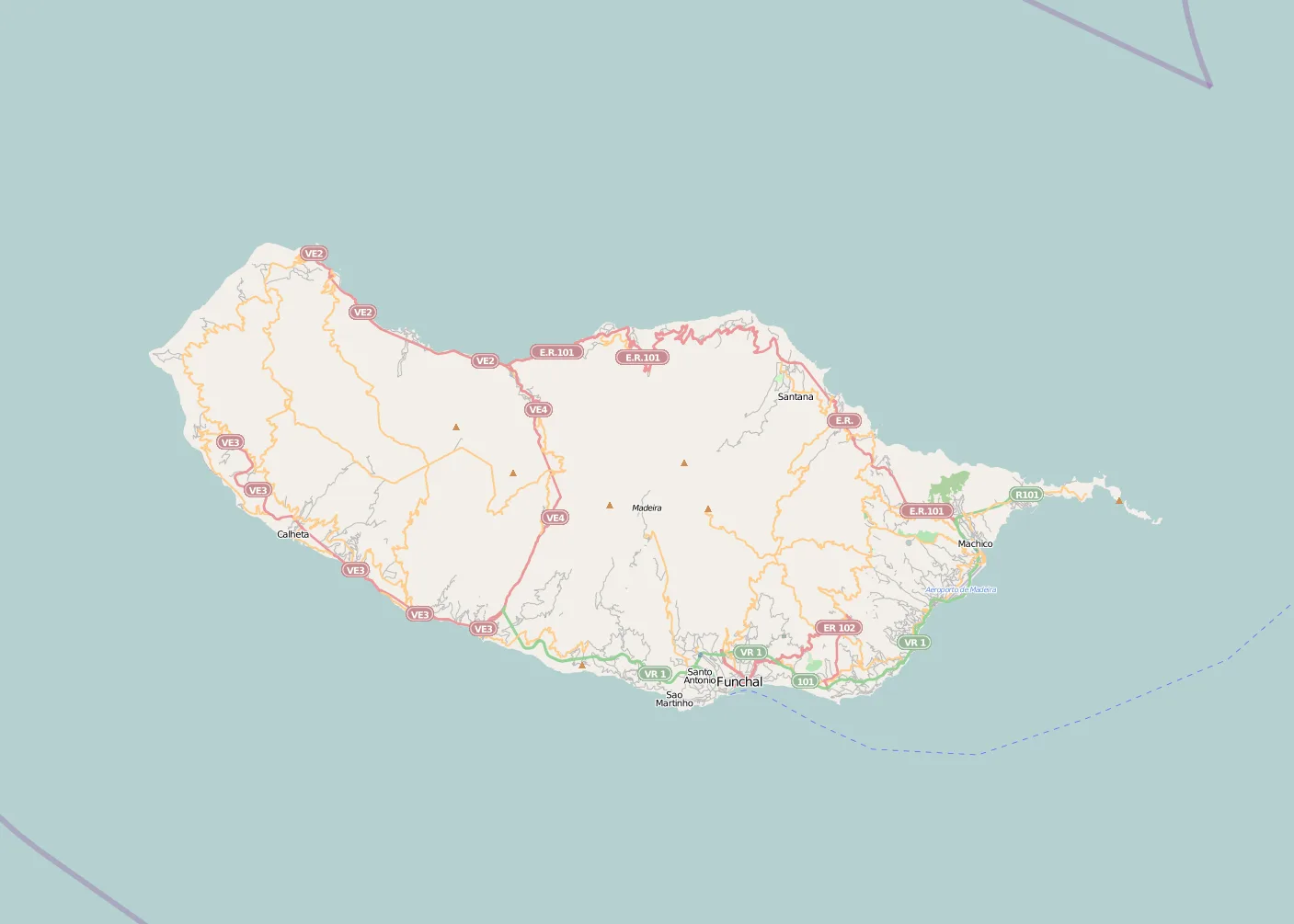
Madeira Island is the main island of the Madeira archipelago in the North Atlantic. Its map is defined by steep relief, abrupt coasts, a volcanic interior, and extensive protected areas. A good map helps readers understand the relationship between the mountains, deep valleys, Laurisilva forest, and the coastal settlement pattern.
Read article →
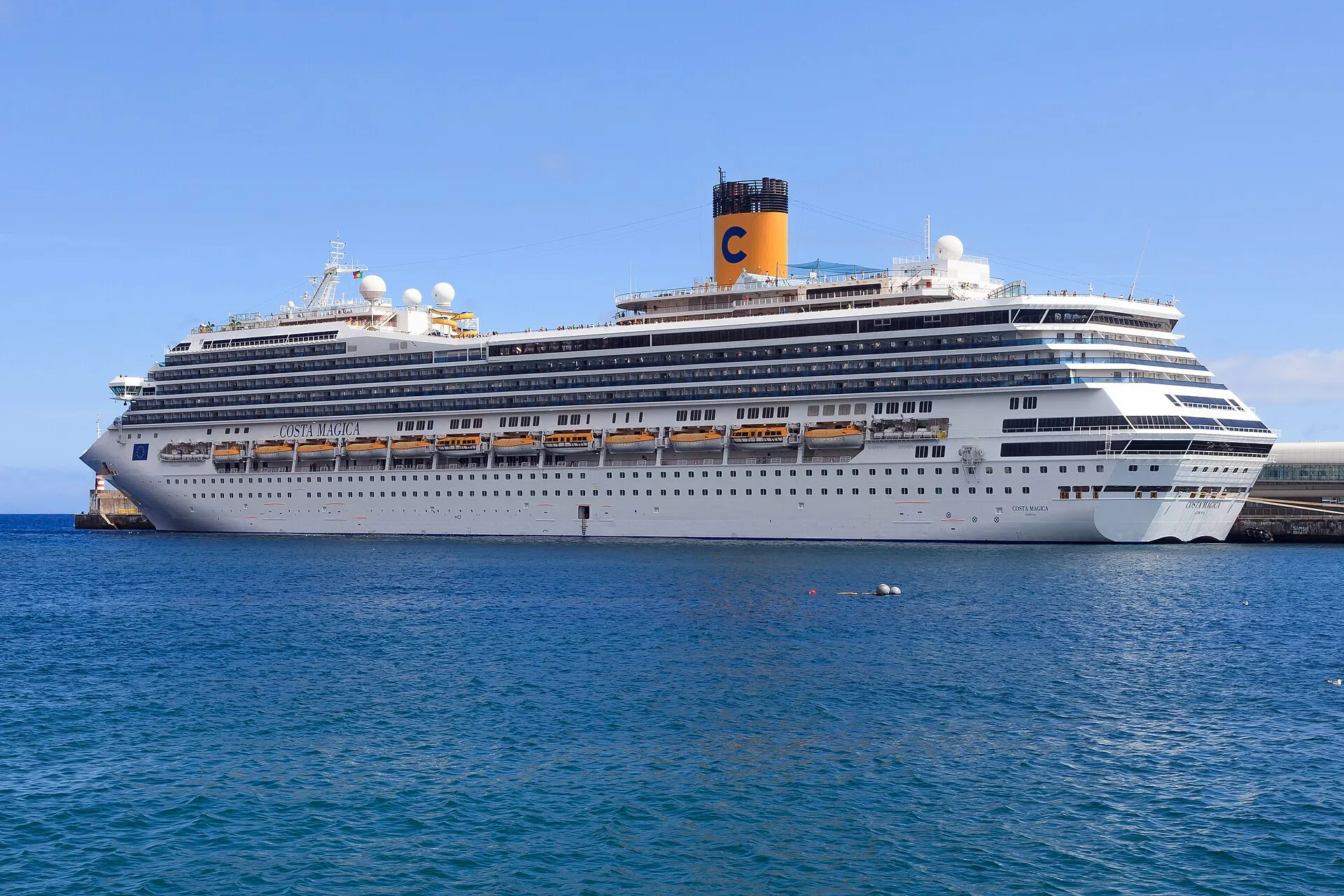
The best time to visit Madeira depends on the kind of trip you want, but spring and early autumn stand out as the most balanced seasons for hiking, gardens, and mild temperatures. Summer is better for beach and sea time, while winter stays gentle and is a good choice for travellers who prefer cooler conditions and a quieter pace.
Read article →
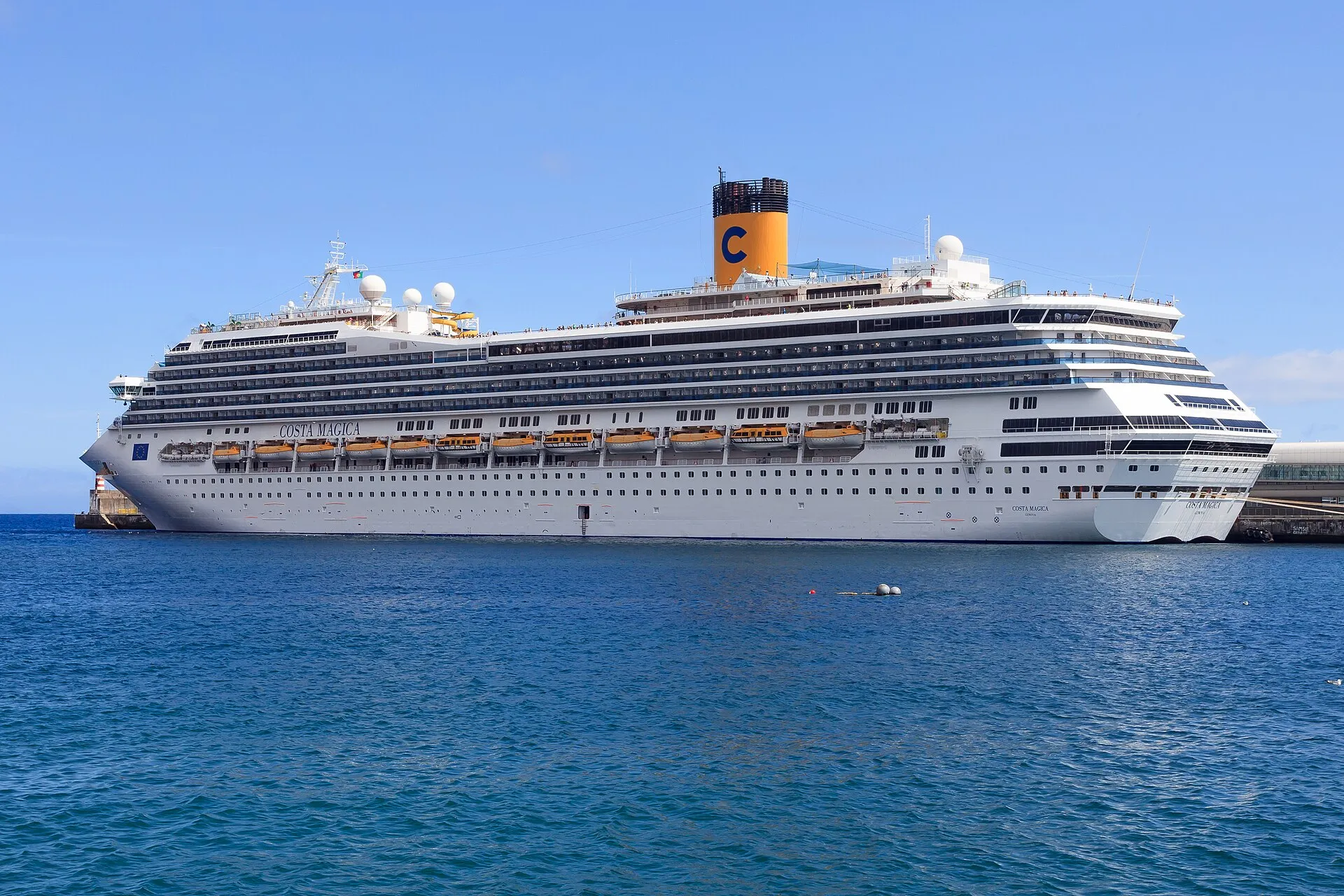
Madeira uses the euro. The island shares Portugal’s monetary framework and the euro area, so there is no separate local currency. For visitors, that means a simple payment experience: prices are shown in euros, cards are accepted in most establishments, and on qualifying purchases some visitors resident outside the European Union may be eligible for VAT refunds under the applicable rules.
Read article →