
Overview
Talking about “Lisbon to Madeira” means talking about one of the most important links between mainland Portugal and the autonomous region. In practical terms, travellers heading from the capital to Madeira almost always do so by air, because the region’s main airport is in Santa Cruz and serves the entire island. The route is short in flight time, but it connects two very different settings: a major European capital and an Atlantic island with a distinct identity, a strong tourism profile, and notably mountainous scenery.
The arrival point is Cristiano Ronaldo Madeira International Airport, which the official tourism board describes as the region’s main gateway in and out. From there, the journey usually continues by road to Funchal, Madeira’s capital and the best-known urban, commercial and tourist centre in the archipelago. Alongside the airport, the Port of Funchal is the region’s other major gateway, especially for cruise passengers.
Where Madeira is located
Madeira is part of an Atlantic archipelago that also includes Porto Santo, the Desertas and the Selvagens. Madeira Island is the largest island in the group and the main reference point when people speak about the destination and the autonomous region. Funchal is the capital and the island’s principal centre, concentrating much of the accommodation stock, public services, cultural life and tourism-related activity.
That geography helps explain why Lisbon is such a natural departure point for many journeys. Lisbon is Portugal’s largest urban and airport hub, and its airport concentrates a large share of the domestic and international links that feed traffic to Madeira. For travellers starting on the mainland, the combination of Lisbon’s air network and Madeira’s Atlantic position makes this the most direct and familiar route.
The departure airport in Lisbon
In Lisbon, the main airport is Humberto Delgado Airport, located in Portela de Sacavém, about 7 km from the centre of the capital. ANA describes it as Portugal’s largest airport in passenger numbers and traffic volume, and one of Europe’s most important airport hubs. In practical terms, that makes it the main concentration point for travellers departing from Lisbon, whether they are flying domestically or connecting onward to international destinations.
For a trip to Madeira, that central role matters. A traveller can leave the capital and reach the island on a relatively short air service without needing multiple connections. That is why so many travel searches begin in Lisbon: the city is not only the national capital, but also the main departure node for a quick journey to the archipelago.
Arrival in Madeira: Santa Cruz and Funchal
The Madeira airport is not in Funchal, but in Santa Cruz. That location matters because the airport serves the island from an infrastructure positioned outside the main urban centre, even though the distance to the capital is small. According to ANA, the airport is around 16 km from Funchal. In practical terms, landing in Madeira is only the first stage of the trip; after the flight comes the overland transfer to accommodation or to the city centre.
This is useful to keep in mind when planning a journey. Travellers arriving from Lisbon land on an island and quickly move from the airport environment into the road network that connects Santa Cruz with Funchal and the rest of Madeira. The result is a short transition from flight to island experience, which is one reason the trip feels straightforward in logistical terms.
Travel time and ease of access
According to Madeira’s official tourism information, the journey from Lisbon takes about 90 minutes. That is a short flight by European standards, and it helps explain why the route is popular with visitors looking for a short break, a longer stay, or a holiday at any time of year. The brief flight time also contributes to Madeira’s image as a destination that is relatively easy to reach from mainland Portugal.
Accessibility is strengthened by the fact that Madeira has an international airport fully integrated into Portugal’s airport network. Even though it is an Atlantic island, the journey does not require complicated logistics: travellers simply fly to Santa Cruz and then continue by road to Funchal or elsewhere on the island. For many visitors, that combination is the most efficient way to reach the destination.
The role of the Port of Funchal
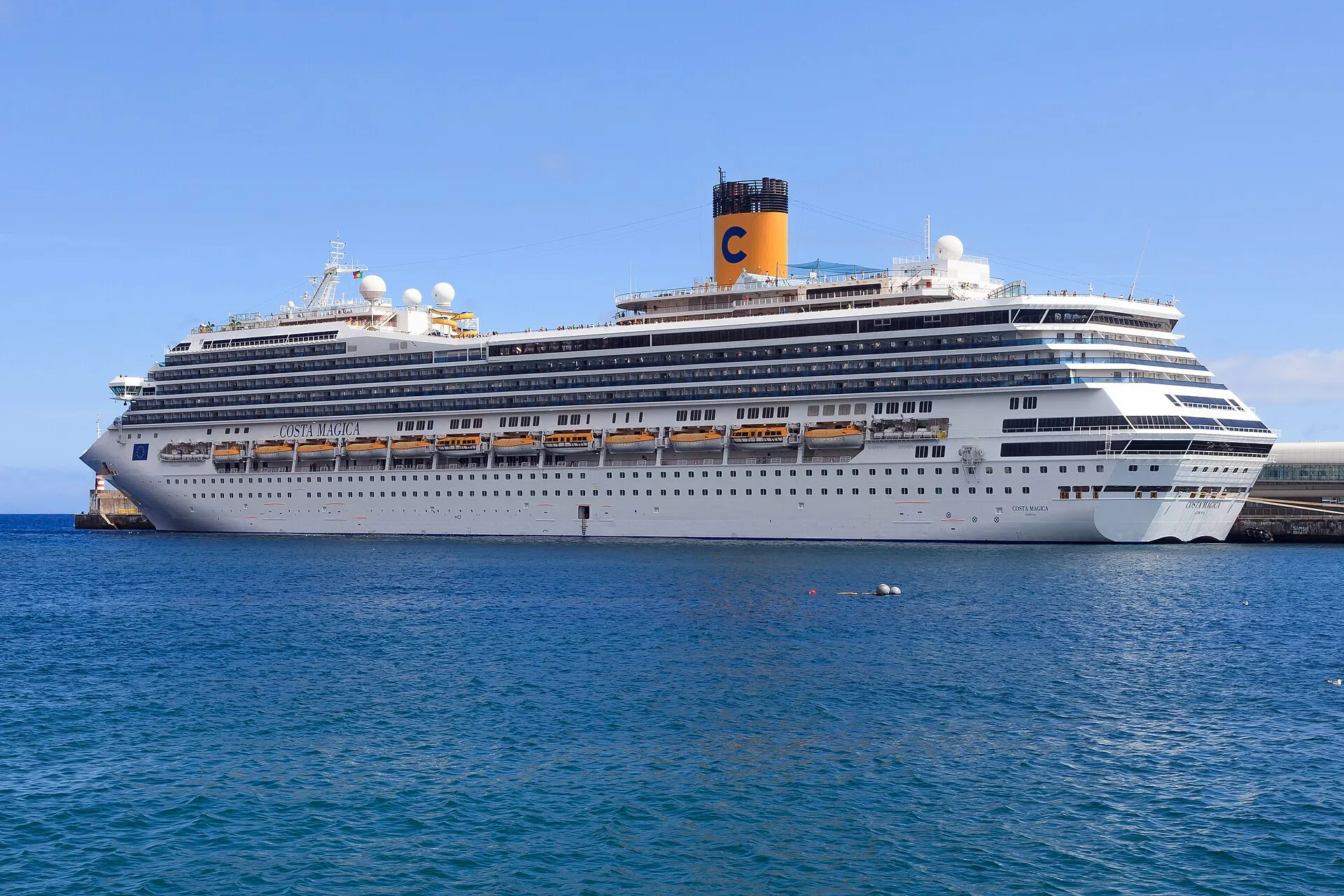
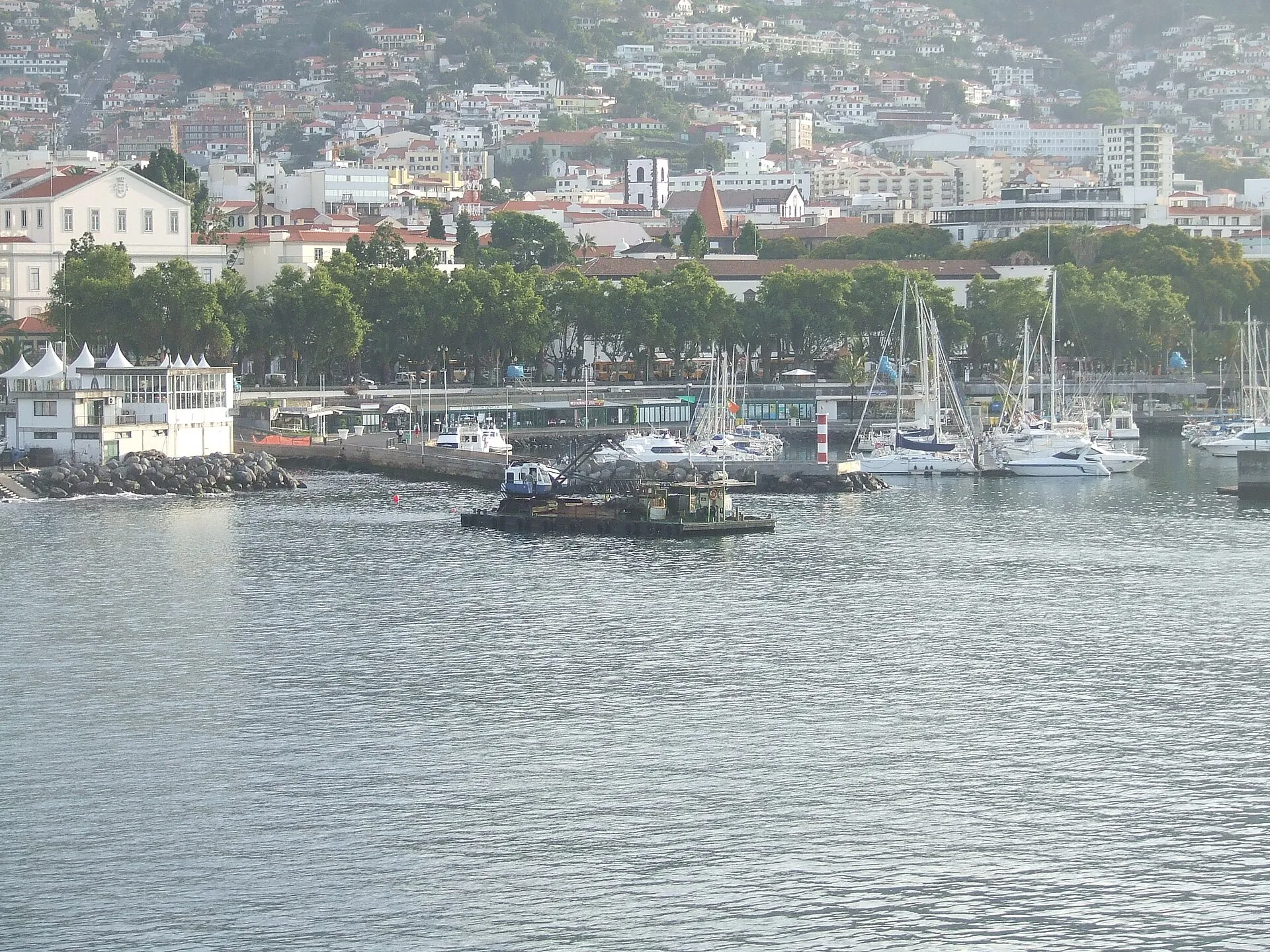
Although air travel is the dominant way to reach Madeira from Lisbon, the region also has a second major gateway: the Port of Funchal. Madeira’s tourism board identifies it as one of the archipelago’s two principal access points. Its importance is mainly tied to cruise traffic, since it receives international ships and offers a direct arrival into the centre of the regional capital.
That proximity to the city centre is one of the port’s defining features. Funchal enjoys privileged access to the heart of the city, which makes sea arrival especially useful for short visits and cruise itineraries. Even so, for anyone starting in Lisbon and wanting the most direct route, flying remains by far the most practical option.
Funchal as the arrival destination
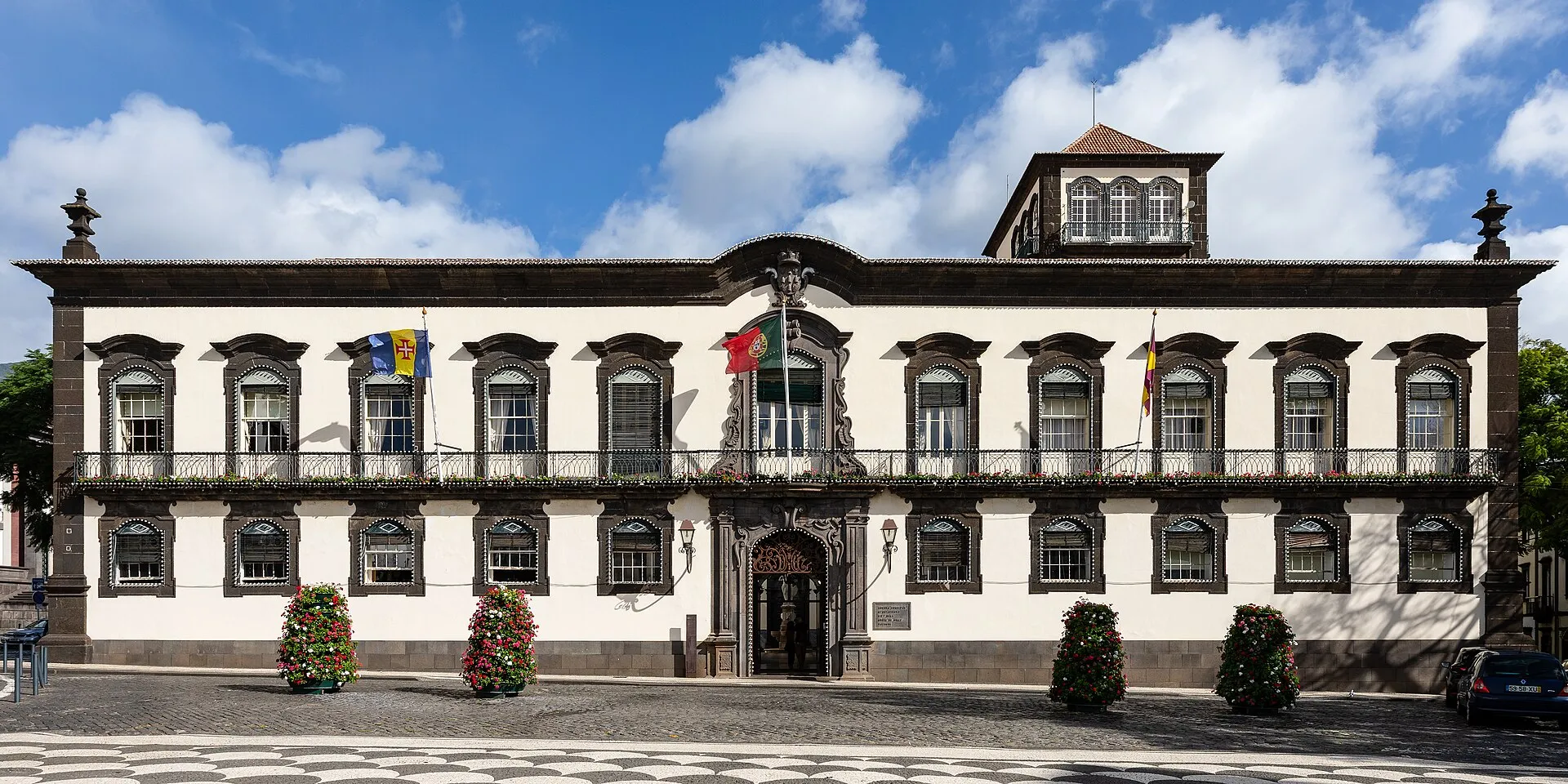
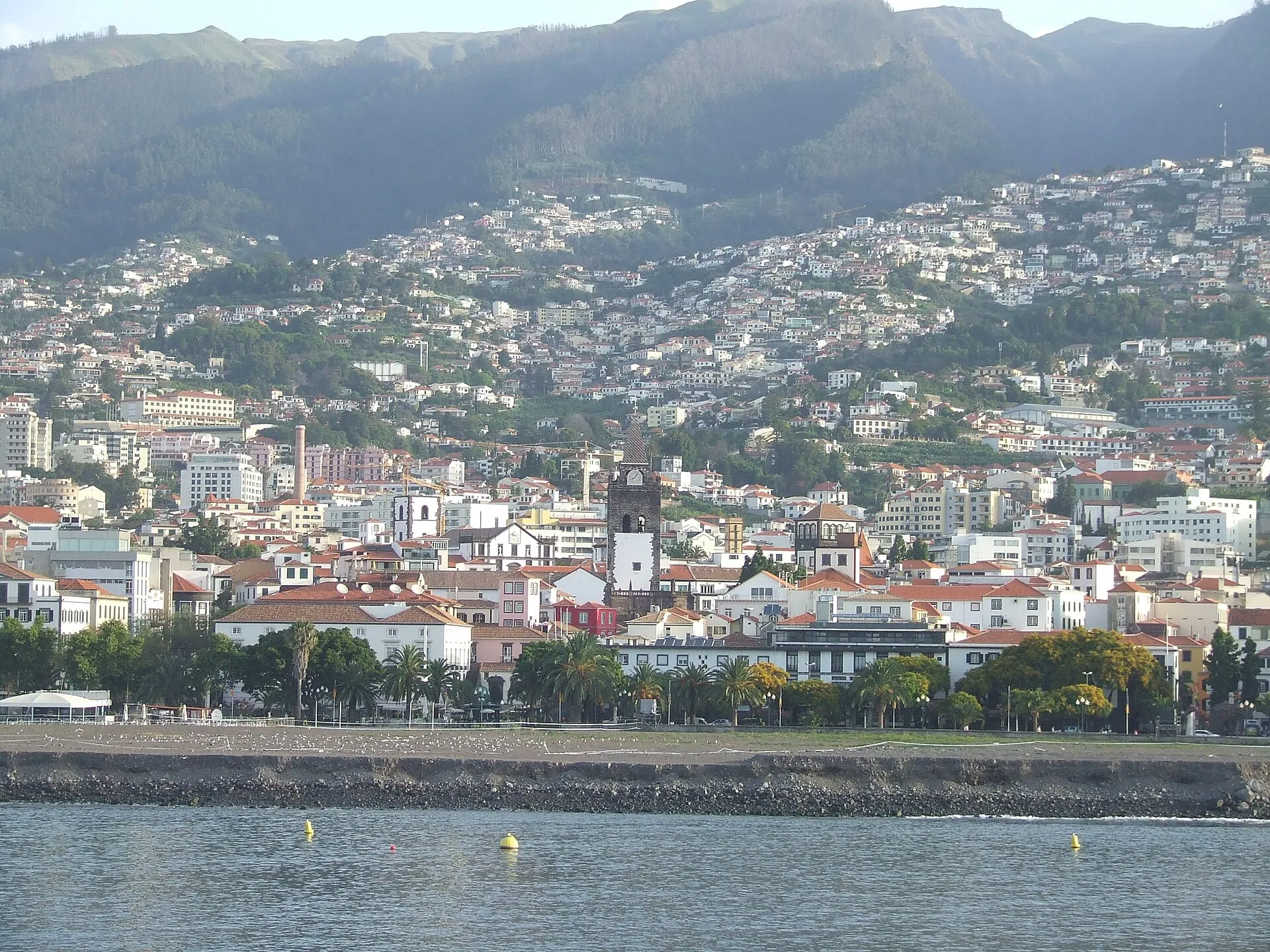
A Lisbon–Madeira trip does not really end at the airport; it ends in Funchal or elsewhere on the island, depending on the traveller’s plans. Funchal is the main centre of Madeiran life and a city with strong tourism, commercial and cultural importance. It is also where many visitors choose to stay, because of the concentration of services, museums, restaurants, gardens, marinas and activities.
The municipality is also presented by Madeira’s tourism board as the gateway for those arriving by plane. That means the first impression combines the experience of an island airport with the descent into a city set between the sea and the mountains. In travel terms, this transition is one reason Madeira feels distinctive even for travellers leaving from a major capital in the same country.
When to travel
Madeira is officially presented as a destination with a subtropical climate and striking natural landscapes, which helps explain why the Lisbon–Madeira route is used throughout the year. It is not tied to a single season. There is demand for summer holidays, spring breaks, winter travel and trips timed around regional events in Funchal.
Among the best-known moments in the Madeiran calendar are Carnival, the Flower Festival, the Atlantic Festival, the Wine Festival and the Christmas and New Year celebrations. These events do not change how you get to the island, but they do influence the travel experience and the choice of dates. For travellers departing from Lisbon, the short flight makes it relatively easy to align the trip with whichever season or event matters most.
Lisbon and Madeira in the same mobility corridor
In practical terms, Lisbon and Madeira are linked by a mobility corridor that joins mainland Portugal’s leading city with the main island of a Portuguese archipelago. That relationship is more than symbolic: it is a structural link for tourism, for resident travel and for the region’s everyday functioning. Because Lisbon concentrates much of Portugal’s air supply, the trip is especially easy for people coming from the mainland or connecting from elsewhere in the transport network.
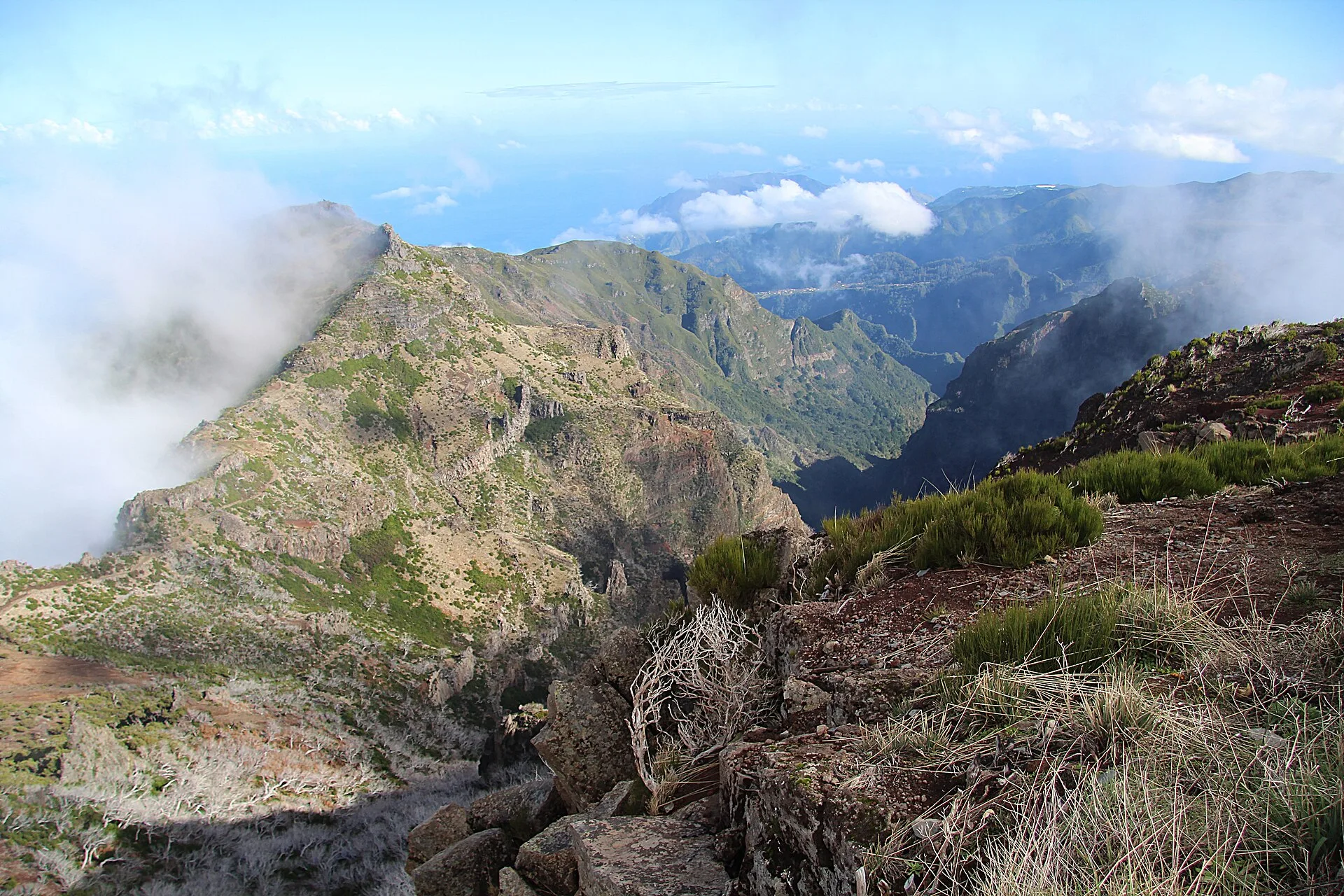
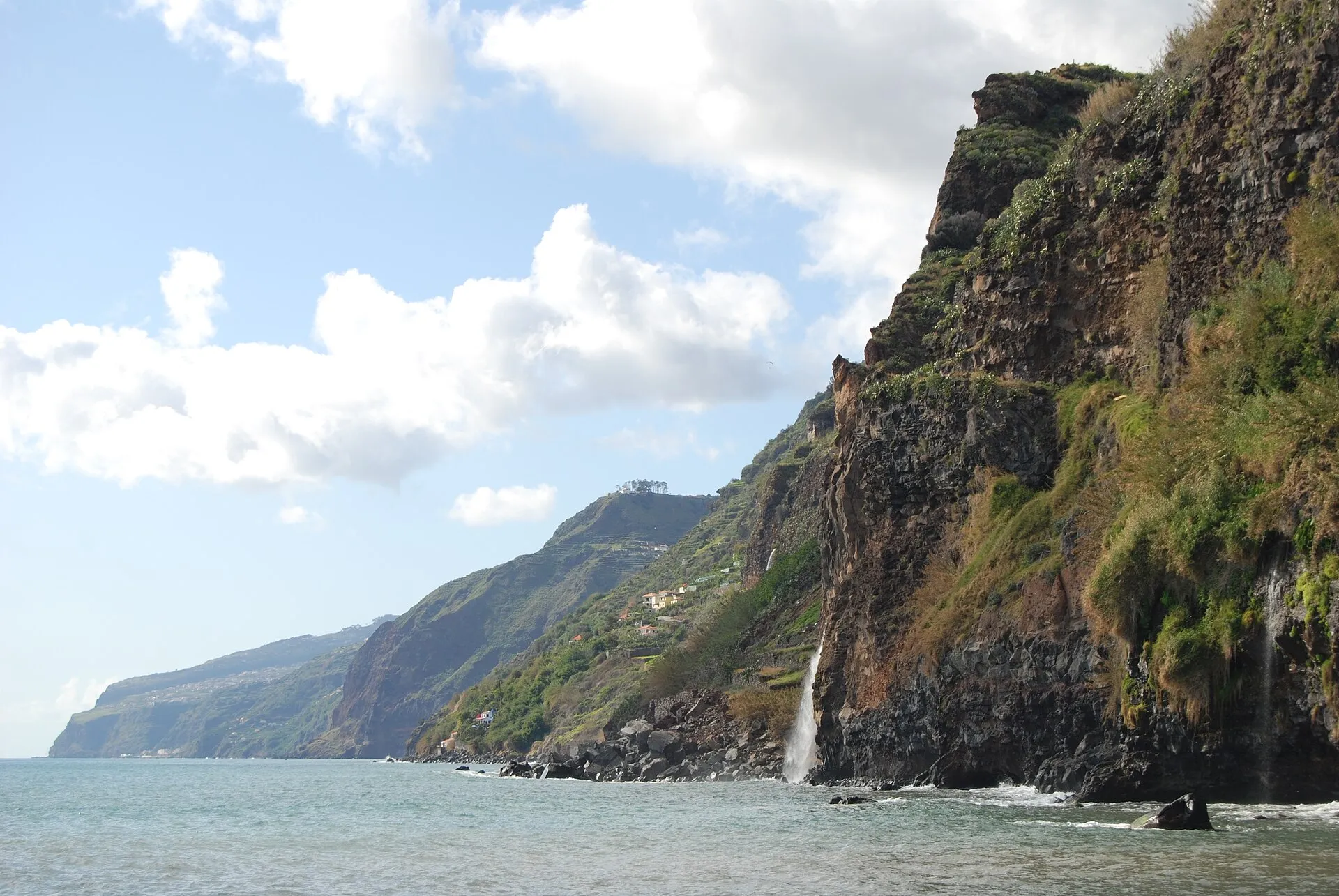
At the same time, the route highlights the contrast between two places within the same country. Lisbon offers metropolitan scale, urban density and airport centrality; Madeira offers Atlantic island character, steep terrain and a destination with a strong identity of its own. That contrast is what makes the Lisbon–Madeira route one of the most recognisable and useful for anyone planning a visit to the region.
Practical summary of the route
If the goal is to get from Lisbon to Madeira, the most direct answer is simple: fly to Cristiano Ronaldo Madeira International Airport in Santa Cruz, then continue by road to Funchal or another part of the island. The flight takes about 90 minutes, the airport is around 16 km from the regional capital, and the Port of Funchal complements the region’s access system for travellers arriving by sea. Together, these elements make the Lisbon–Madeira connection one of the clearest and most functional routes between mainland Portugal and island Atlantic Portugal.