
Overview
People searching for “weather Funchal Portugal” are usually looking for a practical way to understand the climate of Madeira’s capital. That makes sense, because Funchal is not only the island’s main city; it is also the clearest reference point for understanding weather at sea level in Madeira, in an urban setting that is tightly connected to the Atlantic and to the island’s daily meteorological experience.
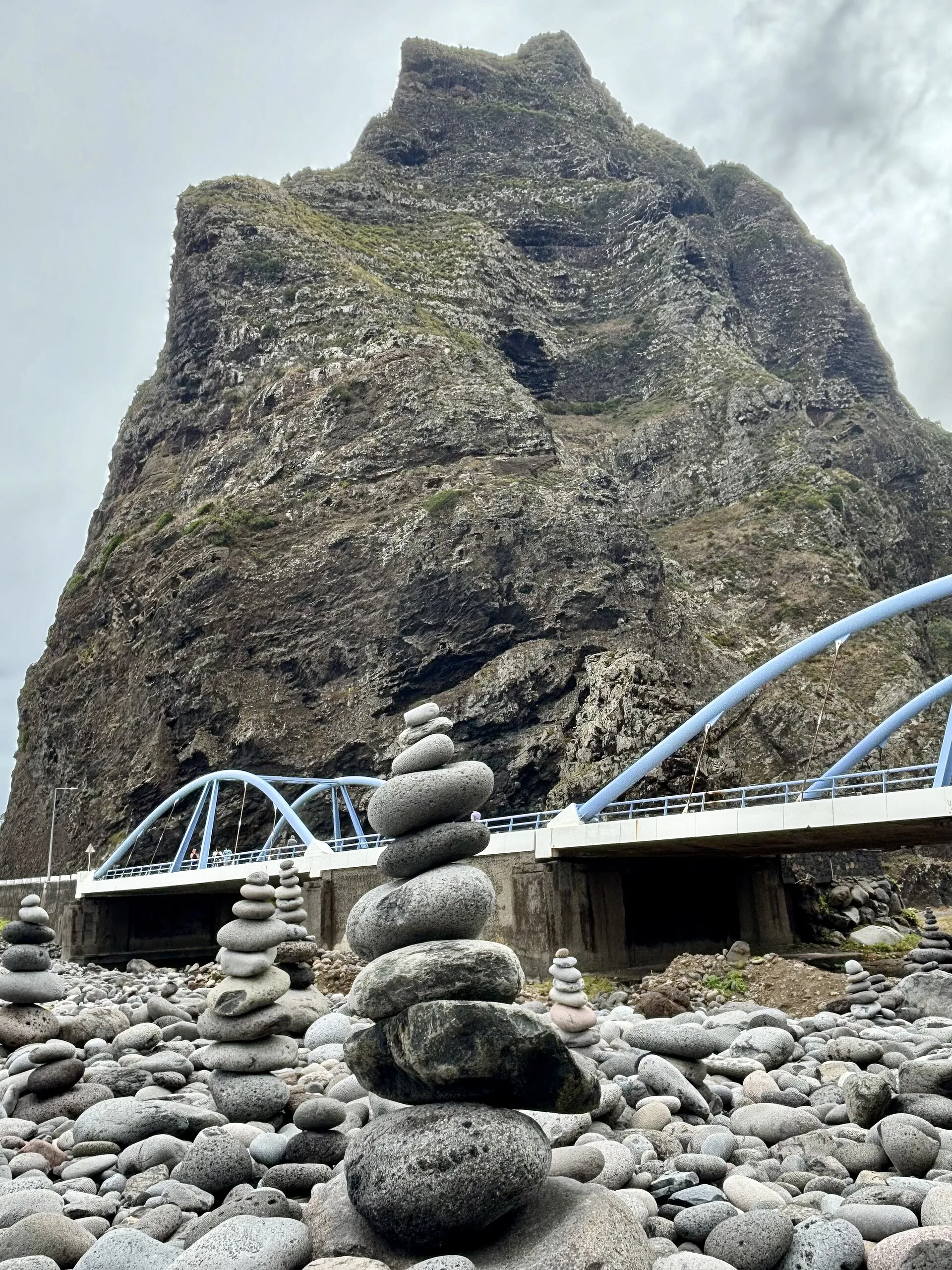
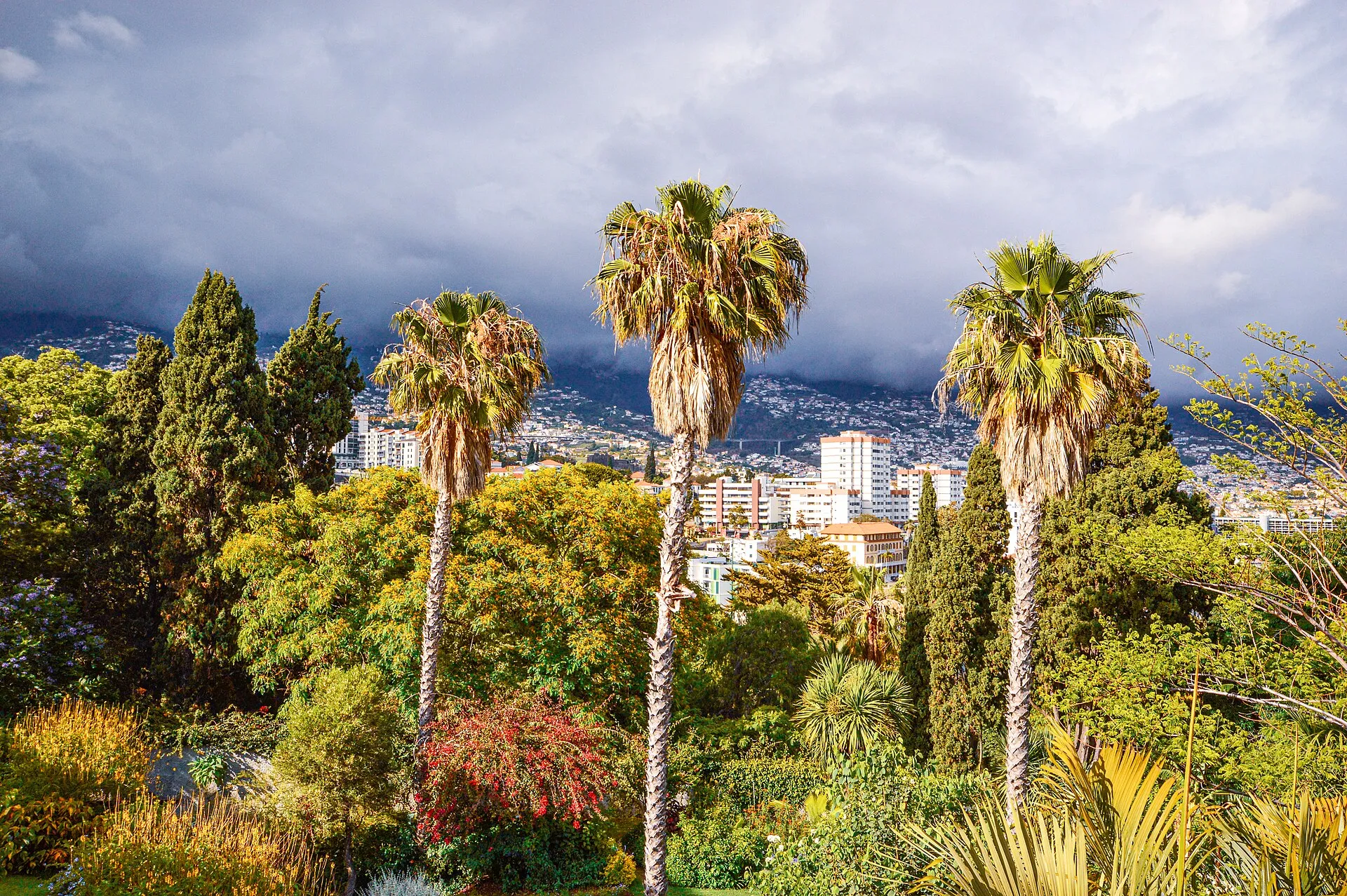
Madeira is a Portuguese archipelago of volcanic origin in the North Atlantic. It should not be read as a flat or uniform territory, but as a group of islands in which relief, ocean exposure, and altitude strongly shape local weather. Institutional descriptions of the island and its capital emphasise this contrast: Funchal sits on the south side of the island, in a large natural amphitheatre facing a bay open to the Atlantic, and Madeira’s south coast is marked by the constant presence of the sea, urban areas, cultivated fields, and stretches of protected nature.
Where Madeira is and why it stands out
Britannica describes Madeira as a volcanic archipelago in the North Atlantic Ocean belonging to Portugal, made up of two inhabited islands — Madeira and Porto Santo — and two uninhabited groups, the Desertas and the Selvagens. It also notes that the islands are the tops of mountains whose bases lie on the abyssal ocean floor, and that Funchal is the regional capital on Madeira Island. This territorial structure helps explain why weather can vary so much across a relatively small space: there are coastal zones, steep valleys, abrupt slopes, and areas at much higher elevations than the shoreline.
That geography is not just scenic; it is fundamental to weather interpretation. In Madeira, conditions on the south coast are not automatically the same as in the mountainous interior, or as on north-facing slopes. The difference between sea level and the mountains is especially important on a small island, because altitude changes quickly, and with it temperature, cloud cover, and the likelihood of rain. The shape of the island is therefore the first key to understanding weather in Funchal and beyond.
Funchal as the climate reference point
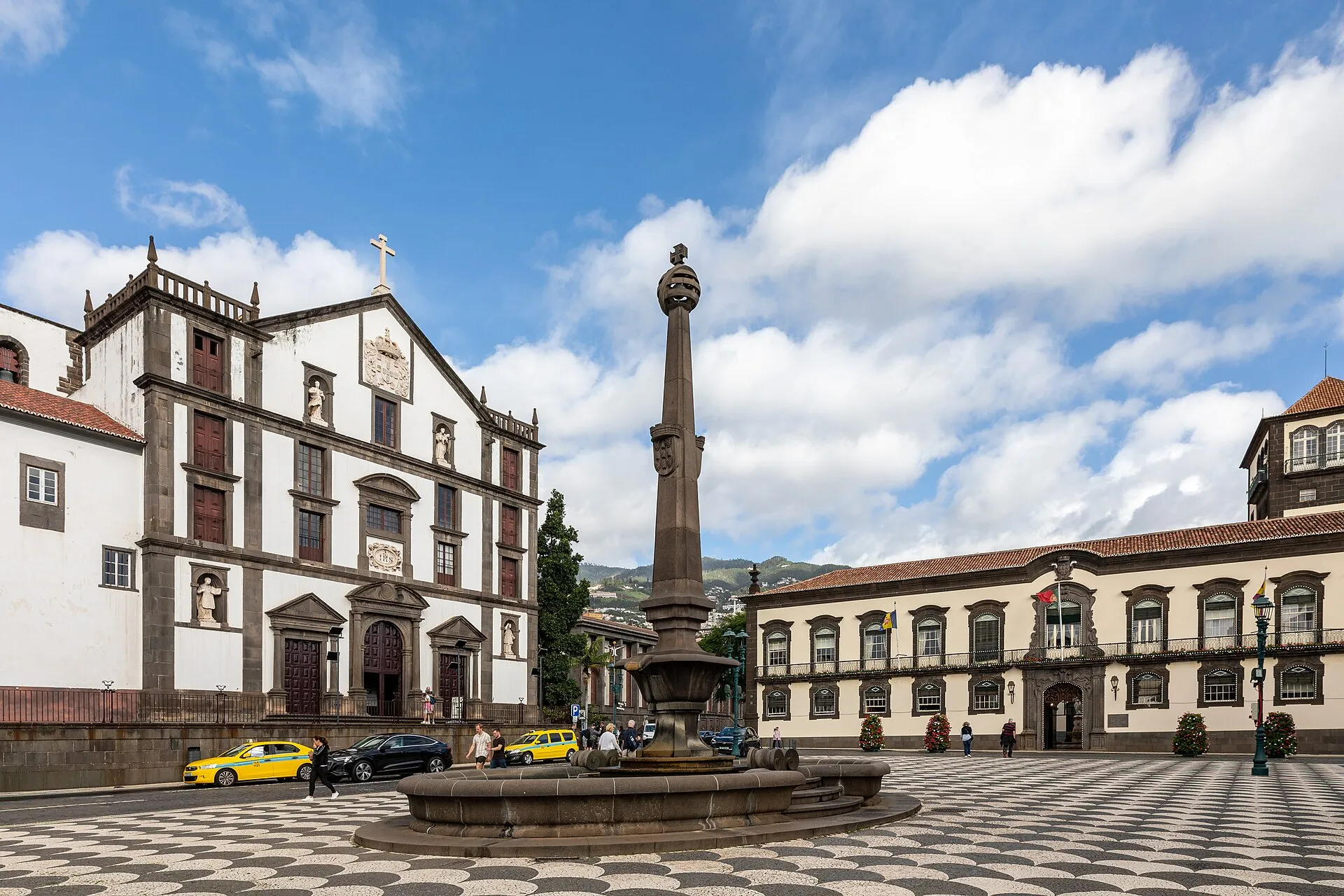
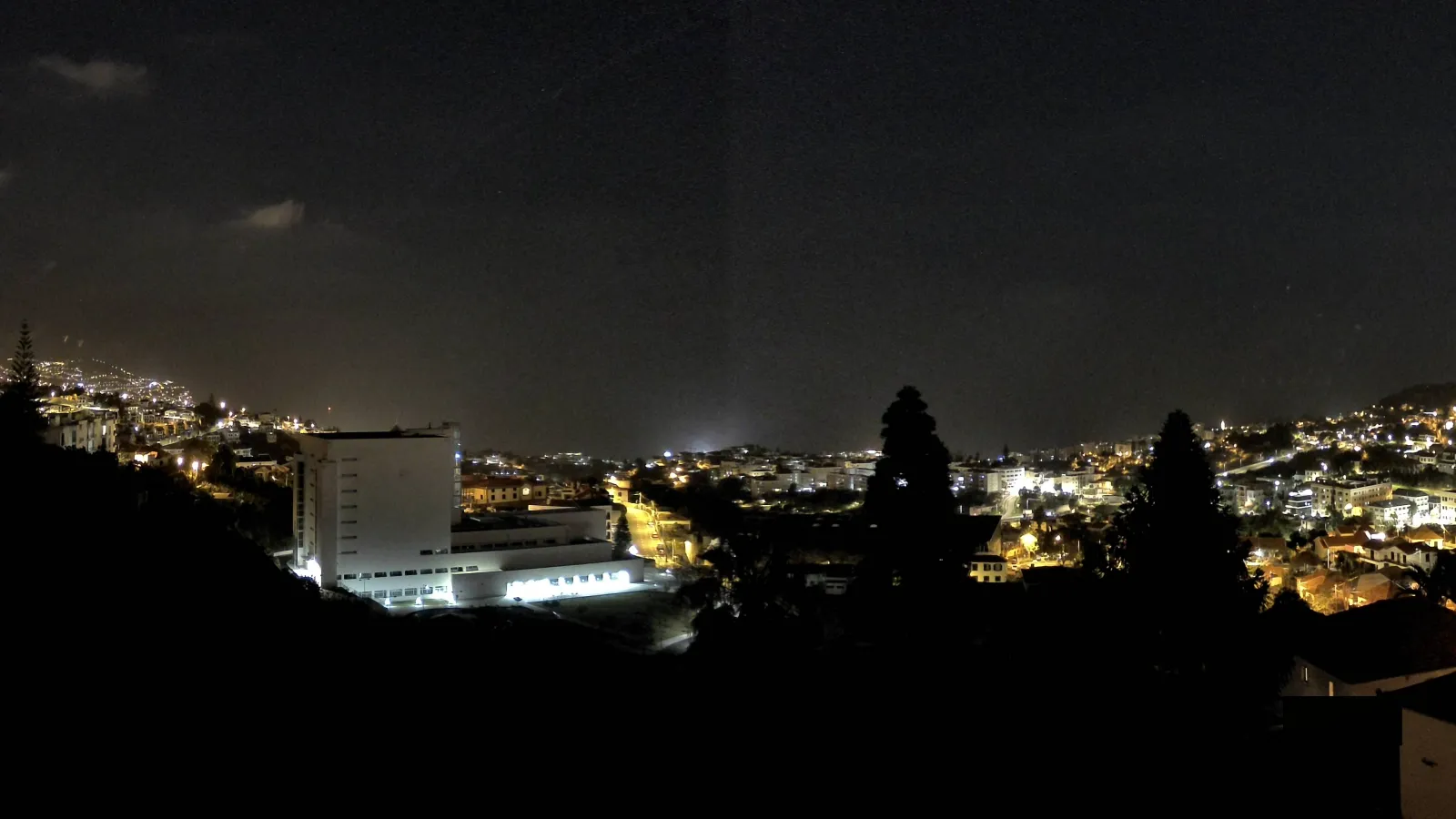
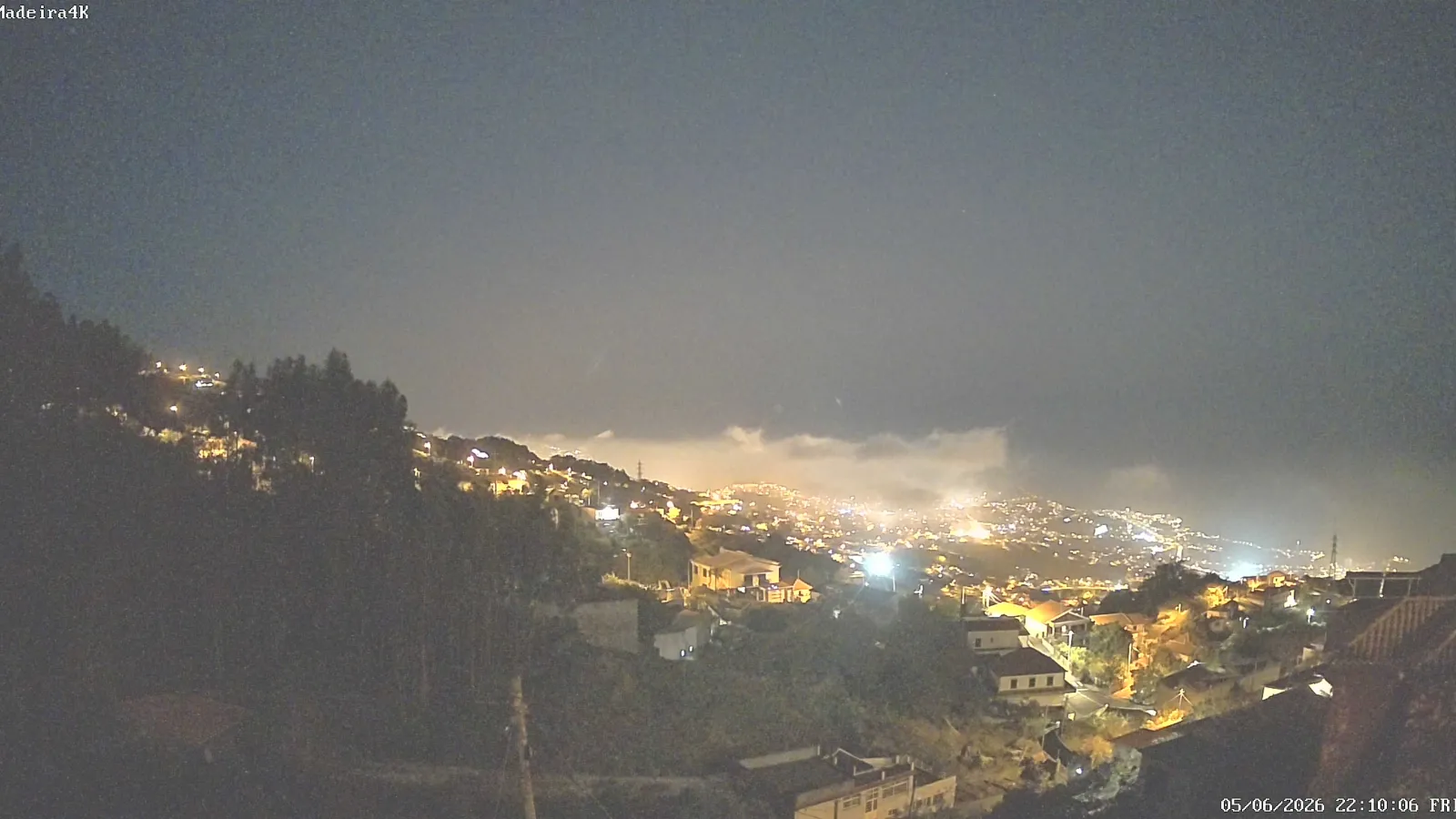
Funchal is on the south coast, in a bay facing the Atlantic, and it is the archipelago’s leading tourist, commercial, and cultural centre. Visit Madeira describes the city as spreading across a large natural amphitheatre, which helps explain how climate is experienced there: it is not simply a town beside the sea, but a city that climbs the hillside, with altitude changing quickly as you move inland. For residents and visitors alike, that means conditions on the waterfront are not always the same as in the higher neighbourhoods.
IPMA provides 1991–2020 climate normals for Funchal for station 522, located at 58 metres above sea level. Those data are the most reliable basis for describing the local climate in a comparable, systematic way. The existence of a low-altitude reference station is particularly relevant for “weather Funchal Portugal,” because it reflects the urban and coastal climate that most people want to know when they look up the weather for the city.
Temperatures through the year
According to IPMA, Funchal’s annual mean temperature is 20.0 °C. The annual mean maximum is 22.9 °C and the annual mean minimum is 17.0 °C. By month, the warmest values usually appear in August and September, with mean temperatures of 23.7 °C and 23.5 °C, while January and February are the coolest months, at 17.1 °C and 16.8 °C. The seasonal range exists, but it is moderate, which confirms the image of a mild climate that stays fairly steady throughout the year at sea level.
Those numbers should not be overread. Funchal is not a tropical climate in the strictest sense, nor is it a place that swings between severe seasons. What the normals show is something more specific: gentle temperatures, a relatively small annual range by continental standards, and no harsh winter at city level. In practical terms, that helps explain why Funchal is often experienced as a comfortable city for urban walks, seafront time, and outdoor activity for much of the year. That is a reasonable inference from the data, but it should never replace a daily forecast or a check of local conditions.
IPMA also records an annual average of 104.1 days in Funchal with a daily maximum temperature of at least 25 °C, and 71.4 tropical nights, meaning nights when the minimum temperature is at least 20 °C. At the same time, the climatological series used by IPMA shows no frost days. Taken together, these indicators support the idea of a city where warmth is present but usually moderate and seasonal, while severe cold is effectively absent from the climate baseline.
Rainfall, a relative dry season, and year-to-year variability
Precipitation in Funchal also follows a clear pattern. IPMA gives an annual average precipitation of 574.3 mm. The key point is not just the annual total, but how it is distributed: summer months are very dry compared with autumn and winter, while totals rise in the wetter months. In July and August, for example, monthly averages drop to 1.7 mm and 1.3 mm, which are extremely low values. The wetter part of the year brings much higher totals.
In practice, that means summer is generally the best season if you want to maximise the chance of dry days in the city and along the south coast. Even so, a “dry season” does not mean no rain at all, because Madeira remains exposed to Atlantic weather systems that can change the picture quickly. The right way to read the statistics is as a tendency, not a promise. Funchal benefits from a relatively dry summer, but it still has to be understood within the island’s broader weather variability.
Why the weather changes so much across Madeira
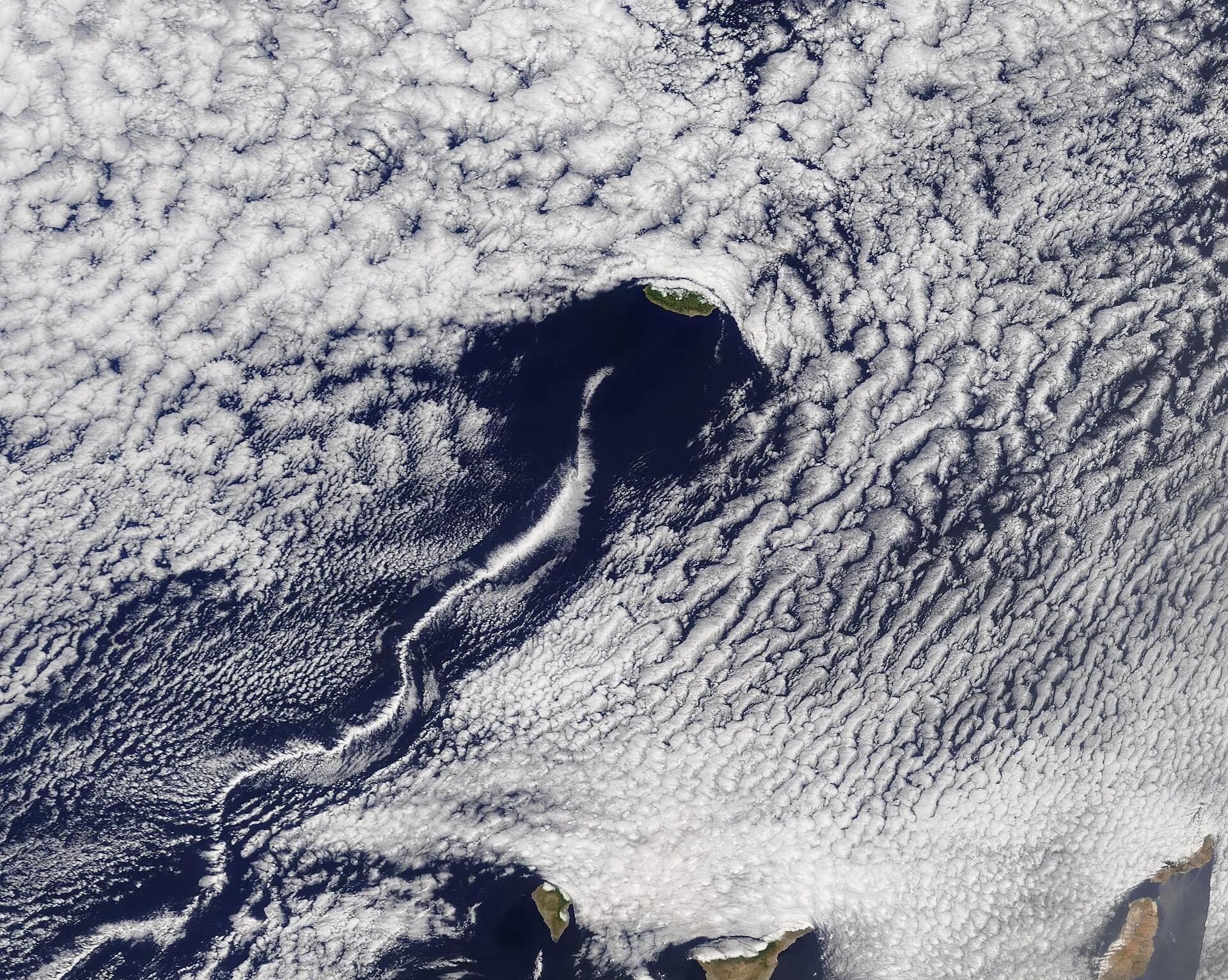
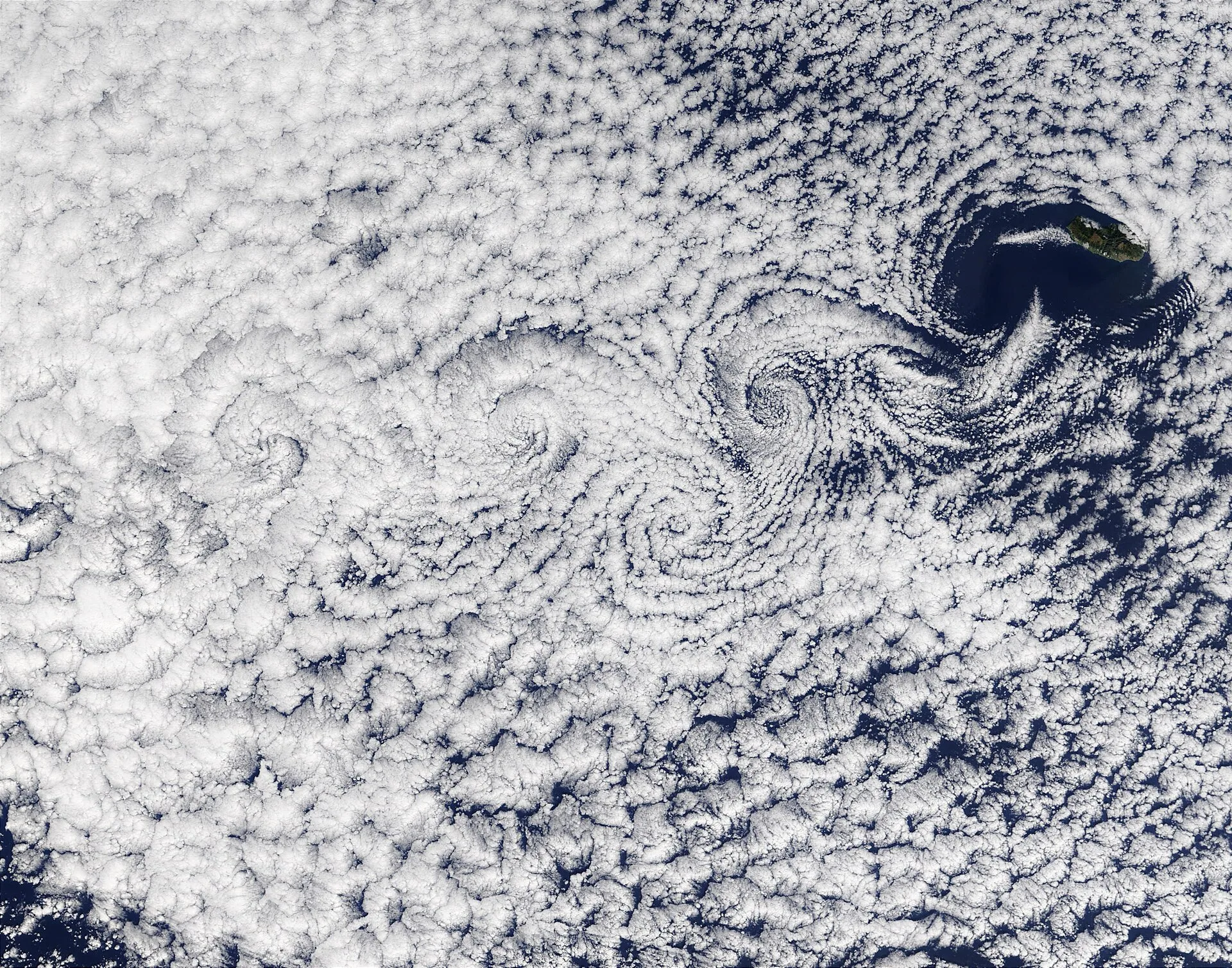
One of the most important ideas about Madeira is that it should not be treated as a single weather box. Its mountainous relief creates contrasts between coast and upland areas, and the mountains shape airflow in ways that affect cloud, wind, and rain. The practical result is straightforward: one part of the island can be bright and calm while another is cloudy or wet. The way IPMA and Visit Madeira organise information around different points such as Funchal and Pico do Areeiro shows why local weather reading matters on the archipelago.
This variety matters especially when planning a day that combines different kinds of activity. A city walk may happen under clear skies and mild temperatures, while a trip into the higher areas can encounter stronger winds, cooler air, and different visibility. Rather than thinking of Madeira as simply “good weather” or “bad weather,” it is more accurate to see it as a mosaic of microclimates and local conditions. That is particularly visible in the relationship between Funchal, the nearby mountains, and the routes that connect the coast to the interior.
How to read weather in Funchal
To interpret weather in Funchal, it helps to separate three levels. The first is the climate average, which IPMA describes through the climatological normal and which shows mild temperatures and moderate precipitation across the year. The second is the weather on a given day, which can differ a great deal from the average because Atlantic conditions are variable. The third is the altitude of the exact place you plan to visit: the seafront, the hillside city centre, gardens partway up the slope, and the island’s higher zones do not feel the same thermally, nor do they face the same wind and humidity.
That distinction is useful because it prevents overly general conclusions. When someone asks, “What is the weather like in Madeira?”, the most accurate answer is always contextual. Funchal is the best starting point, but it is not a complete picture of the island. The capital is where the sea, the city, and the mountain meet most visibly, which makes it a good gateway to understanding the archipelago. Even so, the island’s relief means conditions can change rapidly as you move up or down in altitude.
When to go and what to expect
If your goal is mild temperatures, Funchal offers favourable conditions for much of the year. Summer is usually drier and warmer, but without the extremes that many continental cities experience. Autumn and winter can bring more rain and greater variability, which does not make the trip less worthwhile, but does call for more careful planning of outdoor activities. In every season, the key question is whether the activity will take place by the sea, in an intermediate urban zone, or at altitude.
Visit Madeira also highlights the south coast’s almost constant sea presence, its mix of cosmopolitan places and natural landscapes, and the way towns, traditions, gardens, and mountain paths sit side by side. That description is useful for travellers because it shows that Funchal’s pleasant weather is part of a wider setting, where pebble beaches, gardens, levadas, and mountain scenery coexist. The city’s climate is therefore best understood as one piece of a broader Madeiran experience.
Conclusion
Madeira is far more than an island of pleasant weather. It is an archipelago in which shape, volcanic origin, altitude, and Atlantic exposure decisively influence local conditions. Funchal, because it lies on the south coast by the bay and spreads over a distinctive hillside cityscape, is the best place to begin understanding Madeiran weather. IPMA’s climate data show a city with mild temperatures, rainfall concentrated more strongly in the wetter months, and a dry summer relative to the rest of the year. At the same time, Madeira’s geography reminds us that weather on the island is never fully captured by a single station or a single coast.