
Overview
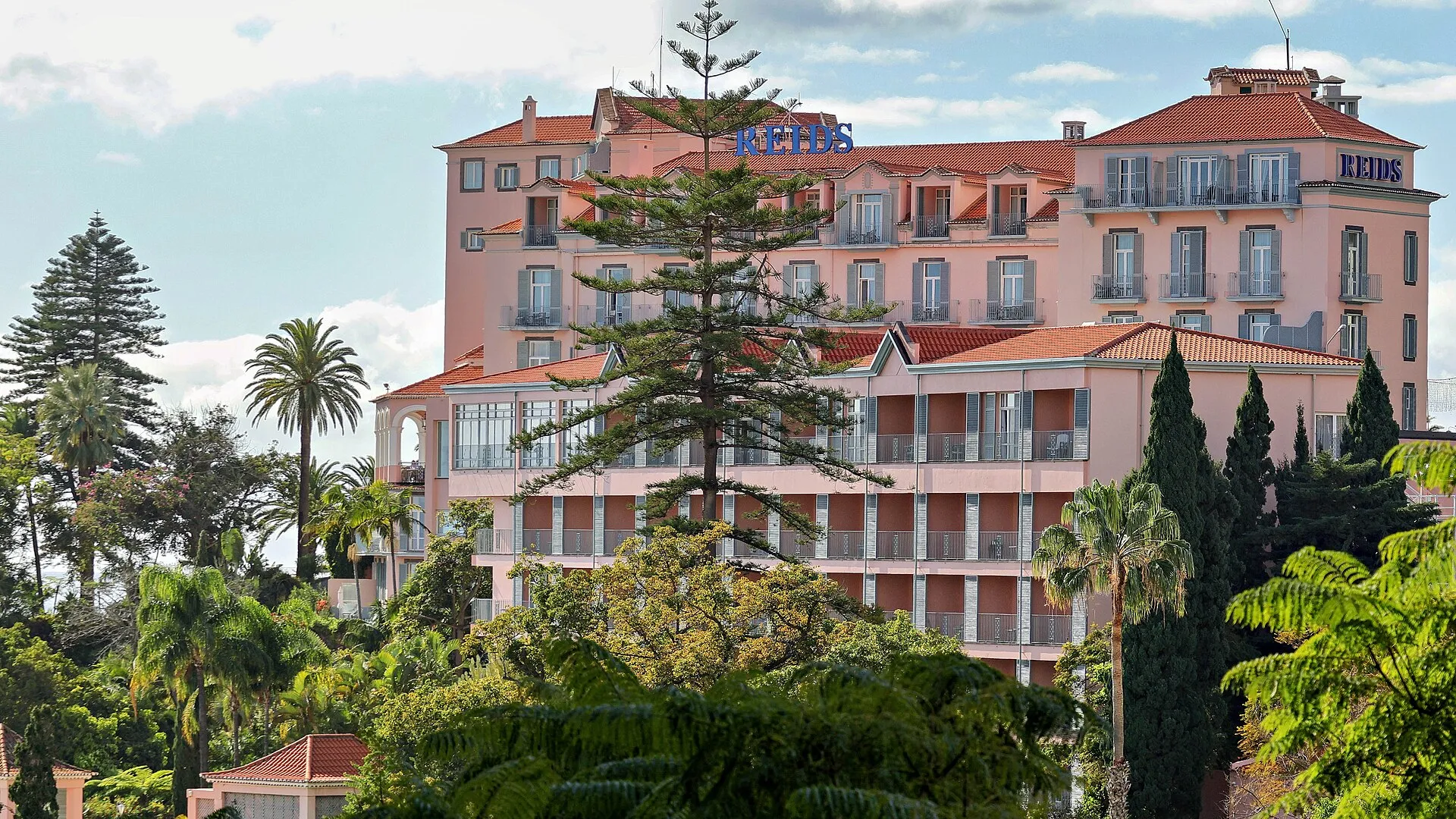
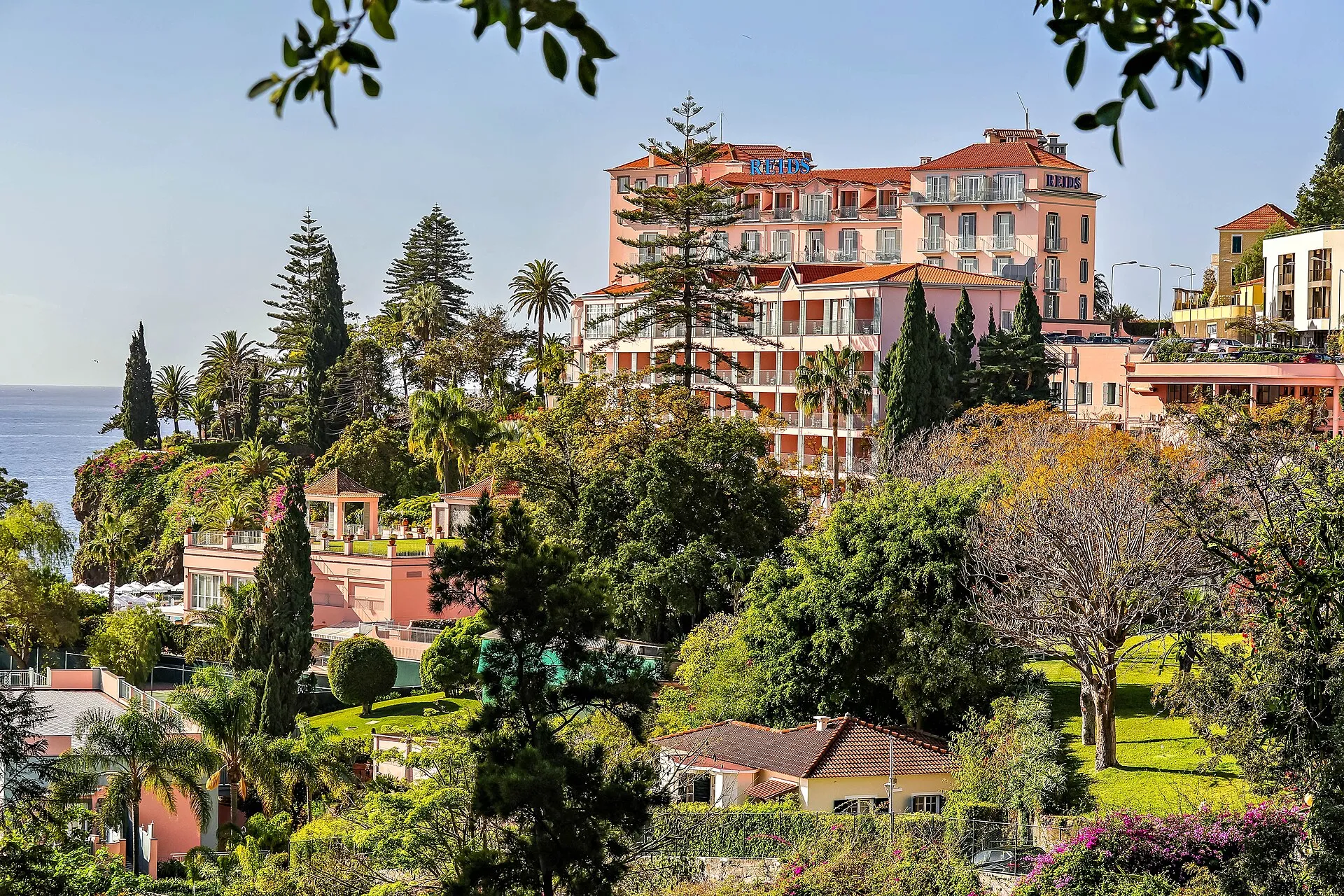
Belmond Reid’s Palace is a historic hotel in Funchal, on the island of Madeira, set on elevated ground above the coastline and surrounded by gardens facing the Atlantic. Its public identity comes from a mix of location, historical continuity, architectural presence and landscape setting. It is not only a well-known place to stay; it is also one of the most recognisable parts of Funchal’s tourism memory and one of the names most closely associated with Madeira as an Atlantic destination shaped by climate, scenery and long-stay hospitality.
In urban terms, the hotel has a very specific role. It is close enough to Funchal’s centre to remain connected to the city, yet high and set back enough to feel like a retreat. That balance between proximity and separation is central to understanding its importance. Reid’s Palace belongs to the tradition of hospitality that helped define Madeira internationally: a style of hotel rooted in mild weather, gardens, sea views and extended stays, while still remaining within reach of the capital’s cultural and commercial life.
The hotel is still in operation today, but its significance goes beyond accommodation. The building and its setting form part of the historical image of Funchal itself. For many visitors, Reid’s Palace works at once as an address, a heritage landmark and a vantage point over the bay of Funchal.
Funchal and Madeira as context
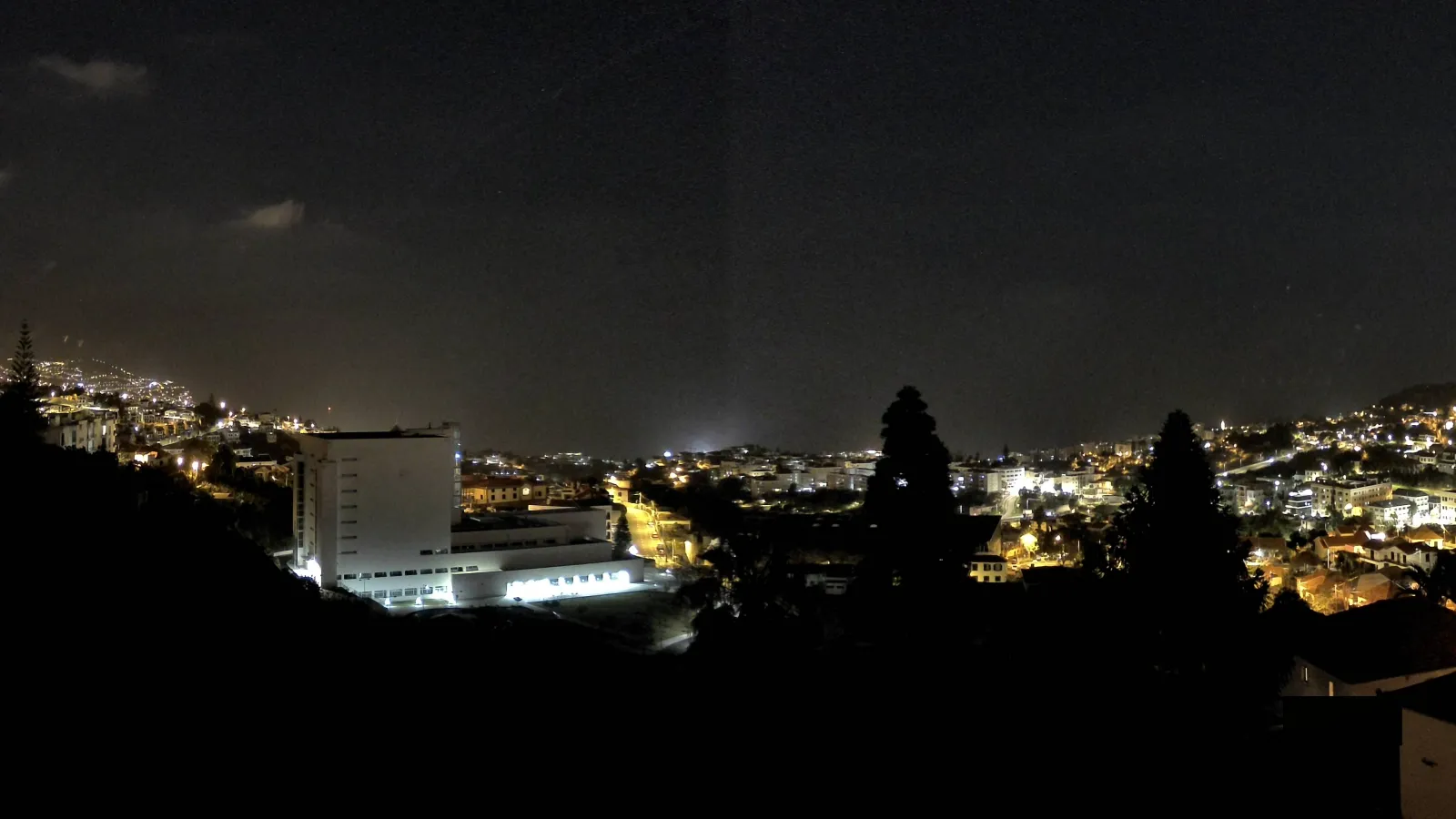
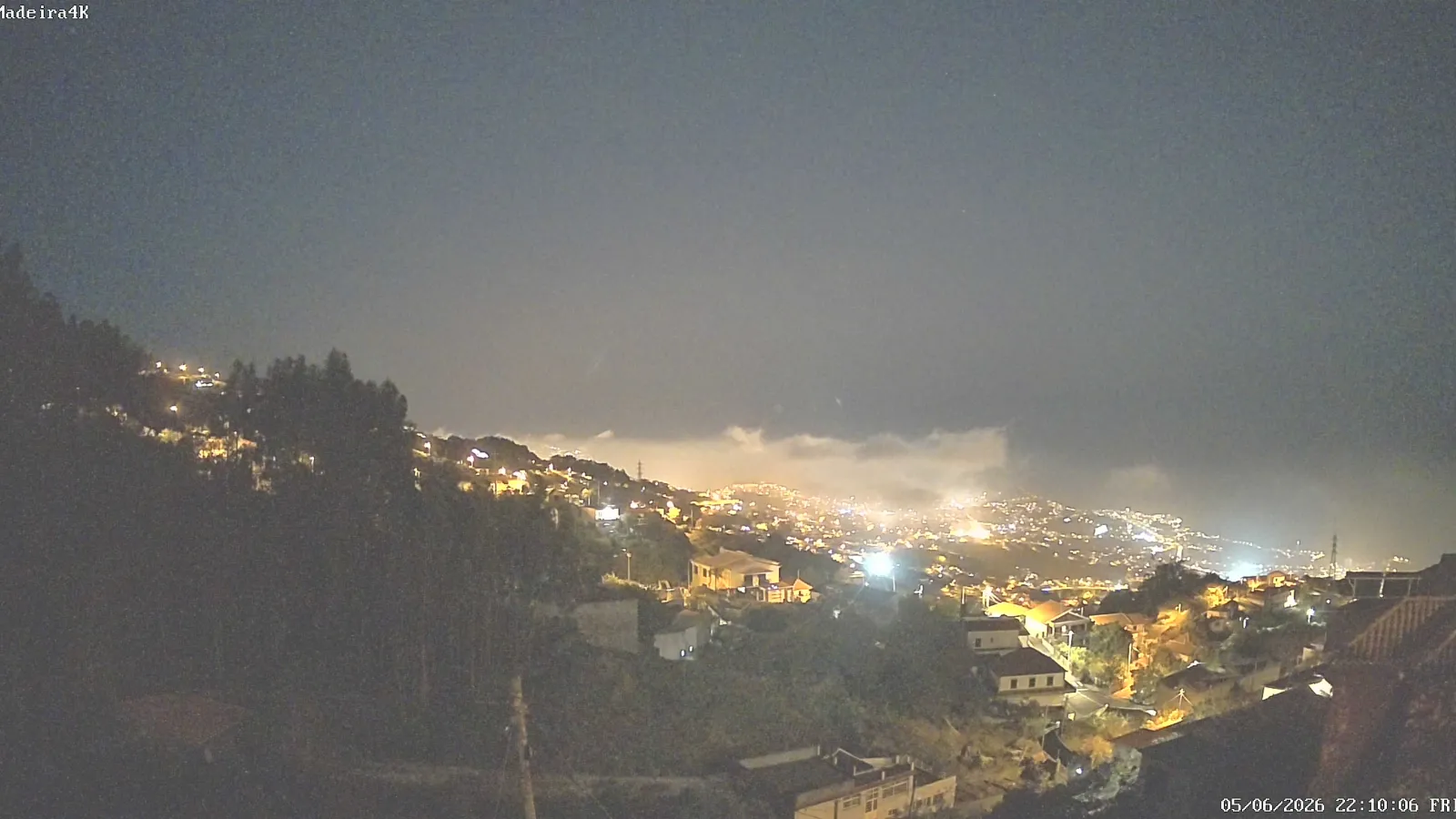
Madeira’s tourism board presents Funchal as the capital of the archipelago and as a city where urban sophistication coexists with a close relationship to nature. The city sits in a bay washed by the Atlantic, on a broad slope, and its historical development is tied to trade, navigation, culture and tourism. It is also described as Madeira’s main tourist, commercial and cultural centre. In that setting, Reid’s Palace makes sense as a hotel that brings together views, gardens and urban life rather than separating itself from the city.
The natural setting of the capital helps explain the hotel’s symbolic strength. Madeira is an island of steep terrain, wide viewpoints and a close interplay between human construction and landscape. Funchal reflects that condition on an urban scale: it has lookout points, gardens, sloping streets, a coastal edge and neighbourhoods at different heights. Reid’s Palace participates in that geography very clearly, because its elevated position allows it to overlook the coast while remaining tied to the city fabric.
This position matters culturally as well. In destinations where scenery is part of the travel experience, some hotels become condensed representations of the place itself. In Funchal, Reid’s Palace is one of those properties: it stands for gardens, sea, hospitality and historical continuity in a single image. That is why its presence in the city has tourism, urban and heritage dimensions at the same time.
Origins and early years
The hotel’s story begins with William Reid, a Scotsman who settled in Madeira and built a career in the Madeira wine trade. According to the hotel’s official history, Reid saw hospitality as an opportunity and bought land on the rocky promontory where the hotel would later rise. The first guests arrived in 1891, welcomed by William Reid’s sons after the founder’s death. That chronology is essential to understanding the hotel’s origins: it emerged at a moment when Madeira was strengthening its international reputation as a place for climate-led leisure and prolonged stays.
The late nineteenth century was a period of major change for tourism in Madeira. Maritime travel, winter escapes and long residential stays all contributed to the creation of a new hospitality model on the island. Reid’s Palace belongs to that context. It was associated from the start with comfort, privacy and panoramic views, features that would become central to Madeira’s image abroad. Its foundation coincided with the consolidation of elite tourism defined by long visits and a strong appreciation of landscape.
The hotel’s later continuity is equally revealing. It remained within the Reid family for many years, later passed to the Blandy family, long linked to Madeira wine, and Belmond took over management in 1996. This sequence shows a property that moved through different phases of stewardship without losing its identity as a major historic house. Rather than being a short-lived development, Reid’s Palace became a durable feature of Funchal’s hotel landscape.
Location and urban setting
The hotel is on Estrada Monumental in Funchal, and official Madeira tourism material identifies its address in the city. The location is highly significant: it sits in an elevated area near the seafront, with broad views and relatively easy access to the centre. The hotel’s official site states that it is 1.8 km from Funchal centre, which helps explain the balance between retreat and urban connection.
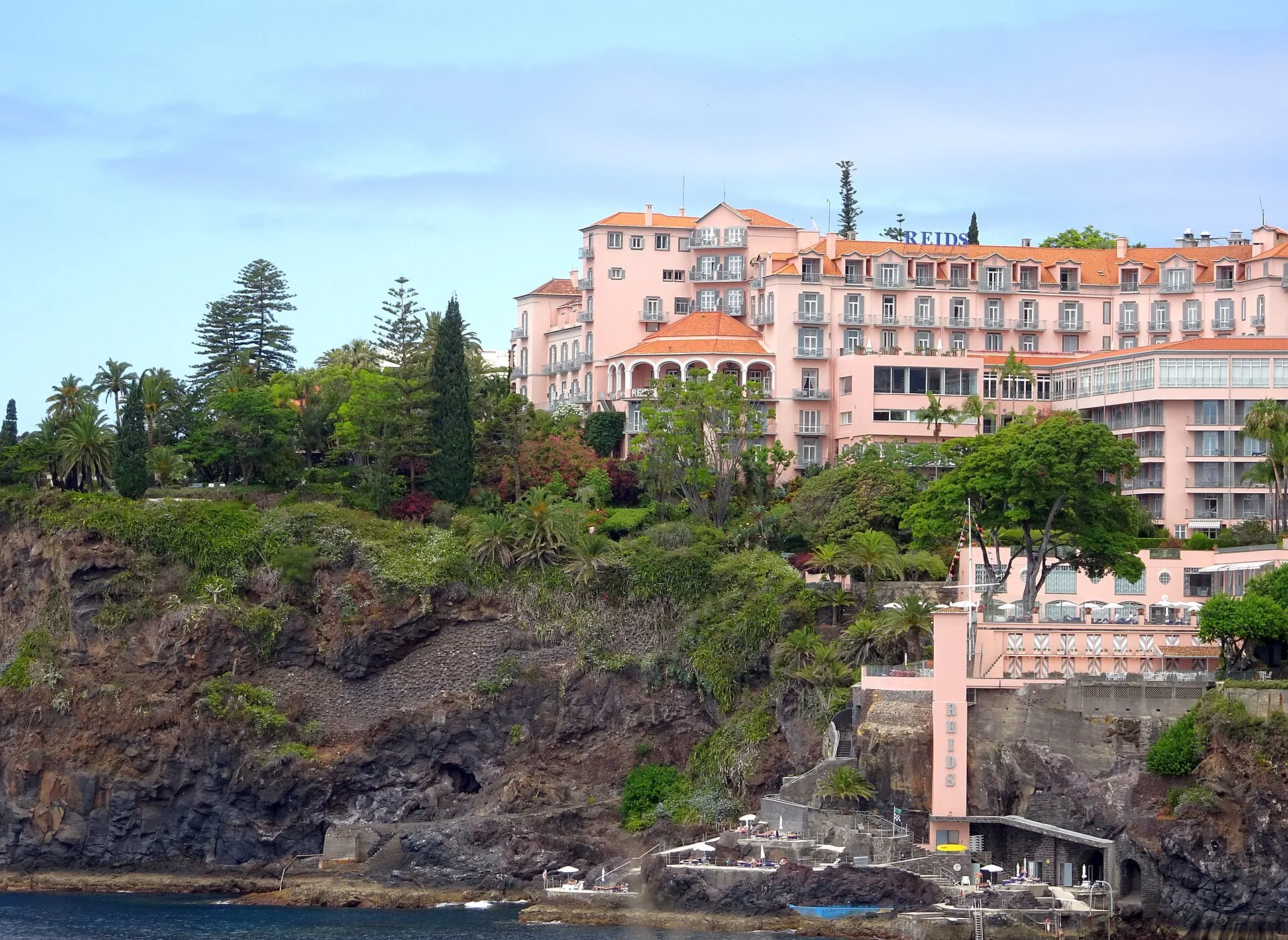
That location creates a very particular experience. The guest is inside the city, but also above it, with a wider perspective over the bay and coastline. The clifftop promontory is not just a topographic detail; it is structural to the hotel’s identity. Height, Atlantic views and gardens all belong to the same spatial composition. The hotel was not conceived as an object detached from its place, but as a building that makes direct use of Funchal’s terrain.
The surrounding area also helps explain why the property remains so recognisable. Estrada Monumental is associated with Funchal’s more recent expansion, yet Reid’s Palace retains the aura of a classic Atlantic grand hotel. The combination of active city, sea horizon and historical memory makes it a privileged point from which to read Madeira’s capital.
Architecture, gardens and atmosphere
The hotel presents itself as a retreat set in lush gardens overlooking the ocean. That phrasing captures its identity well: the property depends not only on the main building but on the relationship between terraces, vegetation, outdoor areas and distant views. The landscape dimension is essential. Rather than being an enclosed structure, Reid’s Palace works as a coordinated environment where garden is as important as architecture.
The interplay between interior and exterior is one of its defining characteristics. The Atlantic, the arrangement of shared spaces and the way the building sits on the slope all contribute to a sense of a place that is both inhabited and observed. This integration of house, garden and sea fits a Madeiran hospitality tradition in which climate and botanical setting are central to the guest experience.
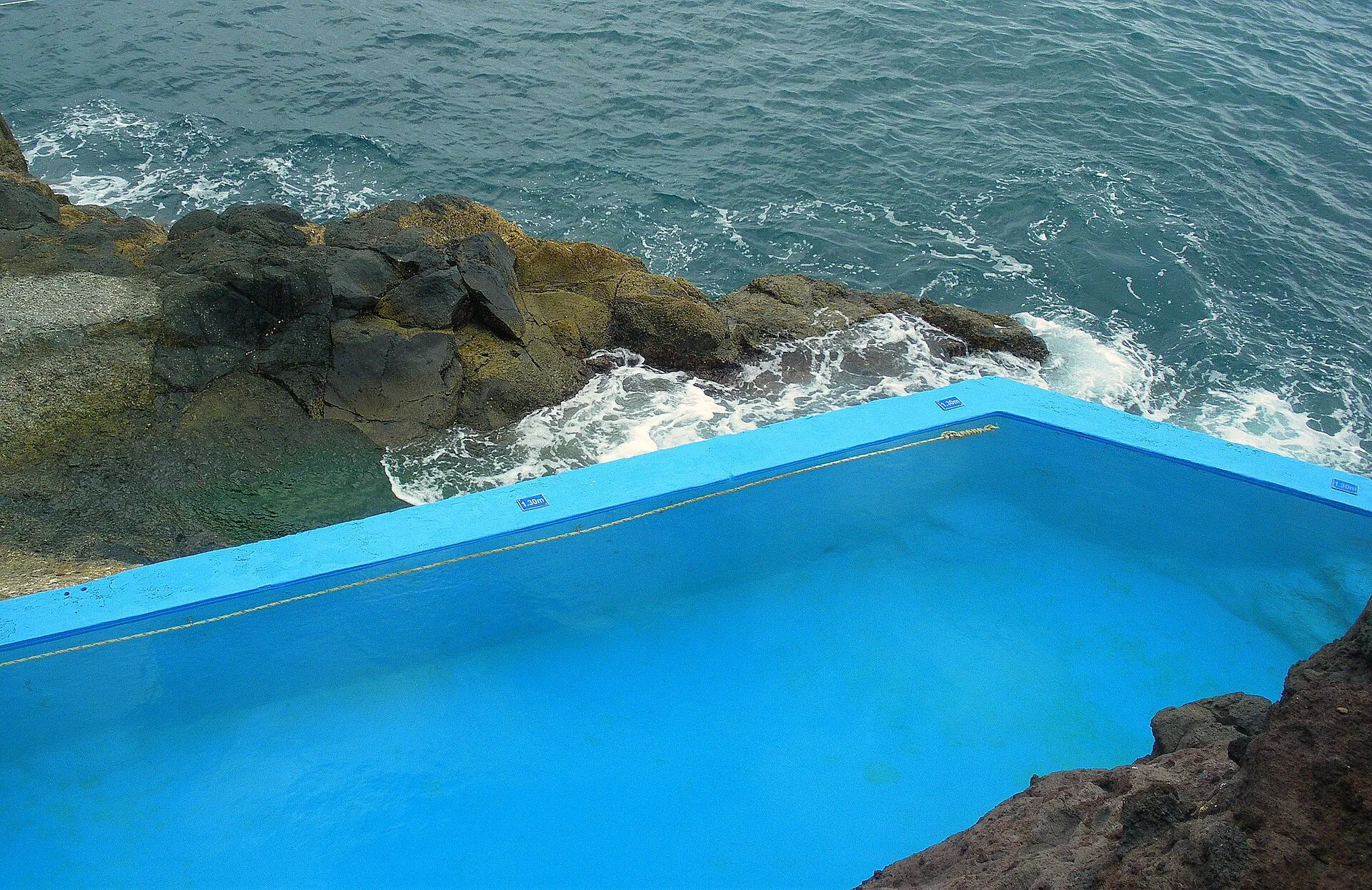
The hotel is also known for a set of facilities that extend the stay beyond the room. Current features include heated outdoor pools, ocean access, a spa, a sauna and tennis courts. These amenities reinforce the idea of Reid’s Palace as a place designed for longer stays and leisure rather than quick turnover. Its outdoor and restorative offer is consistent with Madeira’s historical appeal as a destination for extended holidaymaking.
Dining, services and activities
According to the hotel’s site, its dining offer includes four restaurants, an afternoon tea terrace and a cocktail bar. Dining is therefore a major part of the overall experience. That is consistent with the tradition of grand historic hotels, where food, ritual and social life are woven into daily rhythm. The tea terrace, in particular, helps explain why the hotel is often linked with a slower, more contemplative way of staying.
Beyond dining, the hotel highlights mountain walks and botanical tours among its activities. That connection to the wider territory is important because it shows that Reid’s Palace does not stop at its own perimeter. It acts as a base for experiences that connect to Madeira’s larger natural landscape. Rather than closing itself off in luxury, the hotel engages directly with the island’s scenery and environmental appeal.
This role as a mediator between city and territory is useful for understanding the property as a cultural form. Guests encounter comfort, but also a way of framing the island: the sea, the gardens, the walks and the botany all become part of the hotel’s narrative and of the way Madeira is experienced from it.
Notable guests and cultural memory
The hotel’s official history links Reid’s Palace with distinguished visitors such as George Bernard Shaw and Winston Churchill. These names matter because they reinforce the hotel’s image as a place for extended stays, restorative leisure and inspiration. The significance of that memory lies not just in the prestige of the guests, but in the kind of experience they suggest: a hotel where people wrote, walked, talked and observed the landscape as part of everyday life.
Famous guests help anchor the hotel in Madeira’s broader cultural imagination. Reid’s Palace is not only a beautiful building or a luxury address; it is also a narrative place. In destinations with a strong sense of identity, historic hotels often accumulate layers of memory, and Reid’s Palace is a clear example of that process.
This cultural memory also links the hotel to the evolution of tourism in Madeira. Traveller profiles have changed over time, but the property has retained an image associated with unhurried time, contemplation and high-quality surroundings. In that sense it operates as both a witness to a past era and an active institution in the present.
Reid’s Palace today
Today, Belmond Reid’s Palace can be understood on three levels. First, it is a working hotel with accommodation, dining and leisure facilities. Second, it is a historic property whose roots go back to the late nineteenth century and the rise of tourism in Madeira. Third, it is part of Funchal’s cultural image, associated with Atlantic views, gardens and cosmopolitan travel.
That layered identity explains its durability. The hotel does not rely only on nostalgia, nor only on contemporary service. Its strength lies in the continuity between the two. Visitors encounter a place that belongs to Madeira’s history but is still lived in the present. That overlap between memory and use is one reason the hotel remains so emblematic.
Seen from the bay or from elsewhere in the city, the hotel helps condense the image of Funchal itself. It brings together sea and slope, garden and architecture, urban life and retreat. For that reason, Reid’s Palace is not simply a famous Madeira hotel: it is a very clear way of reading the island’s capital.