
Overview
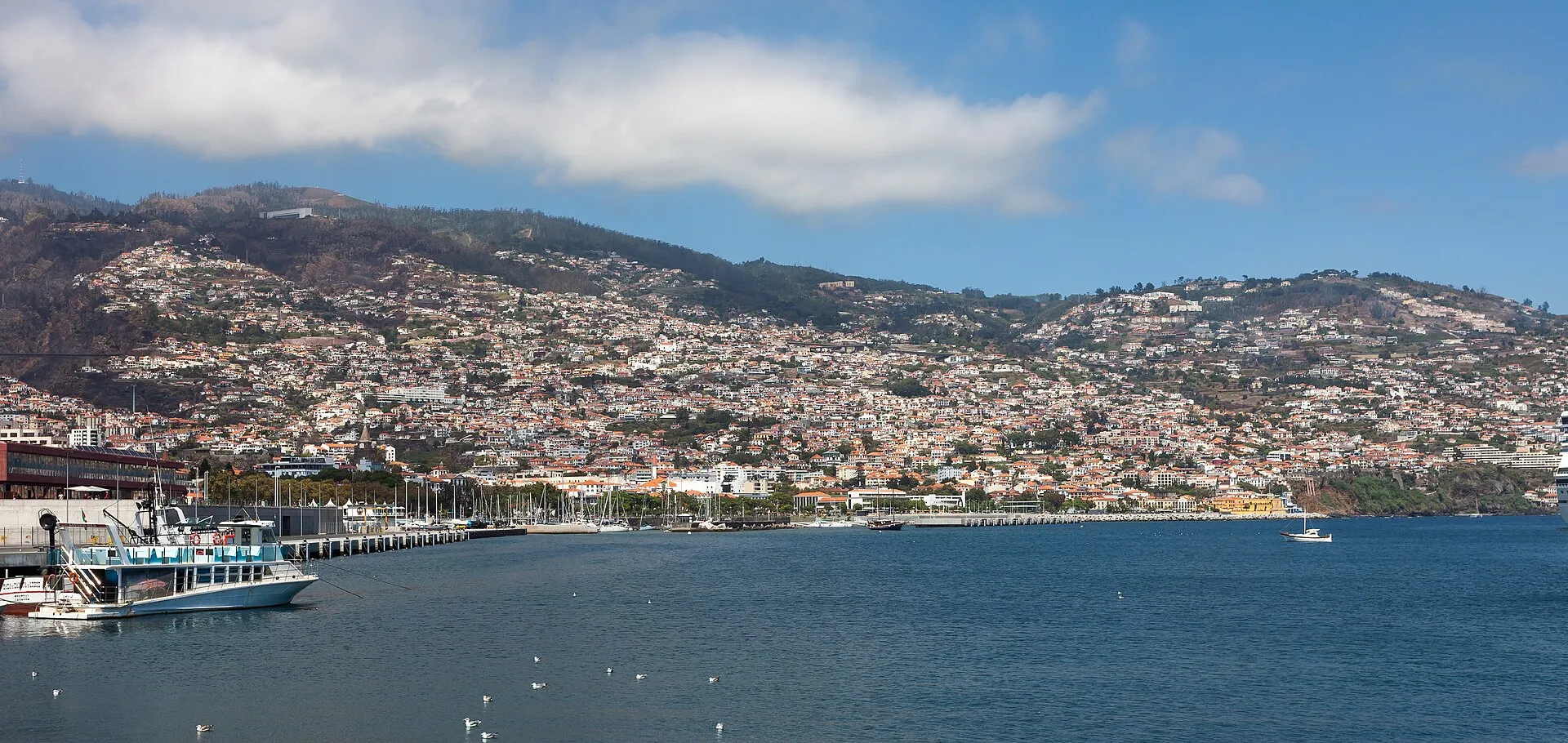
There is no single best time to visit Madeira Island. The archipelago has mild weather all year, and the official tourism board describes it as a subtropical destination with gentle temperatures across the seasons. That year-round softness is a large part of Madeira’s appeal: summer is warm without being extreme, winter stays comfortable, and the shift between seasons is usually gradual rather than abrupt.
Even so, the experience of travelling in Madeira changes depending on the month and on the kind of trip you want to have. If you are planning to hike, visit scenic viewpoints, wander through gardens, and enjoy lush landscapes, spring and early autumn are generally the easiest seasons to recommend. If you care most about beaches, sea swimming, and longer days, summer has the advantage. Winter, meanwhile, is especially appealing if you prefer mild temperatures, fewer crowds, and a slower travel rhythm.
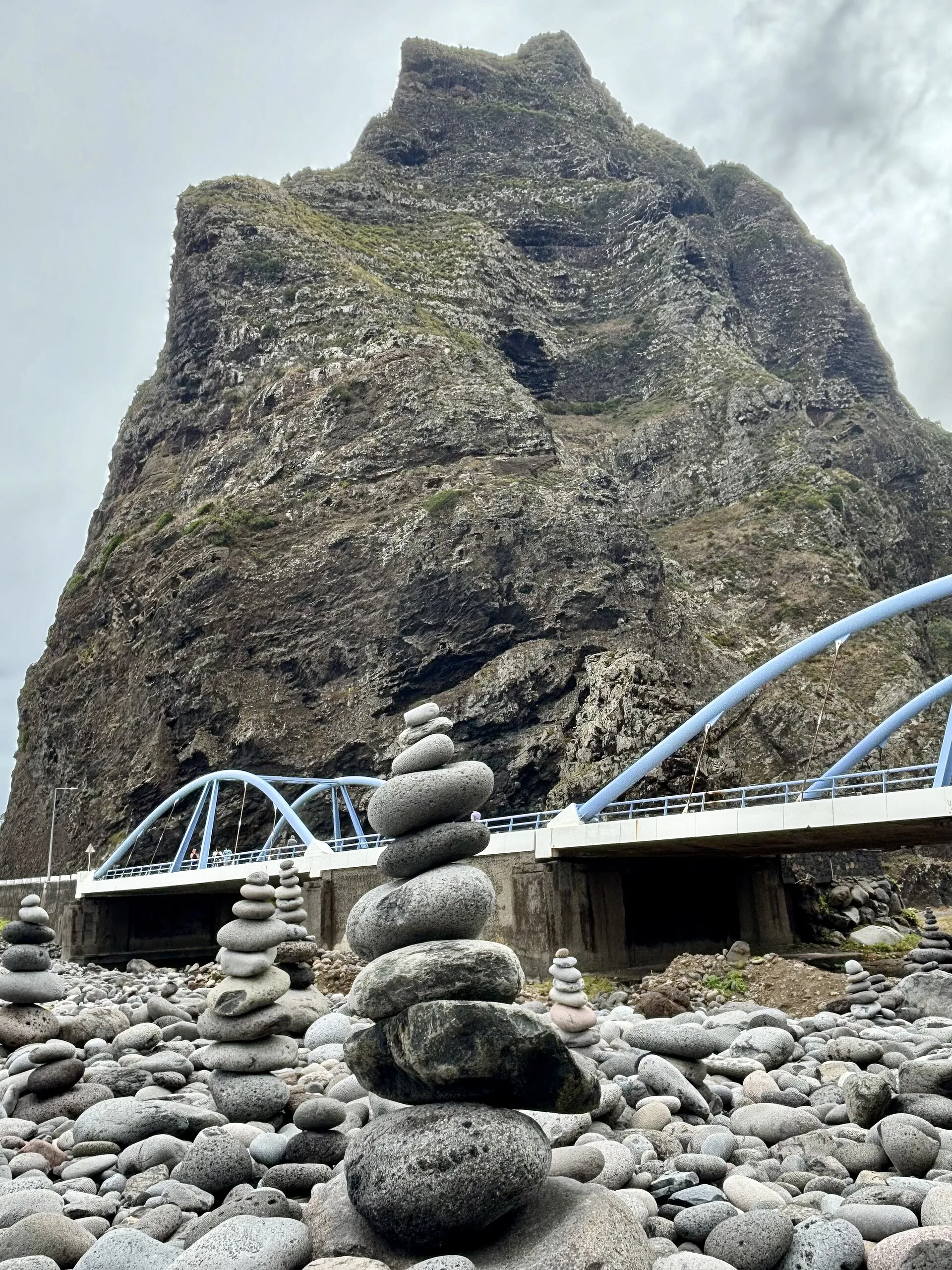
It is also worth remembering that Madeira does not have a single uniform climate. Its mountainous terrain creates microclimates, so one day can include clear weather on the coast, mist in the hills, and noticeable temperature shifts as you move between different parts of the island. In practical terms, that means the “best” time depends not only on the month, but also on what you plan to do in each part of the island.
Spring: the most balanced season
Spring is, for many visitors, the most balanced season for Madeira. The official tourism board highlights spring as one of the best times to explore the island’s nature, with average temperatures between 18 °C and 22 °C. Funchal’s climatological normals show the same gentle transition: monthly mean temperatures rise from 17.4 °C in March to 17.9 °C in April, 19.1 °C in May, and 20.9 °C in June. The monthly average maximum also climbs gradually, from 20.6 °C in March to 21.0 °C in April, 22.0 °C in May, and 23.7 °C in June.
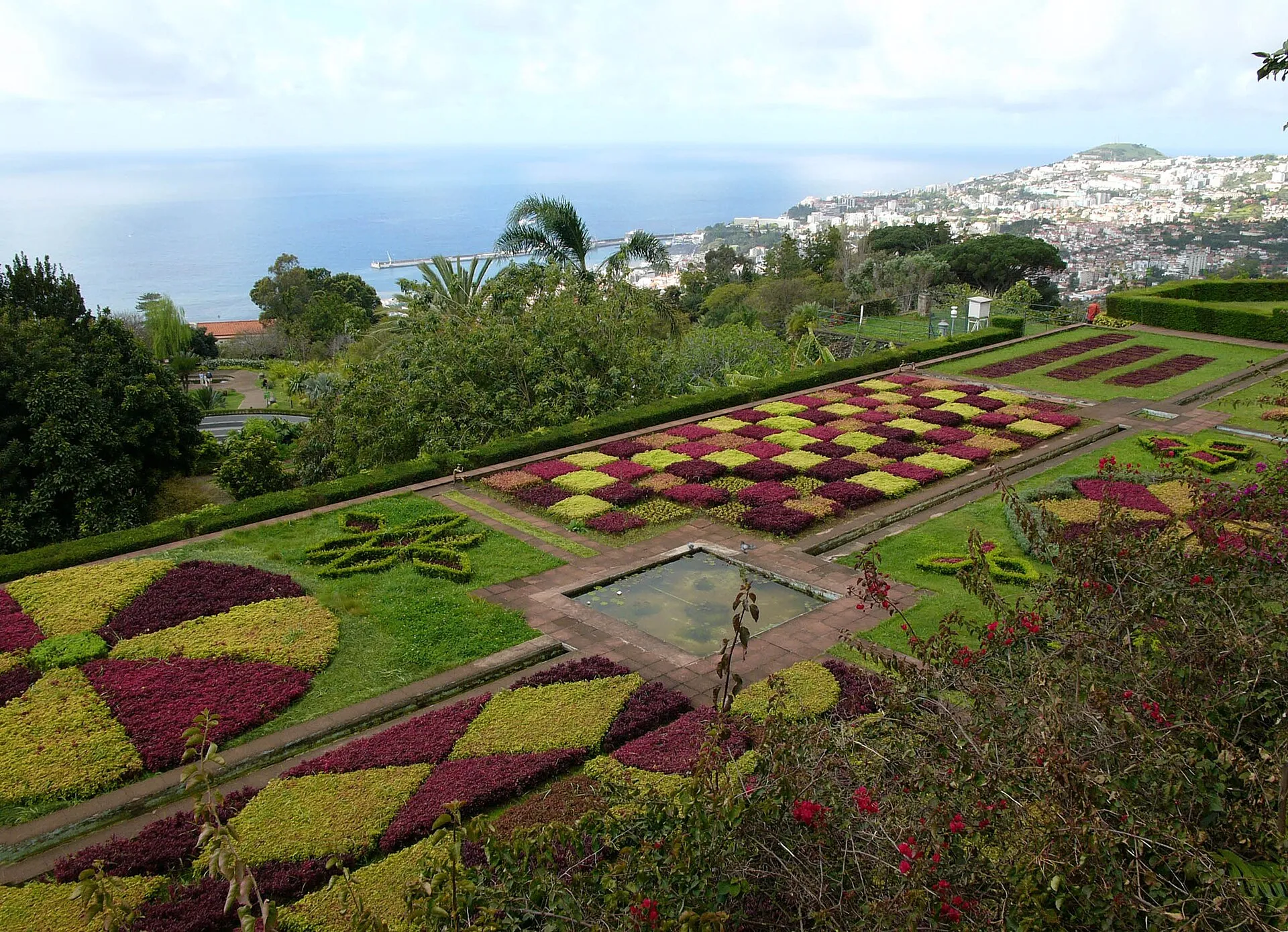
That combination makes spring particularly comfortable for walking, nature outings, garden visits, and photography. It is a season when outdoor time feels easy and when the island often looks at its most lush. Spring is also a strong match for travellers who want a trip that feels lively but not hot.
Spring also overlaps with one of Madeira’s best-known annual events, the Flower Festival. The official tourism board says it takes place every year in spring, usually between April and May. For visitors who enjoy floral displays, festive city energy, and cultural events, that adds an extra reason to choose this season.
If you want one season that combines pleasant temperatures, beautiful scenery, and maximum flexibility, spring is probably the safest answer to “when should I go?”.
Summer: best for beaches and the sea
Summer is the best time if your priority is the ocean, natural pools, and long bright days. Official tourism information describes summer warmth as moderate, with highs around 25 °C. In Funchal’s climate normals, August is the warmest month, with a mean temperature of 23.7 °C and a mean maximum of 26.8 °C. July is also warm, with a mean of 22.6 °C and a mean maximum of 25.4 °C. In other words, Madeira’s summer is warm and sunny, but still far from extreme.
That makes summer the most natural season for combining hiking with beach time, swimming, and longer evenings outdoors. The tourism board also notes that sunrise and sunset happen later in summer, which gives you more usable daylight and more flexibility in planning. The trade-off is that summer is usually the busiest season, so accommodation, transport, and activities are worth booking early if you are travelling on fixed dates.
For families, school holidays, and travellers who want an easy beach-and-sea break, summer is a straightforward and reliable choice. If you are hiking in exposed areas, it is smart to start early and keep an eye on the day’s conditions.
Autumn: pleasant light and a calmer atmosphere
Autumn is often overlooked, but it is one of the most appealing seasons for a Madeira trip. The official tourism board describes autumn as a time of special light, mild temperatures, and a more serene atmosphere. Funchal’s climate normals show that September remains warm, with a mean temperature of 23.5 °C, before easing to 22.2 °C in October and 19.9 °C in November. Mean maximum temperatures follow the same pattern, moving from 26.6 °C in September to 25.2 °C in October and 22.8 °C in November.
In practice, autumn offers a very attractive mix: the weather still feels pleasant, the island begins to relax after peak summer intensity, and the overall pace becomes gentler. It is an excellent time for walking, scenic drives, estate visits, and food-focused itineraries. For travellers who want to enjoy good weather without the busiest crowds, autumn is a particularly strong option.
Early autumn is often especially appealing because it still carries a little summer warmth while feeling less crowded and less intense than July or August.
Winter: mild, green, and surprisingly comfortable
Winter in Madeira remains mild by European standards. The official tourism board says winter days are pleasantly cool and that temperatures rarely fall below 15 °C. Funchal’s climatological normals reflect that softness: the monthly mean temperature is 17.1 °C in January and 16.8 °C in February, with mean maximums of 20.0 °C and 19.9 °C respectively.
That means winter still works well for walks, viewpoints, and scenic drives. If you prefer travelling without strong heat, with fewer crowds and a calmer atmosphere, winter can be a very attractive time to go. It may not be the obvious beach season, but it remains highly rewarding for travellers who are more interested in landscapes, food, and a relaxed pace.
In other words, winter may be underrated, but it is one of the most sensible options if comfort and quiet matter more to you than peak summer conditions.
How to choose the right time for your trip
For hiking and nature: spring and autumn usually offer the best balance of temperature, light, and comfort.
For flowers and gardens: spring is the standout season, especially because it coincides with the Flower Festival.
For beaches and swimming: summer is the obvious choice, with longer days and warmer sea-oriented weather.
For a mild and peaceful getaway: winter and late autumn can be excellent.
For a flexible mixed itinerary: May, June, September, and early October are often especially versatile, because they allow a mix of walking, coast time, gardens, and city visits under comfortable conditions.
One more thing matters in Madeira: microclimates. Weather can change significantly between the coast, the mountains, and different sides of the island on the same day. That makes layered clothing, comfortable footwear, and some flexibility in your daily plan sensible choices in any season.
Bottom line
If you want a short answer, the best time to visit Madeira is usually spring, especially from April to June, or early autumn, when the climate stays mild and the island is very comfortable to explore. Summer is the best season for beach time and sea swimming, while winter is a strong option for quieter travel and gentle temperatures. In the end, Madeira is a true year-round destination, and the right time depends on the type of trip you want to have.