
Overview
Madeiran cuisine is one of the clearest ways to understand the cultural identity of the archipelago. It is not just a list of famous dishes: it grows out of the relationship between land, agricultural cycles, the sea, and the customs of gathering and sharing that have shaped everyday eating over time. Visit Madeira presents traditional cuisine as an expression of the island’s history, climate, and simple way of life, grounded in fresh ingredients, artisanal methods, and a strong sense of conviviality. That perspective helps show that Madeiran food is a living food heritage, not merely a tourist label.
Seen as a whole, Madeiran food culture has its own logic. There are meat dishes associated with group meals and festive occasions, fish preparations rooted in the coast, breads and accompaniments that anchor the table, and sweets and drinks that complete the experience. The island’s agricultural history helps explain this variety: Britannica notes that Madeira has long been shaped by agriculture and that crops such as cereals, sugarcane, and numerous fruits have played an important role in the island’s economy and diet.
Regional produce and agricultural foundations
Regional produce is the starting point of Madeiran cooking. Visit Madeira highlights chestnuts, sugarcane, cherimoya, passion fruit, and Madeira banana among the ingredients that underpin the island’s traditional gastronomy. These are not simply “local ingredients” in a generic sense: several have their own agricultural and economic histories, linked to the island’s microclimates and its ability to turn a small territory into a varied food landscape.
Sugarcane is especially important. According to Visit Madeira, it was one of the engines of the island’s economy in the 15th and 16th centuries and remains essential to the production of sugarcane honey and agricultural rum. That continuity matters because cane derivatives are not limited to the past; they still appear in sweets, beverages, and everyday products, making sugarcane one of the most persistent threads in Madeira’s food identity.
This agricultural profile is consistent with the broader history of the archipelago. Britannica describes Madeira as a place whose agricultural development has long included bananas, vineyards, and other crops adapted to the island’s climate and terrain. In culinary terms, that helps explain why Madeiran cuisine combines land and sea so naturally while remaining strongly tied to production on the island itself.
Signature dishes and flavours
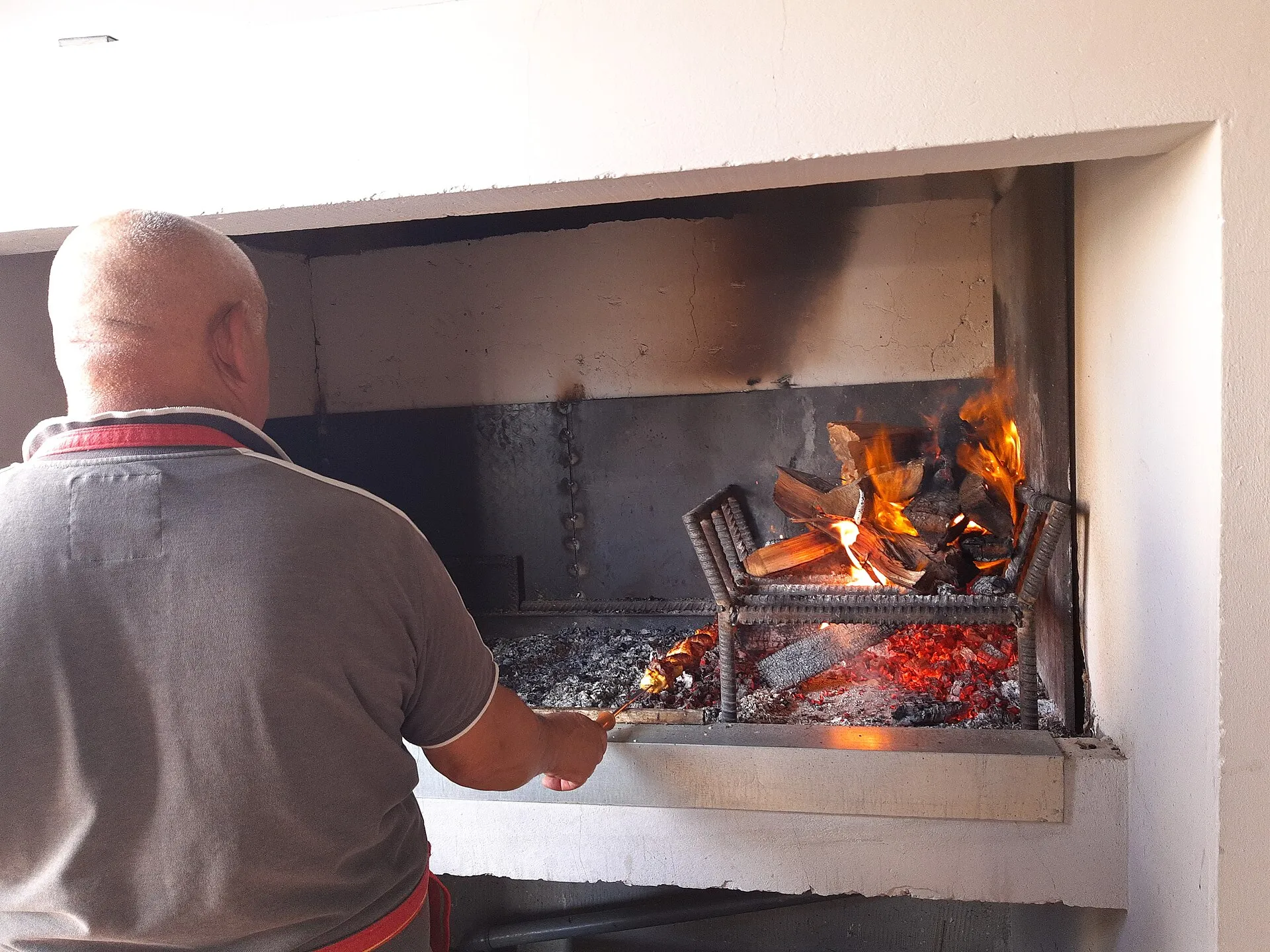
Among the best-known dishes, espetada is probably the most recognisable symbol of Madeiran food. Visit Madeira describes it as an iconic dish of traditional cuisine, served on bay laurel skewers and associated with gatherings, festivities, and shared meals. The preparation is straightforward, but the flavour depends on the quality of the meat, the seasoning, and the grill, which captures a recurring feature of local cooking: few ingredients, careful handling, and a strong final result.
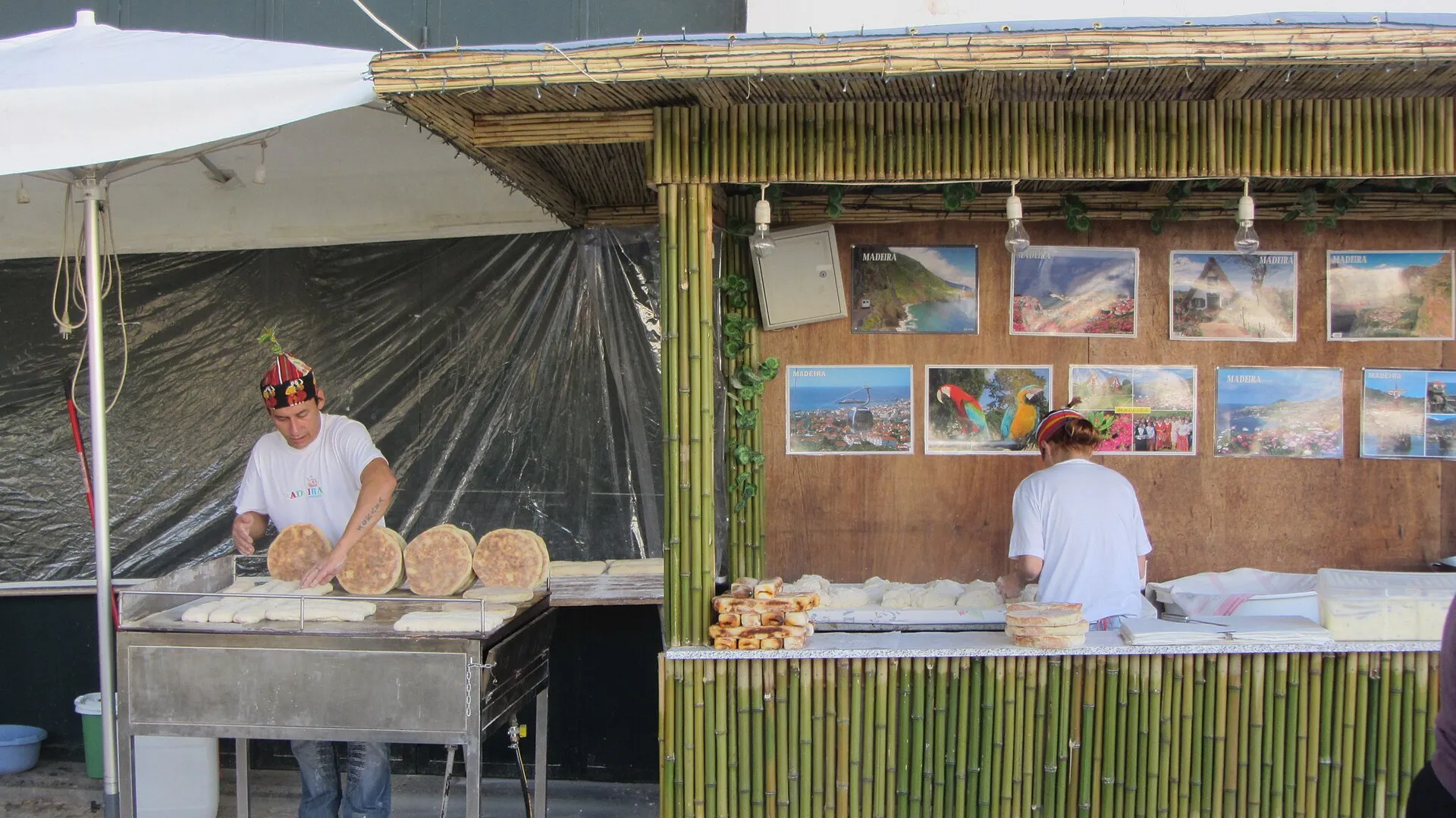
Bolo do caco is another essential element. It is a traditional bread served warm and often spread with garlic butter, and it can also serve as the base for sandwiches such as the prego no bolo do caco. In official tourism material, it stands out as one of the strongest names on the Madeiran table precisely because it works in two ways at once: as an accompaniment and as a carrier for other flavours.
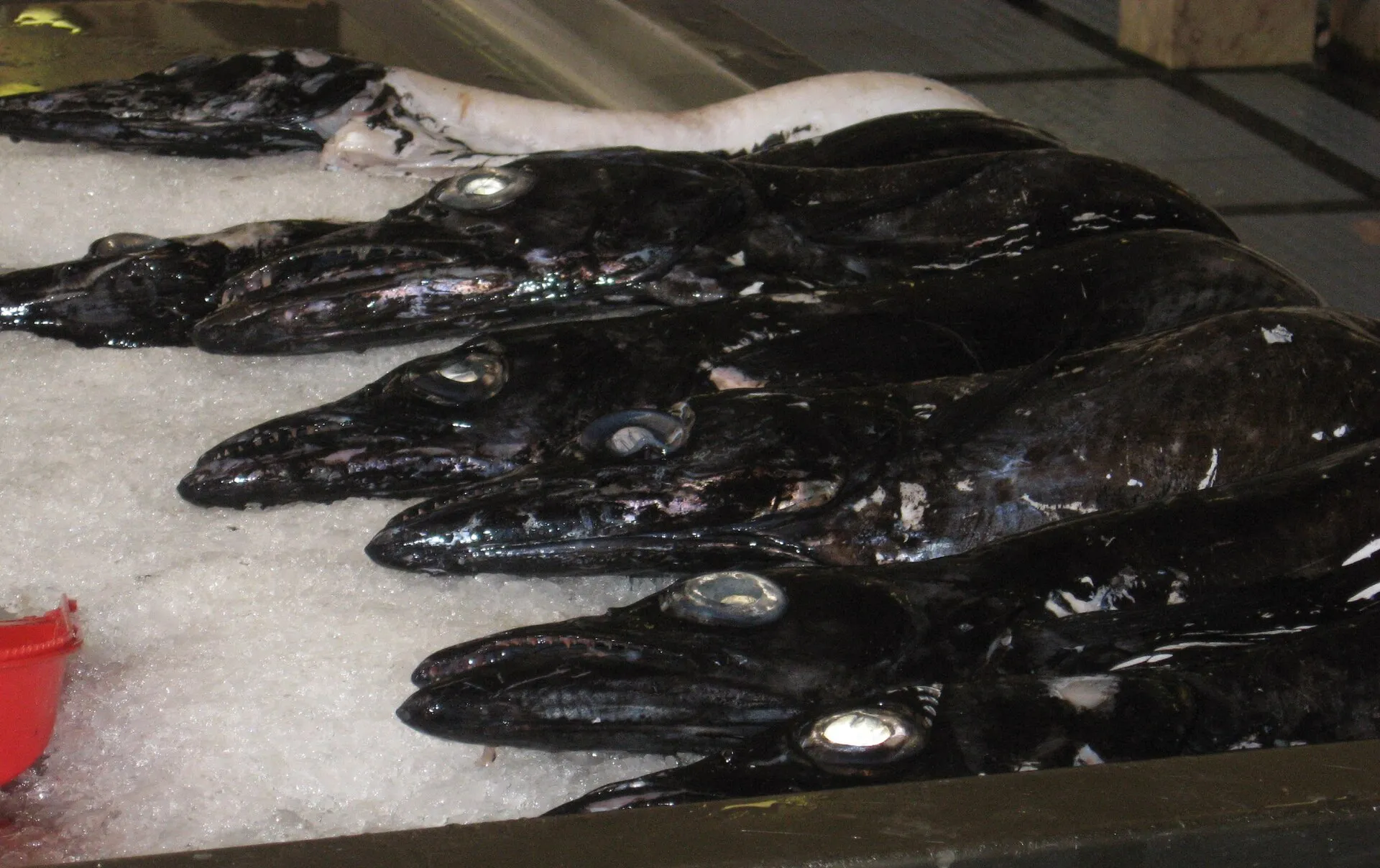
Among fish dishes, black scabbardfish fillet is a defining speciality, often served with banana. Visit Madeira presents this pairing as one of the island’s signature delicacies. Tuna also has a strong place in the local repertoire, with the official destination pages listing tuna steak among the traditional preparations. This mix of fish and fruit shows how Madeiran cuisine balances maritime flavours with regional produce.
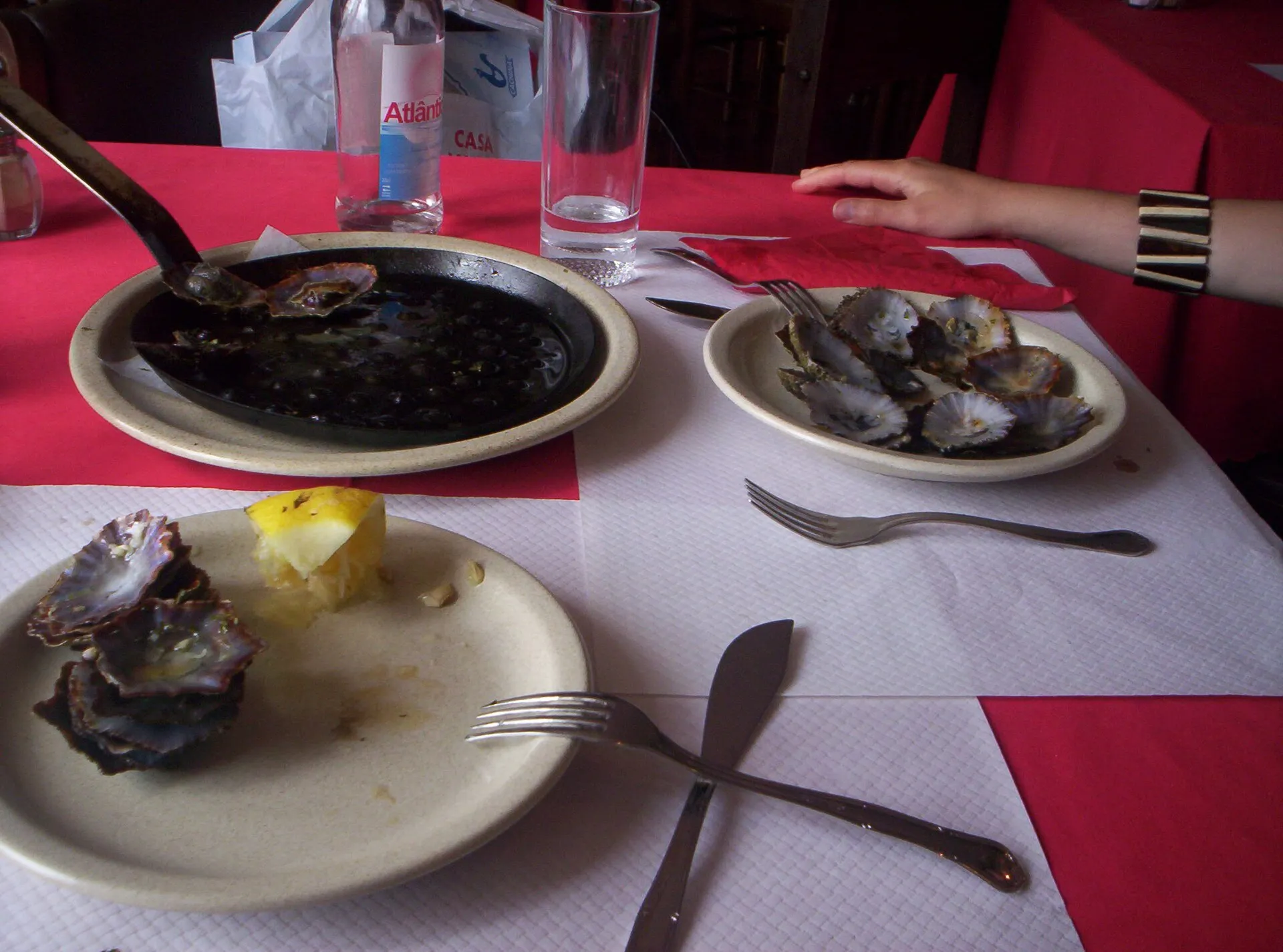
Grilled limpets express the cuisine’s direct connection to the sea. Visit Madeira describes them as a gastronomic treasure from the ocean and notes that they are commonly served as a starter, still in the pan and in their shells, with bolo do caco and garlic butter. The dish is a good example of a cooking style that uses simple seasoning to enhance, rather than hide, the taste of the ingredient itself.
There are also dishes linked to festive occasions and table sharing. Carne de vinha d’alhos is described as a Madeiran festival dish made from pork marinated in white wine and garlic. Picado regional is served as a shared dish for several people. In both cases, food is also a social act, not just a routine necessity.
Traditional drinks and sweets
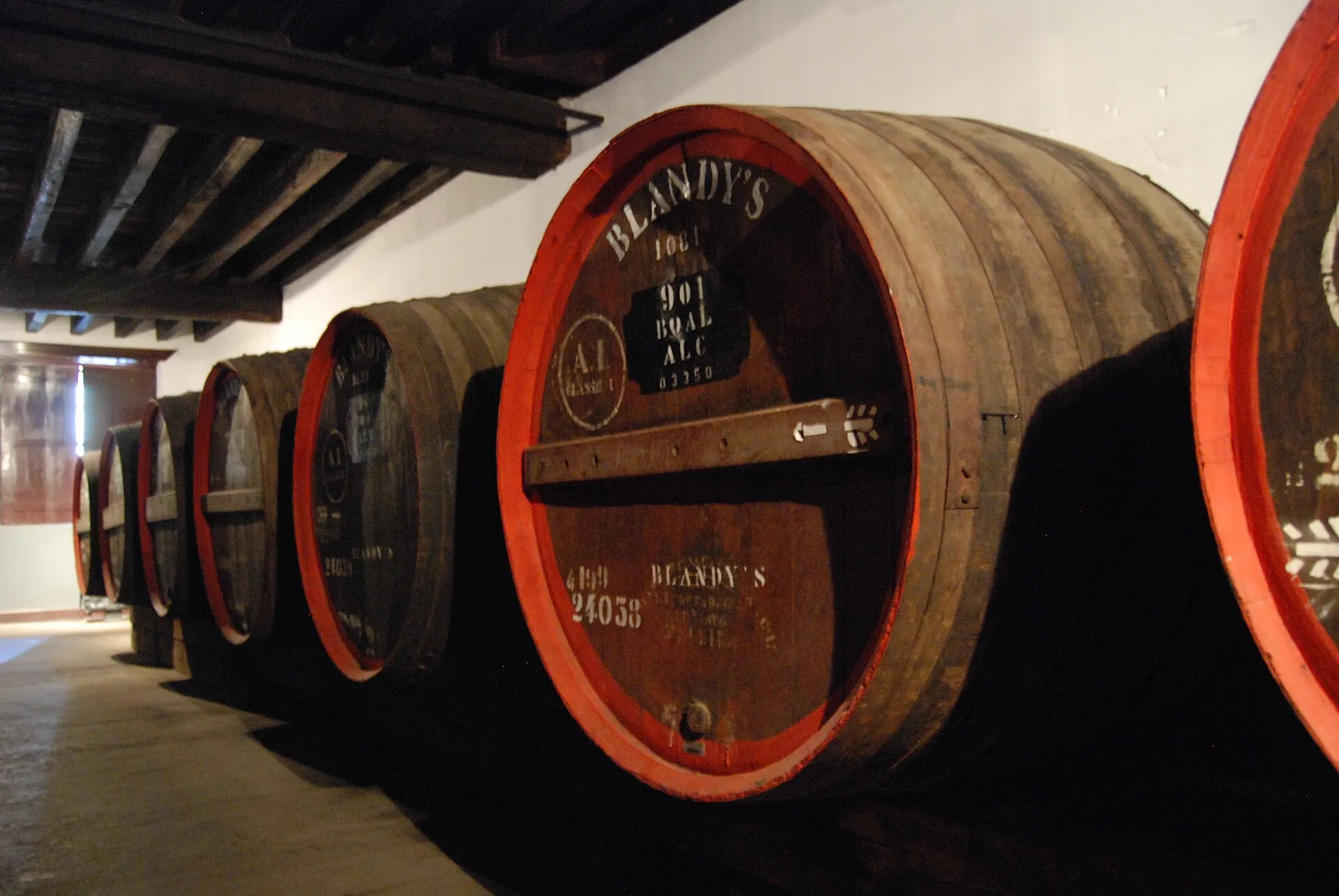
On the drinks side, poncha and Madeira wine hold a central place in the island’s gastronomic image. Visit Madeira includes both among the most recognisable elements of local food tradition, while IVBAM explains that Madeira rum is the key ingredient in traditional poncha. The same institute defines Rum da Madeira as a protected geographic indication spirit produced in the Autonomous Region of Madeira and obtained exclusively through alcoholic fermentation and distillation of sugarcane juice.
IVBAM also reports that in 2024 there were 4 mills active in Rum da Madeira production, with total output exceeding 3,580 hectolitres in pure alcohol and more than 6,267 hectolitres bottled. Those figures show that the drink is not only a cultural symbol but also part of an active, regulated production chain.
In sweets, bolo de mel and Madeiran broas are prominent. Visit Madeira presents them as part of the island’s confectionery tradition and links them to older recipes and regional ingredients, including cane honey. The same source also highlights bolo preto da Madeira among the traditional sweets, showing that the island’s dessert repertoire is broader than the popularity of a single cake might suggest.
Food, festivals, and seasonality
An important feature of Madeiran cuisine is its connection to festivals and the agricultural calendar. Visit Madeira notes that several traditional celebrations, originally linked to the farming cycle and to religious observance, bring communities together around music, dancing, and food. In those settings, dishes such as espetada, bolo do caco, poncha, and seasonal products appear frequently, showing that gastronomy on the island also works as a form of collective memory and social life.
Chestnuts are a strong example of this seasonal dimension. The official material points to their central role in Curral das Freiras and mentions the Chestnut Festival, usually held between October and November. That illustrates how certain regional ingredients are tied to a specific time of year, reinforcing the link between harvest, place, and table.
How to understand Madeiran cuisine
To understand Madeiran food properly, it is best to see it as a complete food culture rather than as a short list of famous recipes. Local gastronomy brings together agriculture, fishing, confectionery, drinks, and the customs of sharing meals. Visit Madeira stresses that the island’s food culture goes far beyond typical dishes and includes regional produce, artisanal drinks, and desserts that form part of the wider culinary experience.
It is also worth remembering that this cuisine developed in a small, mountainous territory with marked bioclimatic variation and strong maritime influence. The result is a food culture in which simplicity does not mean blandness; instead, it reflects careful adaptation to what the local environment provides. In that sense, Madeiran food is better understood as a living culinary heritage than as a fixed list of specialities.
That is why talking about Madeira’s gastronomy means talking about landscape, economy, memory, and sociability all at once. The best-known flavours — espetada, bolo do caco, black scabbardfish, grilled limpets, poncha, Rum da Madeira, Madeira wine, and bolo de mel — matter because they condense that relationship between local resources and cultural tradition. But the deeper interest of Madeiran cuisine lies in its coherence as a whole: an island food culture that is Atlantic, regional, rustic, festive, and adaptable at the same time.
For visitors
For visitors, the best way to approach Madeiran cuisine is to observe how its elements fit together: try a meat dish, sample local fish, notice the role of bread in the meal, choose a traditional sweet, and see how poncha or Madeira wine accompany the culture of the table. This sequence shows that the island’s cuisine is not just a collection of specialities, but a way of eating linked to the island’s landscape, produce, and rhythms of life.