
Overview
Madeira is part of the Autonomous Region of Madeira in Portugal, and it is the largest and most populous island in the archipelago. For many travellers, it is best known as a holiday destination shaped by dramatic scenery, a mild year-round climate and a close relationship between nature and culture. Its mountainous terrain, deep valleys, rugged coastline and constant Atlantic setting help explain why the island is often presented as a tropical escape in the middle of the ocean.
The island is also a place where the natural environment sits at the centre of the visitor experience. A large share of Madeira is protected, and walking routes, viewpoints, forest areas and coastal spaces are central to how the island is explored. Rather than a destination defined by beaches alone, Madeira offers a mix of hiking, landscape appreciation, gardens, gastronomy, urban culture in Funchal and direct contact with protected natural areas.
Geography and volcanic origin
Madeira belongs to an archipelago that also includes Porto Santo, the Desertas and the Selvagens; of these, only Madeira and Porto Santo are permanently inhabited. Geologically, the island is the exposed part of a large volcanic shield built over oceanic crust, with a long volcanic history. That setting helps explain the steep relief, sharp slopes and strong contrasts between the coast and the mountainous interior.
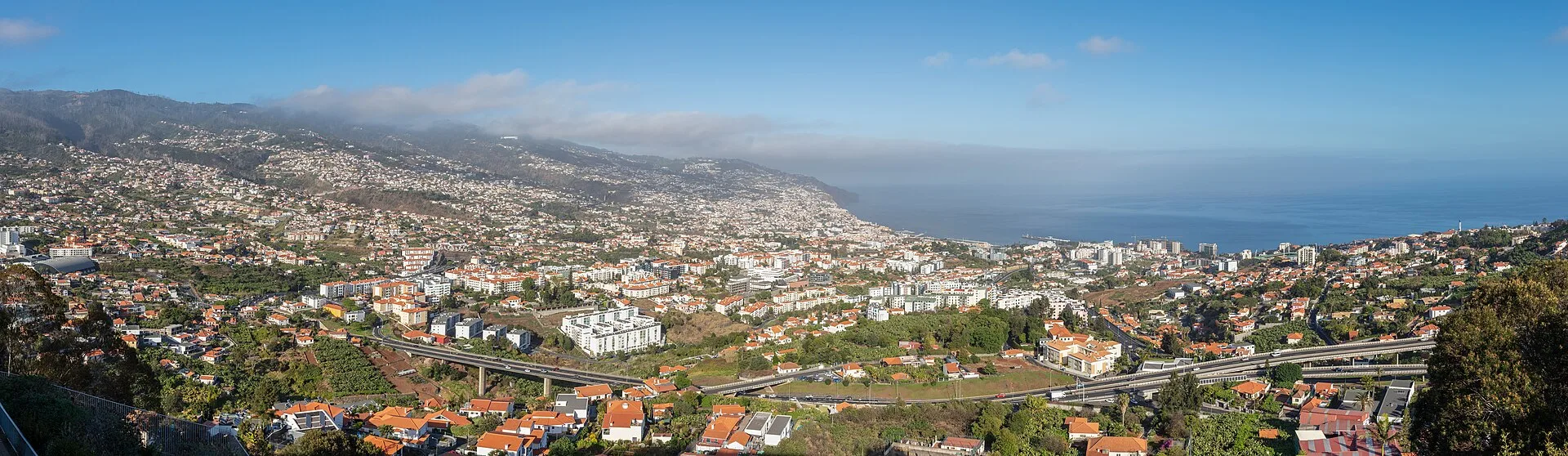
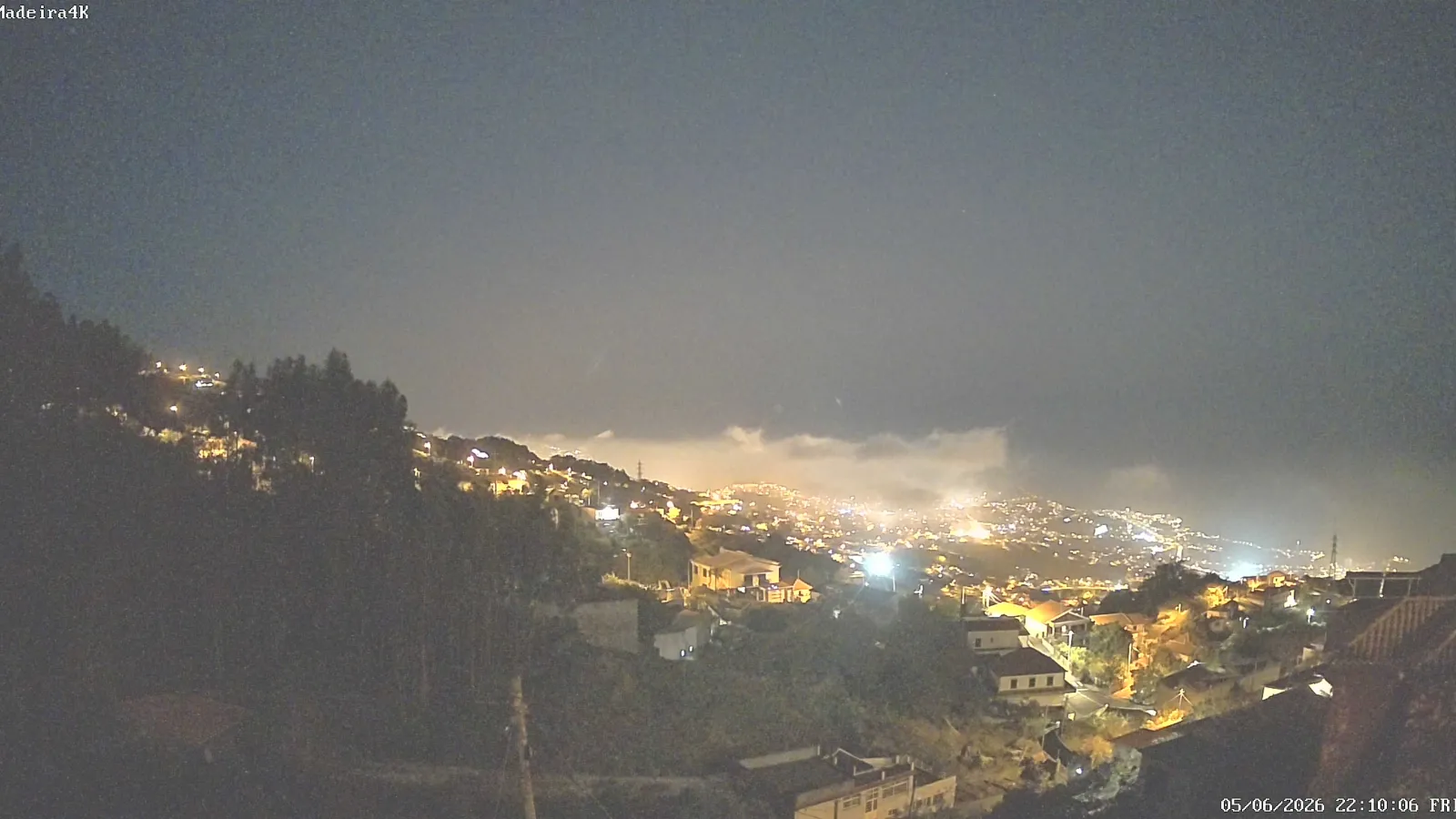
In practical terms, this topography shapes the holiday experience. Travellers encounter a central mountain spine, narrow valleys and coastal zones that feel very different from one another. The north is typically greener and wetter, while the south coast concentrates much of the island’s urban and tourist activity, especially in Funchal. This spatial variety is one of Madeira’s most distinctive qualities and one of its major attractions.
Climate and seasonal interpretation
Madeira is known for its mild climate throughout the year. Average temperatures are around 15 °C in winter and 25 °C in summer, and the subtropical climate is regularly presented as one of the main reasons for the island’s popularity as a holiday destination. For visitors, this means a great deal of flexibility: walking, garden visits, coastal exploration and outdoor nature experiences are all possible in different seasons.
In seasonal terms, the island can be visited year-round, but the atmosphere changes across the calendar. Spring brings especially lush vegetation; summer remains pleasantly moderate; autumn keeps a soft, luminous feel; and winter is cooler but still suitable for outdoor activities. Madeira is also known for its microclimates, so weather conditions can differ considerably between the coast, the slopes and the higher mountain zones on the same day.
Nature, levadas and protected areas
Nature is one of the main reasons Madeira is chosen for holidays. Around two-thirds of the island’s area is classified as protected, reflecting the importance of conservation across the territory. These protected spaces include Madeira Natural Park, the Laurisilva Forest, Garajau Nature Reserve, Rocha do Navio Nature Reserve, and the Desertas and Selvagens reserves. This framework means that a visit to Madeira is closely associated not only with enjoyment, but also with respect for fragile ecosystems.
The levadas are another defining feature of the island’s holiday identity. These water channels, historically built to move water across difficult terrain, have become one of Madeira’s best-known ways to walk through the landscape. Many visitors come precisely for this combination of traditional engineering, forest, mountain and ocean views. The island’s walking landscape is therefore as important as its coastline.
Among the most significant natural spaces is Madeira’s Laurisilva, listed as a UNESCO World Heritage site. UNESCO describes it as the largest surviving area of primary laurel forest and highlights its ecological value, its endemic species and its role in regulating the island’s water balance. For visitors, the Laurisilva helps explain Madeira’s image as a green, humid island strongly tied to nature conservation.
Funchal and the urban experience
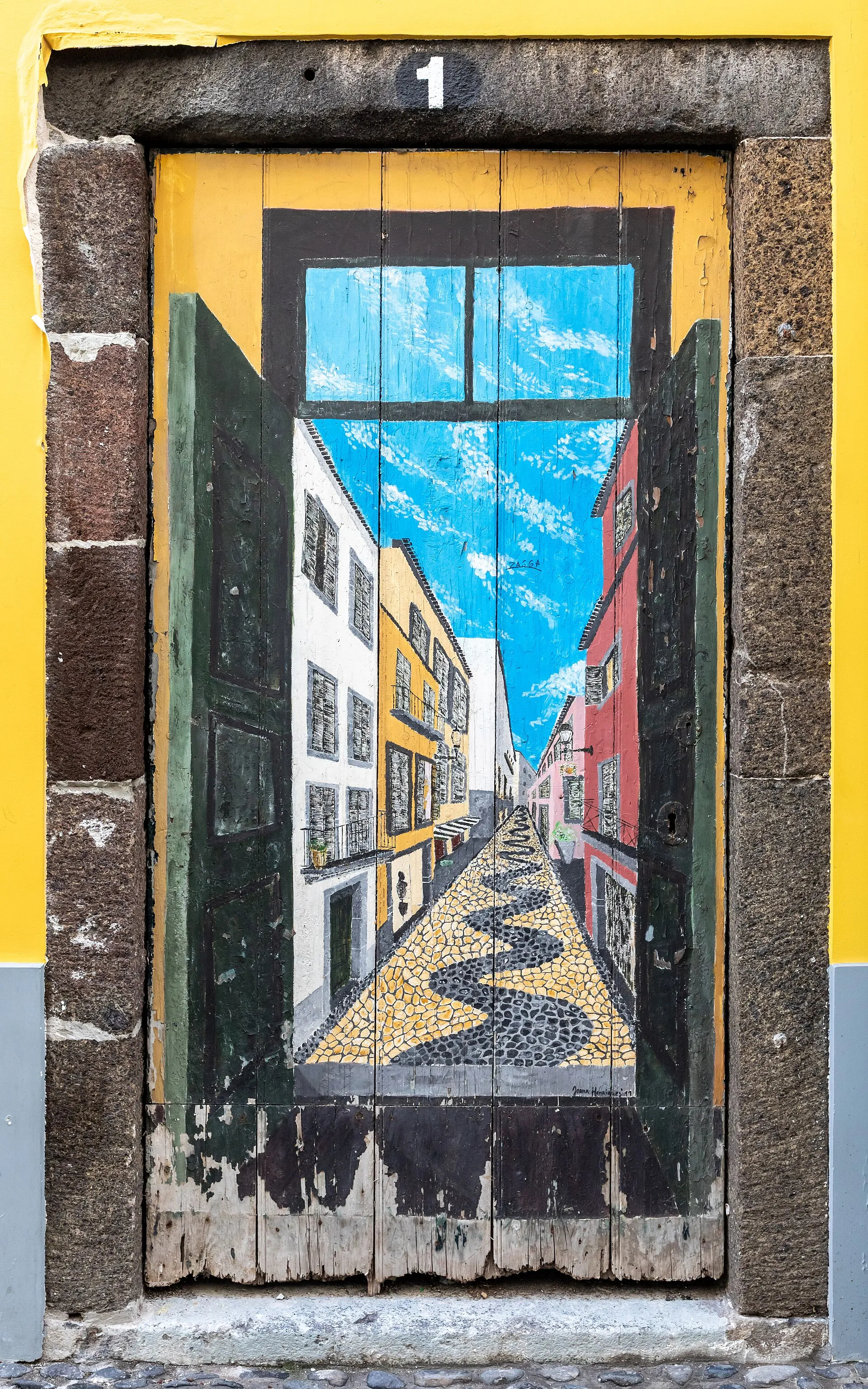
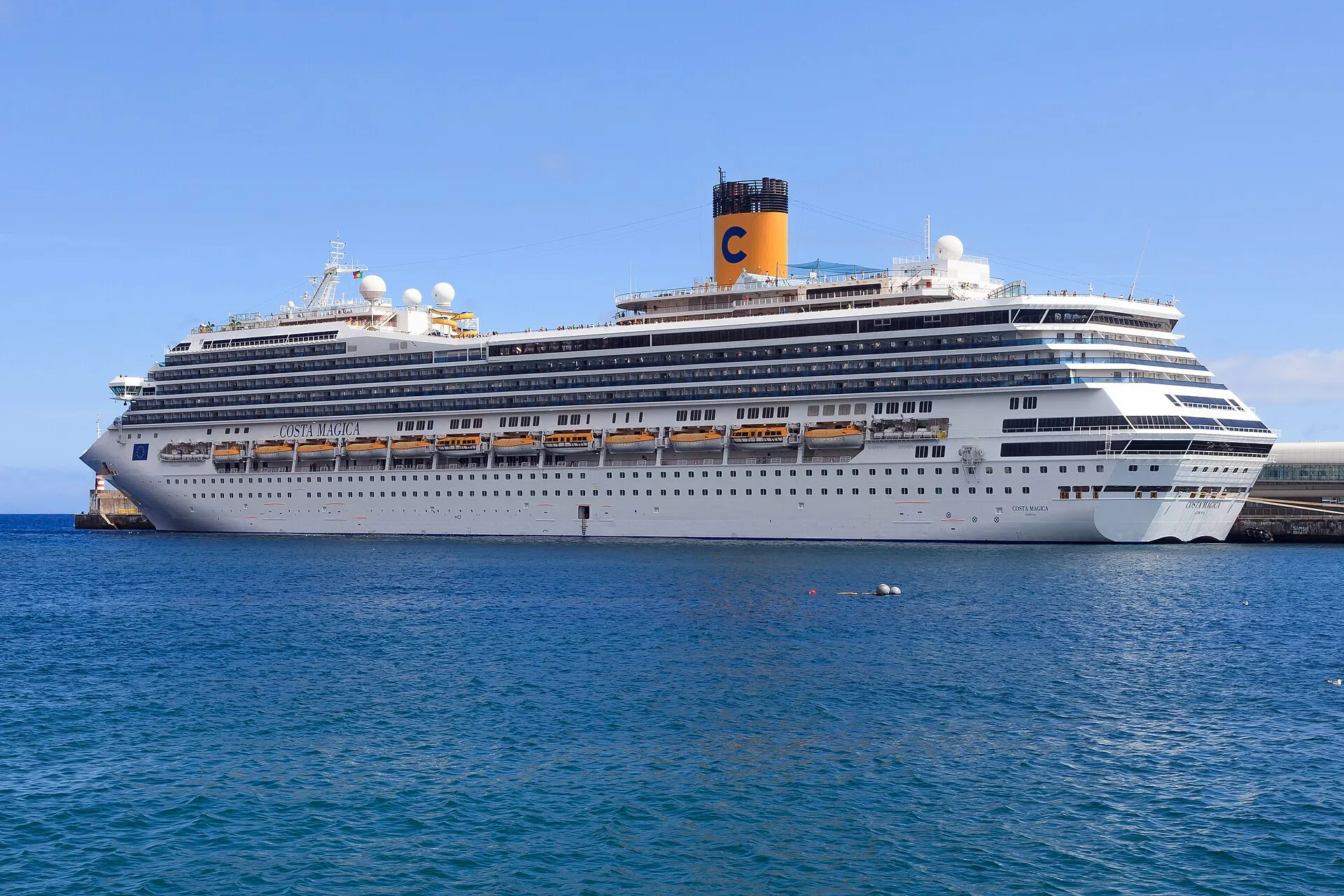
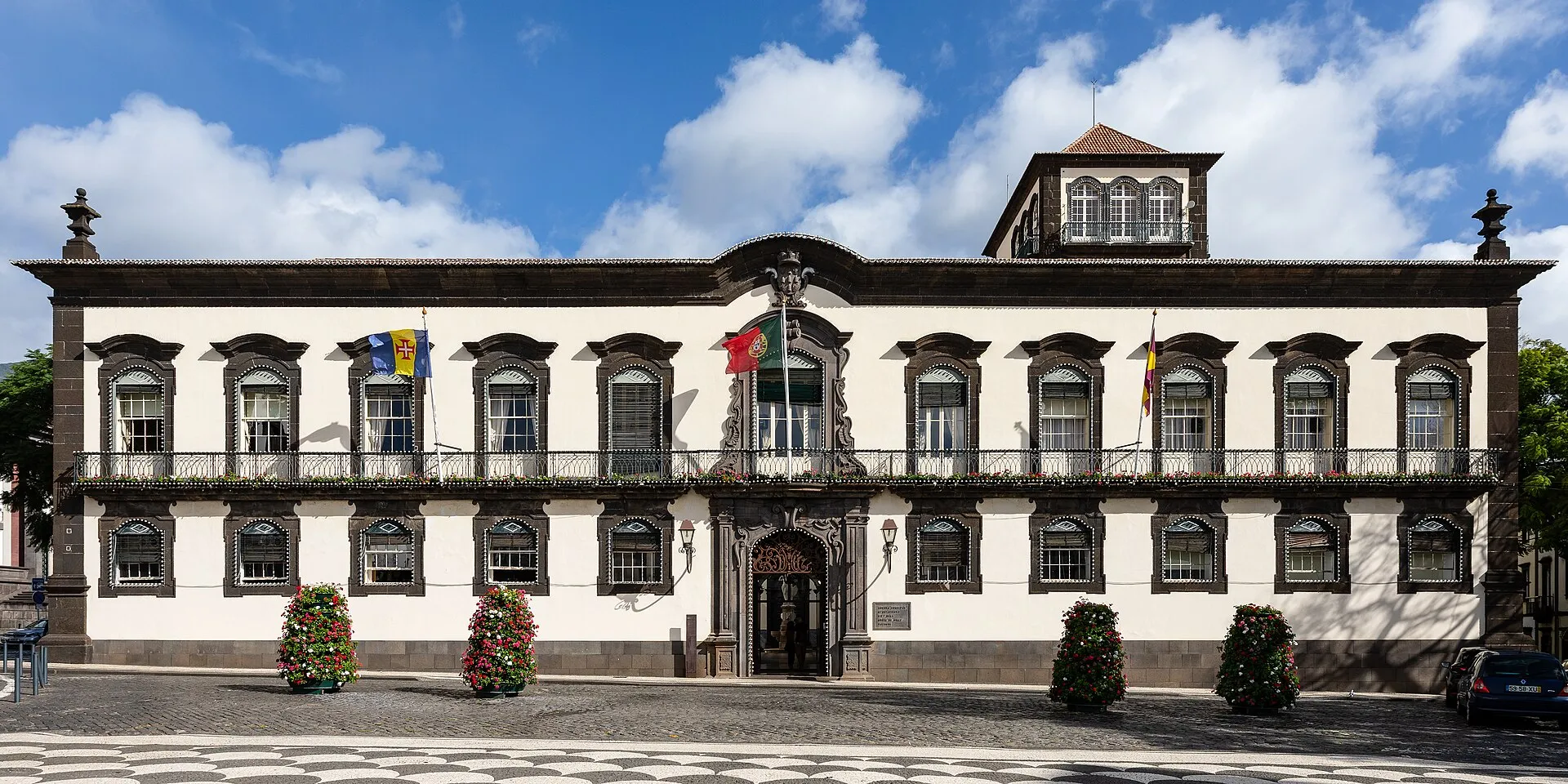
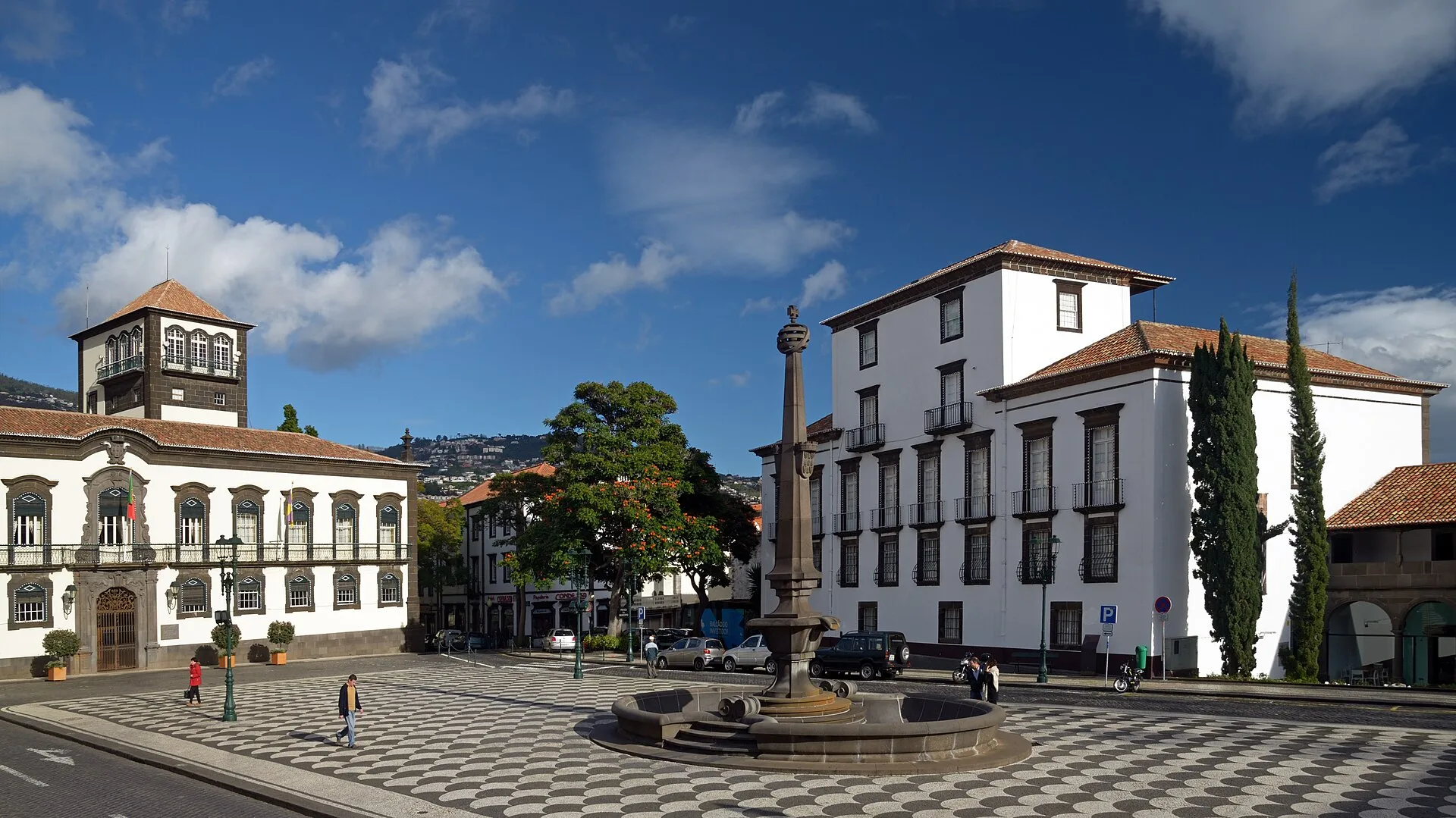
Funchal, on the south coast, is the capital of Madeira and its main tourist, cultural and commercial centre. It is also where many visitors begin to understand the island beyond its landscapes: through markets, gardens, architecture, museums, seafront promenades and seasonal events. Set in a bay and closely connected to the coast and surrounding hills, Funchal serves as a practical base for many different kinds of holiday.
The city’s event calendar reinforces Madeira’s festive reputation. Tourist promotion highlights Carnival, the Flower Festival, the Atlantic Festival, the Wine Festival, the Nature Festival and the Christmas and New Year season. These events show that the island is not only a nature destination, but also a place where local culture, traditions and annual celebrations are strongly woven into tourism.
Madeira as a holiday destination
As a holiday destination, Madeira stands out for the combination of accessibility for short or longer stays, varied scenery and strong outdoor activity potential. Visitors can move between mountain and sea, between walking routes and urban strolls, and between protected landscapes and historic areas. That range makes the island suitable for different travel styles: relaxation, nature, hiking, photography, gastronomy, landscape appreciation and cultural discovery.
At the same time, the island rewards careful reading of the terrain. Relief and microclimates mean that conditions can be excellent in one area while another is cloudy, windy or damp. This variety is part of Madeira’s appeal and helps explain why many travellers return: the island offers different experiences depending on the season, altitude and coast chosen.
The wider archipelago
Although this article focuses on Madeira Island, it is worth situating it within the wider archipelago. Porto Santo, for example, has its own identity and is known for its golden sandy beach, while the Desertas and Selvagens are islands of high natural value. Taken together, these islands reinforce Madeira’s image as an Atlantic archipelago where tourism, conservation and landscape are closely intertwined.
For anyone planning holidays in Madeira, the key point is that the island cannot be reduced to one single kind of experience. It is mountain and ocean, city and forest, natural heritage and everyday life. It is that layering — geological, ecological and cultural — that makes Madeira such a distinctive destination in Portugal.