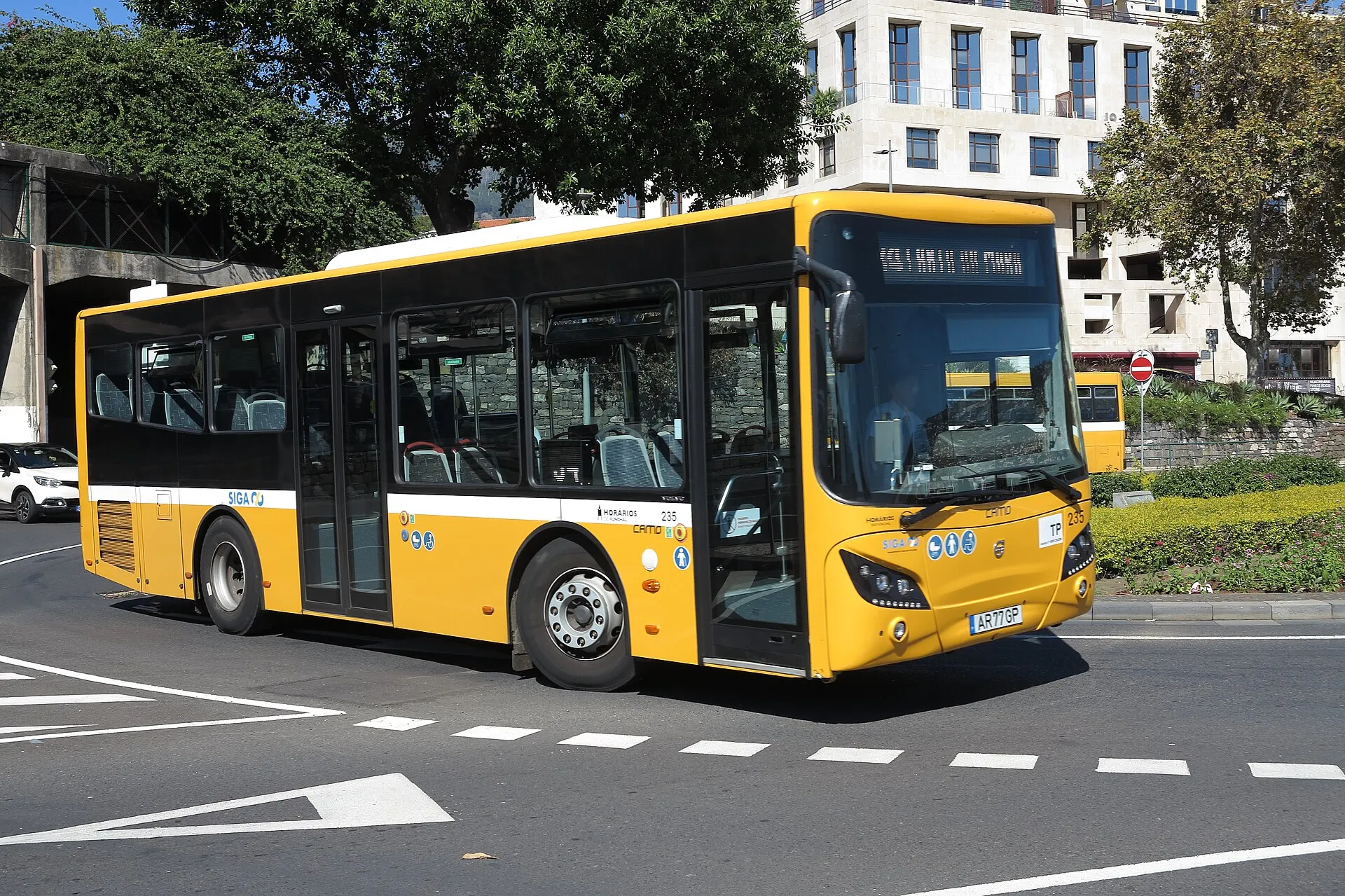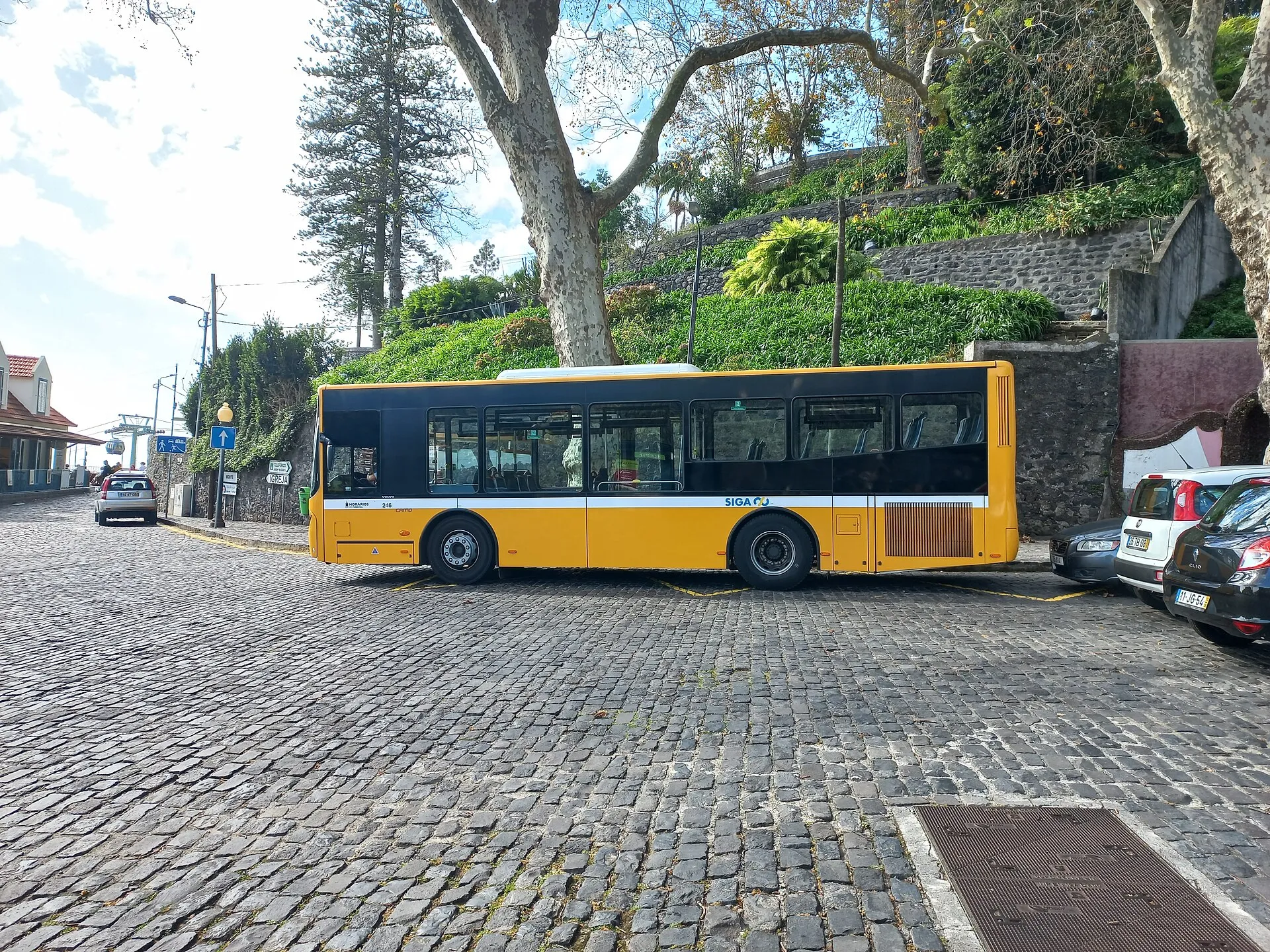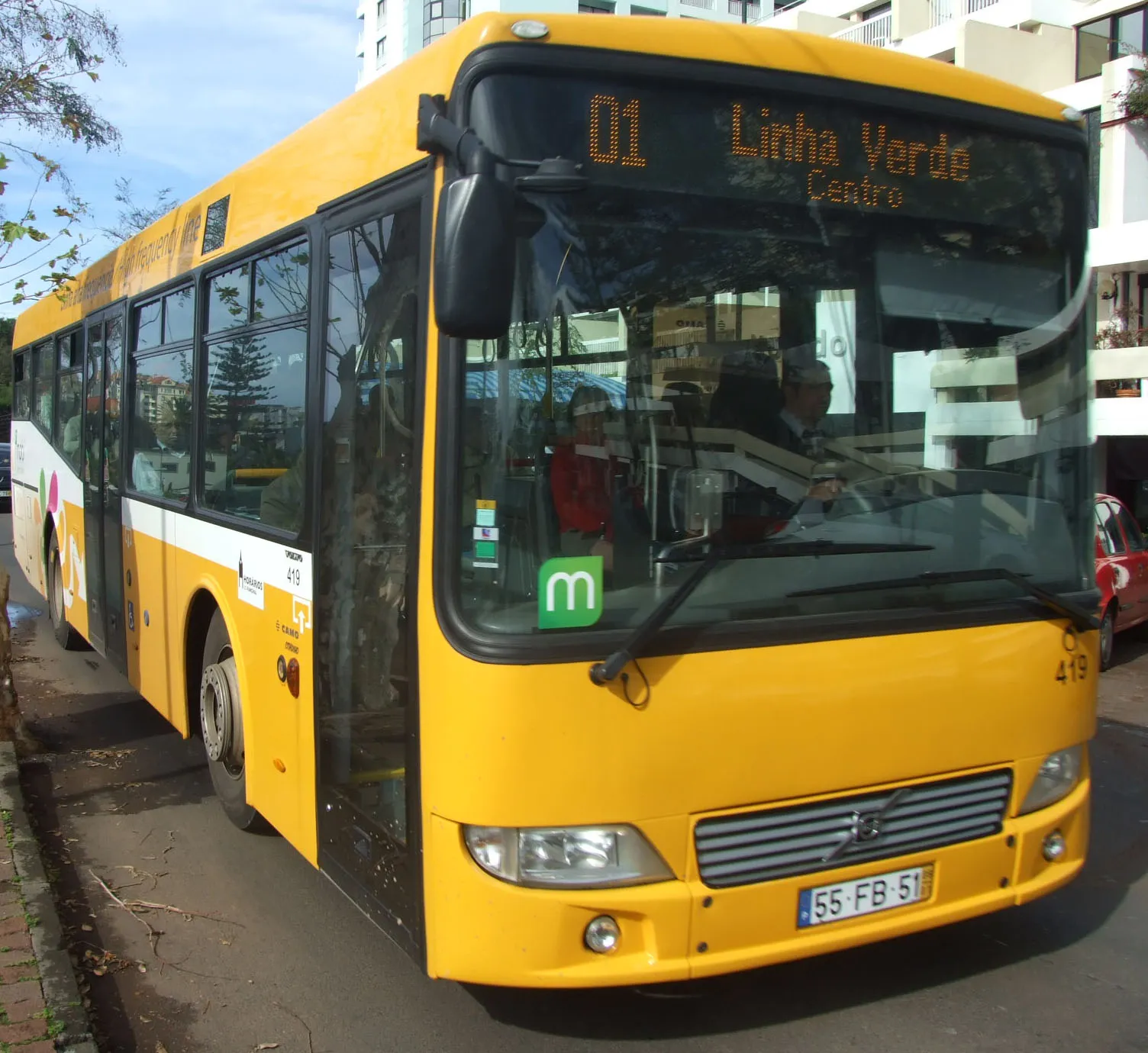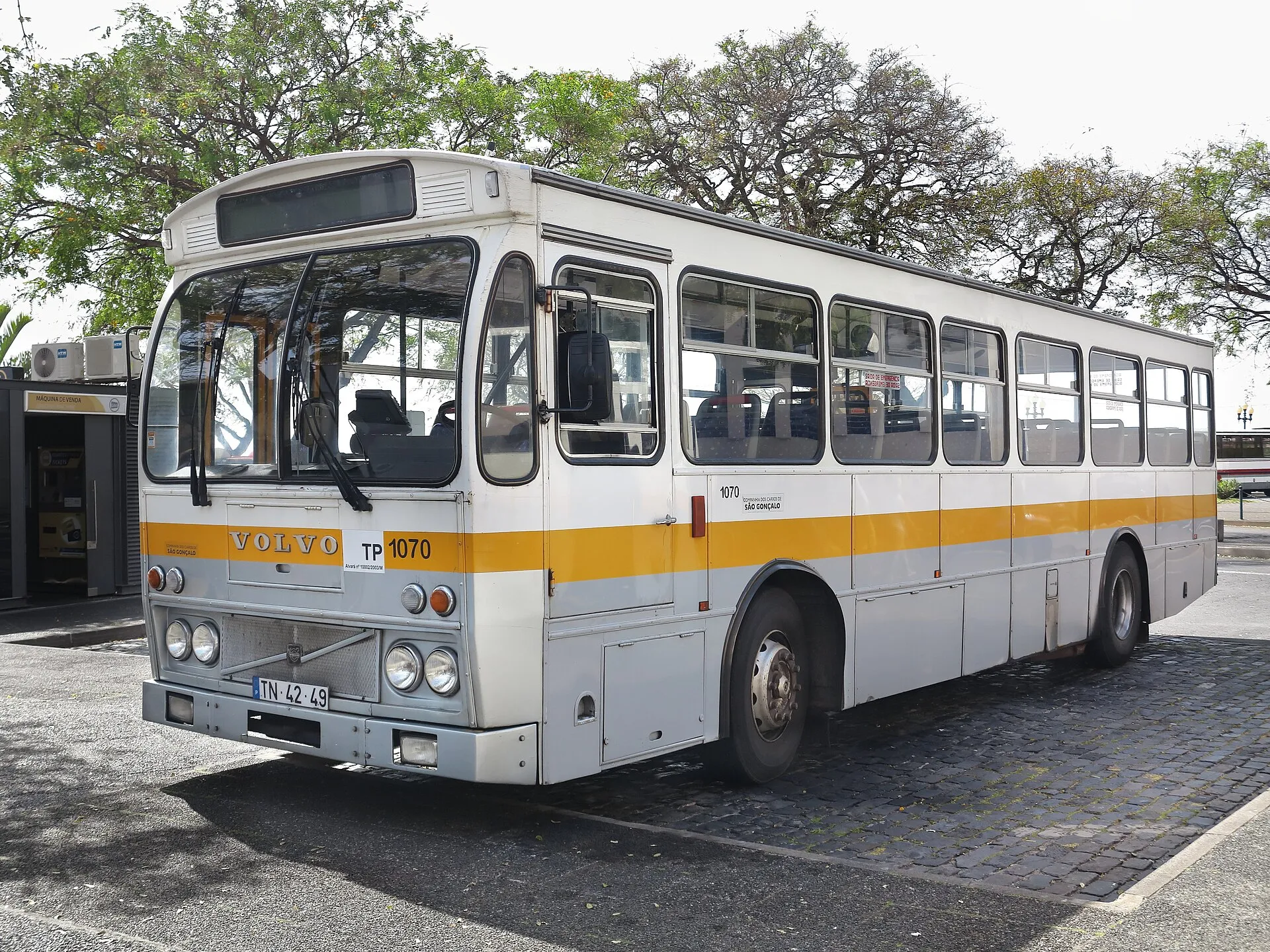

What “Horários do Funchal” means
The phrase “Horários do Funchal” is often used as a shorthand for bus timetables in Funchal, but it also names the company that operates a very important part of the municipality’s public passenger transport. Horários do Funchal — Transportes Públicos, S.A. presents itself as the entity responsible for mobility services in Funchal and provides information about its activity, contacts, and official channels. For residents and visitors alike, the term therefore has a dual meaning: it is both an institutional name and a practical way of searching for routes, departures, and service patterns.
That everyday use explains why the phrase is so frequently searched. In practice, people who look up “Horários do Funchal” usually want to know where to check official timetables, which line to choose, what stop to use, or what time a specific bus runs. The topic is easy to state, but it depends on precise information, because schedules vary by route, direction of travel, day of the week, and any operational adjustments in force.
Who the company is
According to the company’s own institutional information, Horários do Funchal dates back to 1986 and its current form resulted from a merger completed on 31 December 1999, after the integration of several interurban transport and tourism-service companies. The company defines its mission as providing people with the best mobility service, with quality and punctuality, in the municipality of Funchal. This background helps explain why the brand is so closely associated with everyday life in Madeira’s capital and, at the same time, with links that extend beyond the city centre.
The same institutional page also highlights concrete adaptations to local conditions. The company states that it created a PMR service for people with reduced mobility and introduced 4x4 buses adapted to the difficult topography of Funchal’s higher areas. This matters because public transport in Funchal cannot be understood without considering the steep slopes, hillside neighbourhoods, and sharp changes in elevation that shape how the network is organized and how vehicles are deployed.
Size and structure of the network
On its website, the company lists figures that help show the scale of the network: 74 routes in total, including 62 urban routes and 12 interurban routes, 2,820 stops, 433.5 kilometres of network length, and 18,897,302 passengers transported. These numbers show that Horários do Funchal is not a small local operator, but a mobility infrastructure with broad coverage within the municipality and a reach that extends to nearby areas. The important point is that the network should not be reduced to the historic centre or main avenues alone; it is a wider web of services that reaches residential districts and interurban links as well.
In practice, that means passengers encounter different kinds of service. Some routes are primarily urban, designed for movement within Funchal, while others connect the centre with outlying districts or other parts of the island. There are also lines whose names make the relationship between central areas and specific destinations explicit. This diversity is exactly why timetable consultation needs to be careful and line-specific rather than based only on the company’s name.
Where to check official timetables
The Institute of Mobility and Transport, IP-RAM, states that the official sources of information on public transport in the Autonomous Region of Madeira are the SIGA website, GIRO, and the official channels of each concessionary operator, including social media accounts. This guidance matters because it discourages reliance on unofficial pages, outdated screenshots, or informal social-media posts. If the goal is to know an exact departure time, the correct source is always the official one.
SIGA provides a timetable page with Horários do Funchal routes and displays the lines and their route names. Examples visible on the platform include Centro - Ponta da Laranjeira, Centro - Ponta da Cruz, Centro - Amparo, Centro - Álamos, Funchal - Camacha, and Funchal - Santo da Serra. The page is organized by route, which helps users identify the correct line before looking up a specific departure. In practical terms, this means the right sequence is: identify the route, then confirm the timetable, direction, and stop.
The company’s own website also says that it makes service information available through multiple platforms. That institutional presence across channels is useful, but it does not replace checking the timetable at the time of travel. Temporary disruptions, works, events, or operational changes can alter service from one day to the next. For that reason, the safest rule remains the same: confirm the route, the direction, and the stop through an official channel before setting out.
How to read a route correctly
Anyone looking up bus timetables in Funchal benefits from careful reading. A route may have several endpoints, variants of the same corridor, different frequencies on weekdays, Saturdays, Sundays, and holidays, or temporary adjustments. In addition, a timetable shown for one direction is not automatically valid for the return direction. This distinction is especially important in a network with many similar corridors, as in Funchal, where the same area can be served by lines with close names but different destinations.
It is also useful to remember that the existence of a line does not mean the bus serves every stop in an area with equal frequency. Passengers should confirm the exact stop and read the full line name, especially where alternative services cover different parts of the same urban axis. Rather than searching only for “the bus to the centre” or “the bus to the upper area,” it is better to locate the official route and then check the published timetable for that service.
Why the company matters to residents and visitors
In everyday life, Horários do Funchal is a structural part of mobility in the city. For residents, the network supports regular travel between neighbourhoods, housing areas, service zones, and interurban connection points. For visitors, it is one way to reach different parts of the city and municipality without relying on private transport. The company therefore plays a central role in how the city functions, not just because it carries passengers, but because it shapes movement patterns and connects places that would otherwise be less accessible.
That role is even more significant in a territory like Funchal, where geography strongly affects mobility. Steep gradients, dispersed neighbourhoods, and the contrast between lower and higher areas make bus operation a constant exercise in adaptation. The company’s reference to the PMR service and 4x4 buses shows that the network was built to respond to real mobility needs in a demanding environment. So when someone searches for “Horários do Funchal,” they are usually looking for much more than a timetable: they are looking for a practical way to move around a complex urban territory.
A practical way to use the information
The most sensible way to use the information is to follow a simple sequence. First, identify the right route; then confirm the direction of travel; next, check the exact stop; finally, consult the official timetable on the day of travel. This reduces mistakes and avoids confusing similar routes. It also makes clear that transport information is dynamic: even when a route is permanent, its times may change over time.
In short, “Horários do Funchal” is both the name of a company and a common practical expression. It refers to the bus network that serves Funchal and part of the island, to its official information channels, and to the need to verify the correct service every time. For anyone trying to travel confidently in Madeira’s capital, institutional information is the safest starting point and the best way to interpret the available timetables.
Territorial context
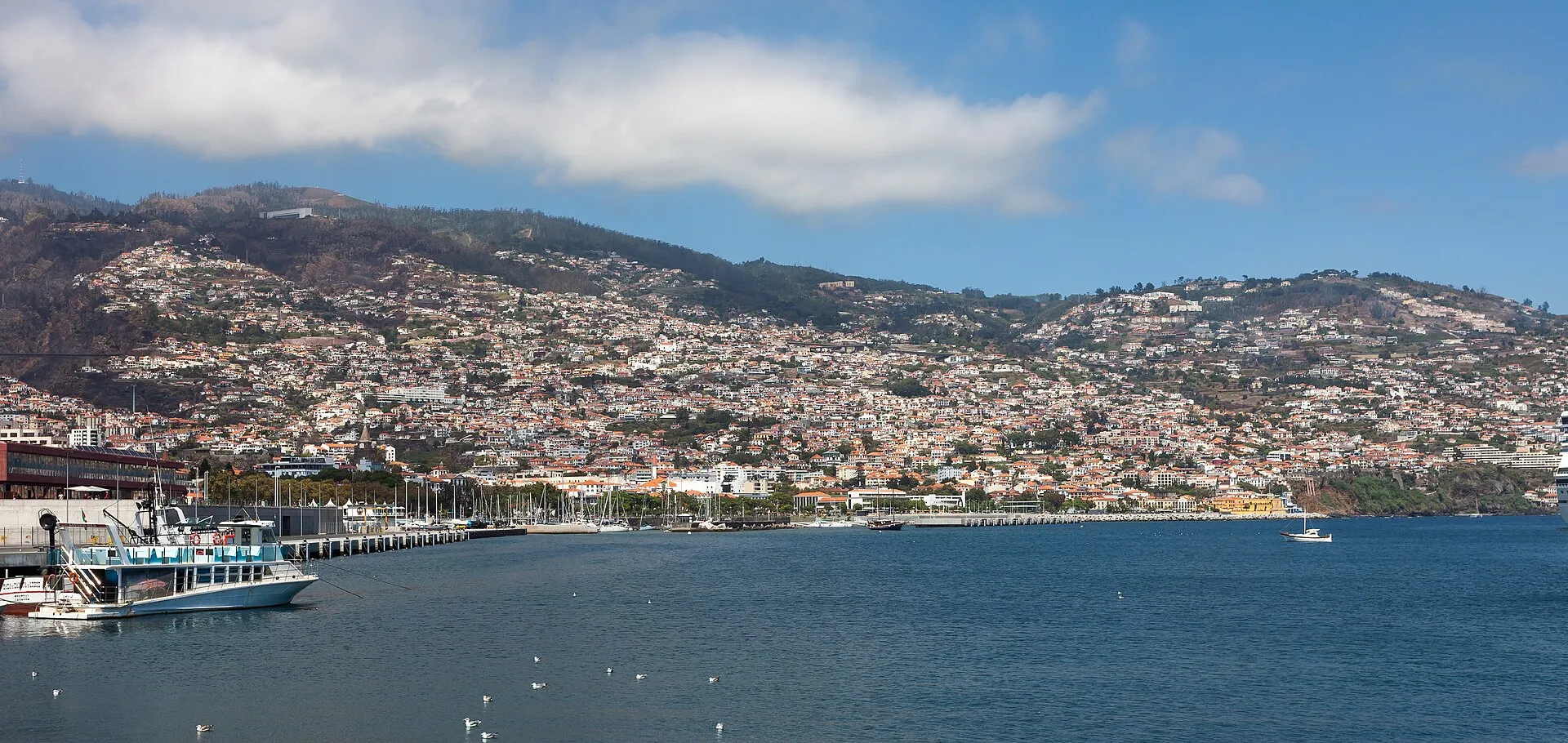
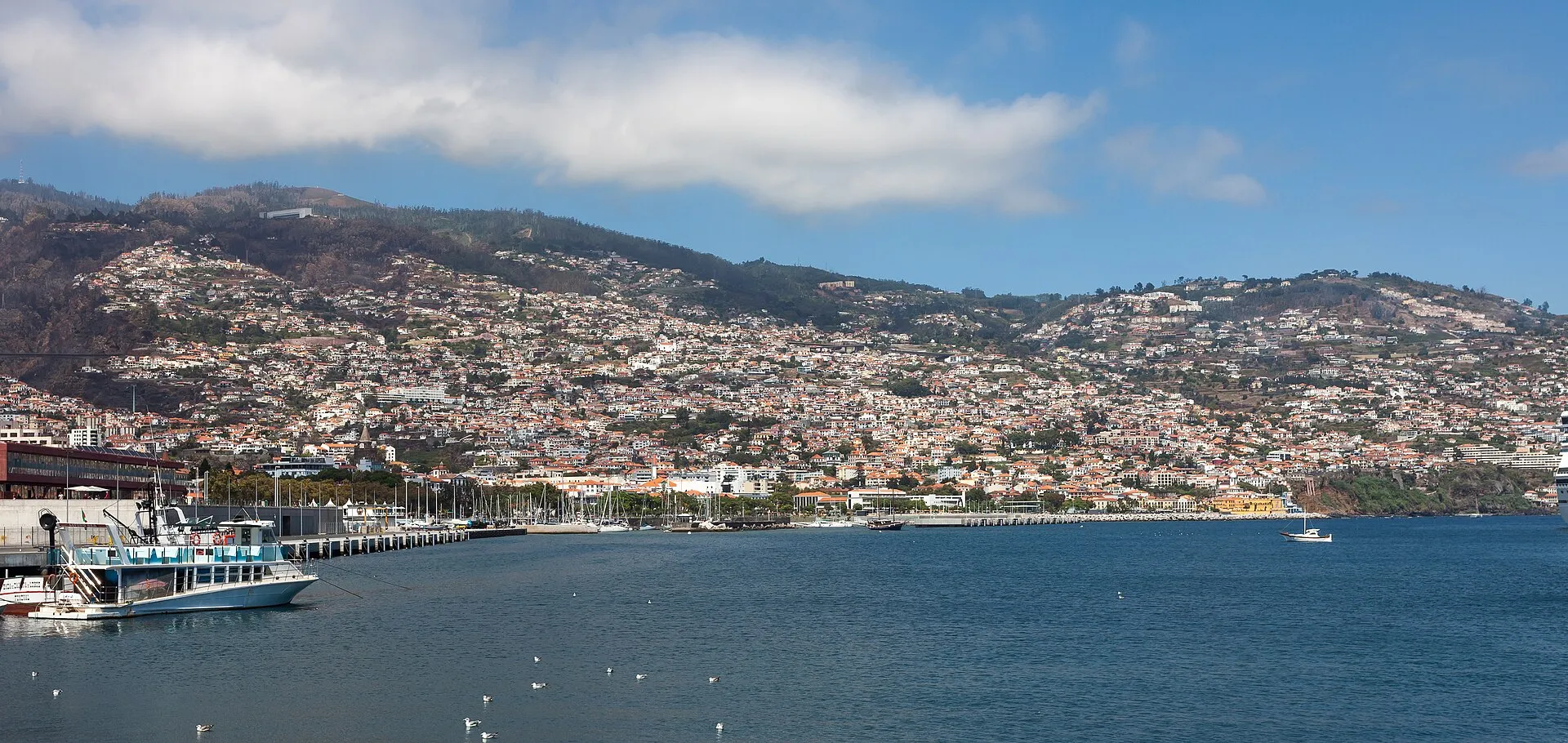
Horários do Funchal should be understood within the wider context of Madeira and, especially, the municipality of Funchal. The combination of urban concentration, difficult topography, and the need for frequent links explains the coexistence of urban and interurban routes, as well as the adaptation of vehicles to steeper areas. The network is therefore a reflection of the territory it serves: compact, but demanding; close-knit, but technically complex.
This relationship between territory and mobility helps explain why “Horários do Funchal” is such a common search term. It is not only about knowing when a bus arrives; it is also about finding one’s way through a transport system that structures local life. The company, its official channels, and SIGA together provide the most reliable starting point for that search.