
Overview
Madeira Airport is the main airport in the Autonomous Region of Madeira and the island’s most important air gateway. Its current official name is Madeira Cristiano Ronaldo International Airport, although Madeira Airport and Funchal Airport are still widely used. Functionally, it is the airport that carries most of the region’s air links to the outside world and plays a central role in island mobility.
Its importance comes from both the archipelago’s geography and the island’s economic structure. Madeira is a Portuguese volcanic archipelago made up of Madeira, Porto Santo, Desertas, and Selvagens, and the regional capital, Funchal, is on Madeira Island. In that context, the airport is more than a transport facility: it is a structural element in the relationship between the region, mainland Portugal, and the international markets that support much of the movement of residents and visitors.
Location and geographic setting
The airport is located in the municipality of Santa Cruz, on the eastern side of Madeira Island, about 16 km from Funchal. ANA describes the site as a narrow coastal strip bounded by the Atlantic Ocean to the south and east, on land that was previously used for crops and banana plantations. That location helps explain why the airport is often described as one of Portugal’s most notable engineering feats.
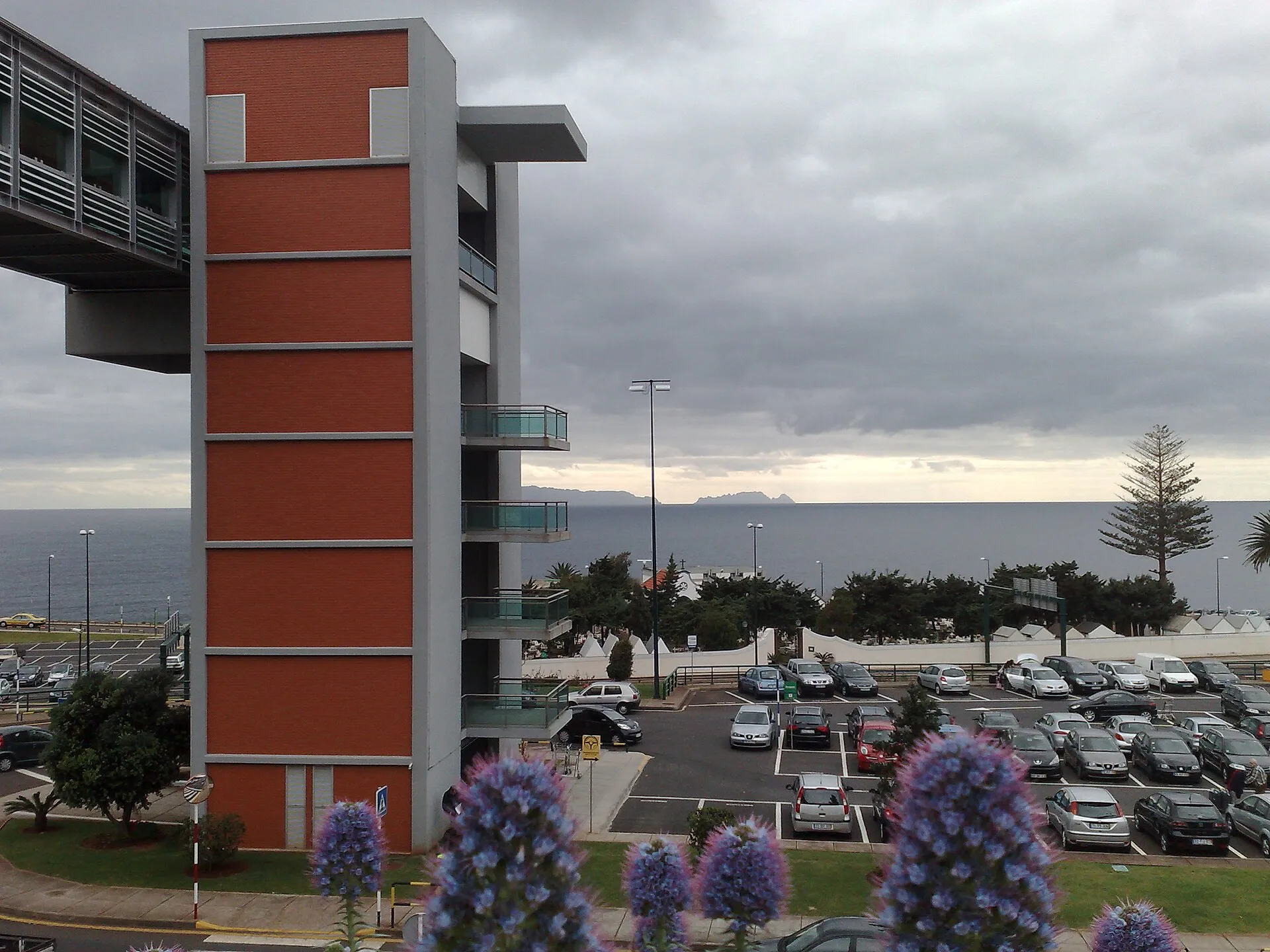
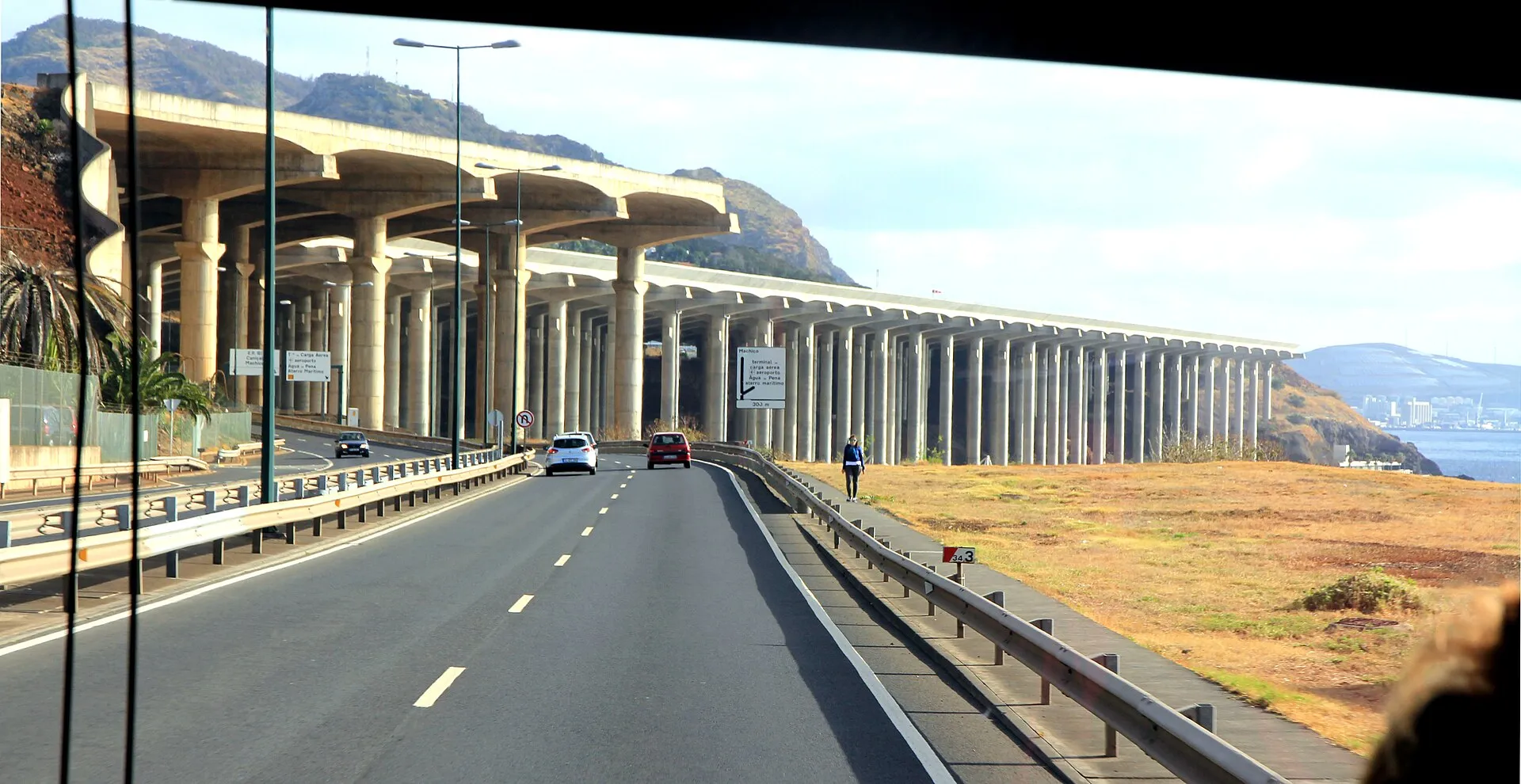
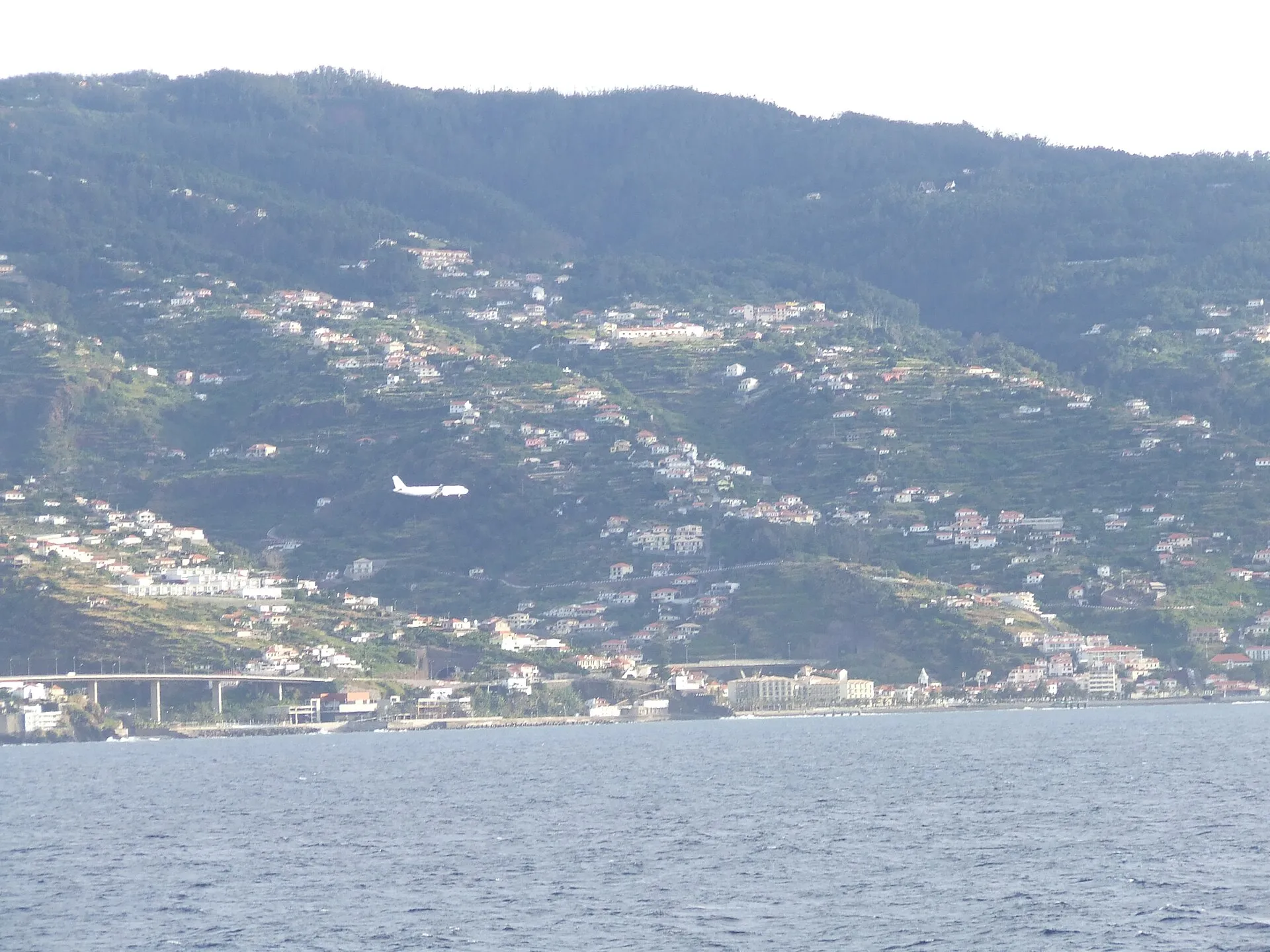
The physical setting is one of its defining features. The airport was built in a constrained space between the sea and the mountainside, on an island where the terrain is steep and usable land is limited. That geographic condition is essential to understanding how the airport evolved over time, as well as the continuing need for operational adaptation and for reorganisation of its technical and passenger-handling areas.
The Santa Cruz location is also relevant in territorial terms. Although the airport is commonly associated with Funchal because the city is the regional capital and the main destination for most travellers, administratively it belongs to another municipality and serves the island as a whole. In practice, it is a regional, insular, and archipelagic infrastructure whose function extends beyond any single city.
History and inauguration
The airport was inaugurated in 1964. ANA marked the infrastructure’s 60th anniversary by referring to the inaugural flight on 8 July 1964, when a TAP Super Constellation from Lisbon landed there. That date marks the formal start of commercial operation and places the airport’s origin in a period when Madeira was seeking stronger external links by air.
Over the following decades, the airport went through several phases of expansion and improvement. Tourism growth, the need to expand connectivity, and the technical demands created by the coastal site all led to successive interventions in the infrastructure. Historically, the airport represents Madeira’s transition into much heavier reliance on commercial aviation, becoming a key part of the region’s economic development and external openness.
The sources consulted also show that the infrastructure underwent especially visible upgrades in the terminal and commercial areas. VINCI Airports refers to the opening in 2016 of a new 1,800-square-metre retail gallery, together with renovated check-in counters, new departure gates, and improved border-control areas. The modernisation was presented as a way to optimise space and improve the passenger experience.
Runway, terminal, and operating characteristics
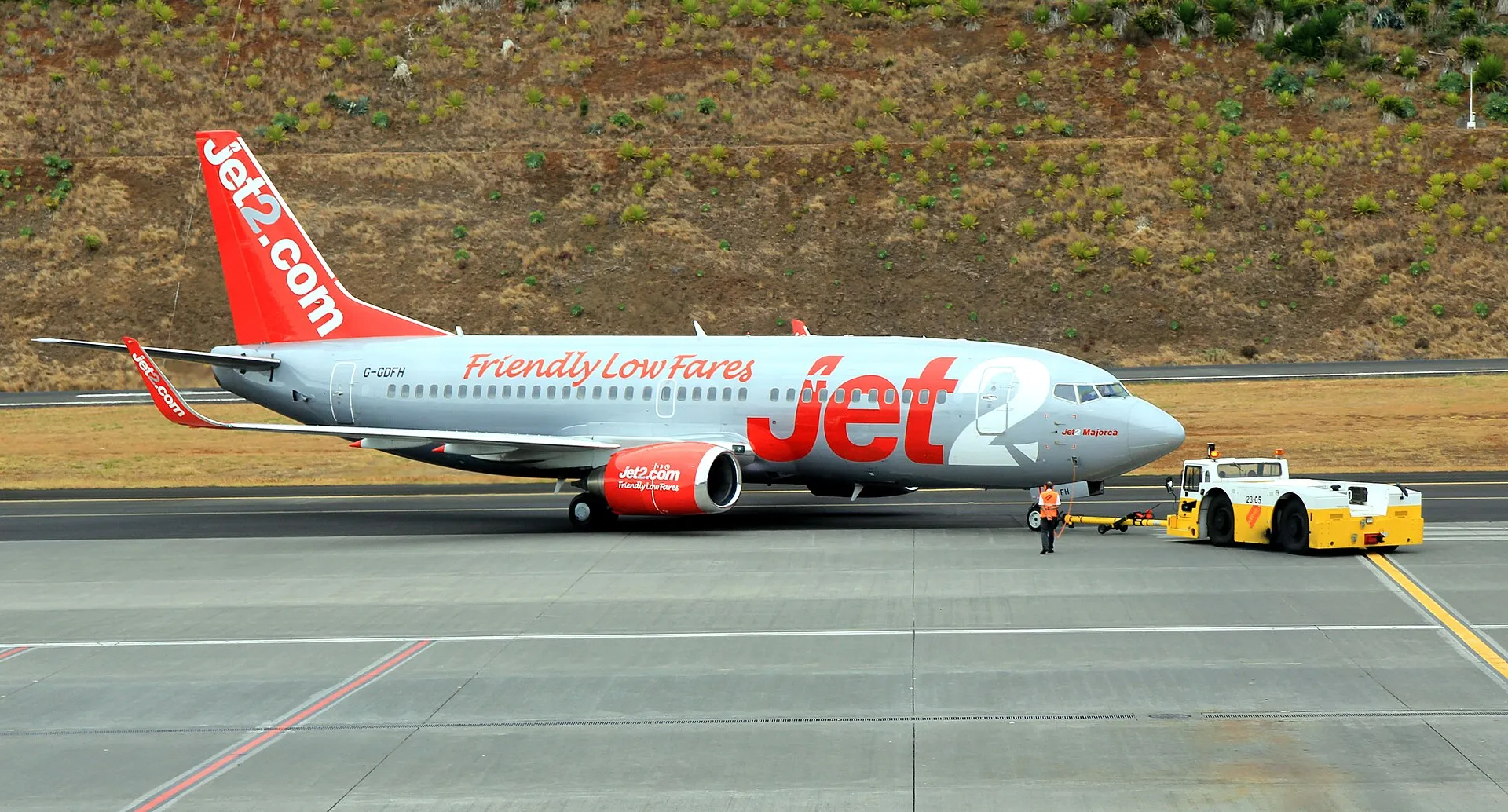
Madeira Airport has a single runway measuring 2,781 metres. This matters because it shows that, despite the physical limits of the site, the infrastructure reached a scale suited to its role as the region’s main airport. The runway and terminal support scheduled commercial flights, with particular importance for links to Europe and for the region’s territorial continuity.
According to ANA, Madeira Airport is Portugal’s fourth airport by passenger volume and mainly serves the island’s tourism sector. That statement helps explain the demand profile: the airport depends not only on resident mobility but also on the flow of visitors arriving throughout the year. Its operation is therefore closely tied to Madeira’s tourism economy, while remaining equally vital for work travel, family travel, administration, and the supply chain that supports the region.
The terminal has evolved to meet those needs. The 2016 intervention is especially significant because it shows an attempt to adapt commercial and operational areas to rising traffic and higher service expectations. The works included a reorganisation of passenger services, new departure gates, and improvements to control areas, at a time when efficient passenger flow had become central to daily operations.
Why the airport matters for Madeira
In an Atlantic archipelago far from the mainland, aviation has a structural role. Madeira Airport is the main fast link between the island and external markets, offsetting the physical distance that separates the region from the rest of Portugal and from many of its principal source markets. It is also an instrument of territorial cohesion, because it facilitates resident travel, supports economic activity, and underpins the flow of goods that depend on short transit times.
The airport’s economic importance is closely tied to tourism. ANA explicitly notes that the airport mainly serves the island’s tourism sector. That means its performance is measured not only by transport function but also by how effectively it supports the sector that benefits most directly from air connectivity. In island destinations, the quality and regularity of air services have a direct influence on attractiveness, length of stay, and visitor volumes.
At the same time, the airport reinforces the contemporary image of Madeira as an internationally accessible destination. Its presence strengthens Funchal’s central place in the region’s economic and administrative life while linking the island to the rest of the archipelago and to the outside world. In practical terms, the airport functions as a tool of territorial integration rather than just a place of arrival.
Official name and common usage
The current official name includes Cristiano Ronaldo, a figure born in Madeira and widely associated with the region internationally. Even so, the traditional names Madeira Airport and Funchal Airport remain very common, especially in international communication and everyday travel references. This coexistence of names is not unusual for airports with strong geographic and tourism recognition.
In practice, the official and traditional names coexist because they serve different purposes. The official title formalises the infrastructure’s identity, while the older names preserve common usage, especially for people who associate the airport with the regional capital or with the island as a destination. That dual naming helps explain why the airport appears under different labels in maps, guides, and travel documents.
Modernisation and recent development
One of the airport’s defining characteristics is its capacity to adapt. The 2016 modernisation highlighted by VINCI Airports added a new retail gallery and several functional improvements in the terminal. These works did more than change the airport’s appearance; they responded to heavier traffic, changing circulation requirements, and the need to provide more varied services in an airport under strong seasonal and logistical pressure.
The sources also highlight the environmental dimension of recent airport management. VINCI Airports notes that the airport obtained ACA 4+ certification in 2023 and later reached level 5 of the Airport Carbon Accreditation programme at the end of that year, showing the growing importance of emissions management and environmental efficiency in contemporary airport operation. Although these elements belong to management rather than to the airport’s core transport function, they help place the airport within the broader modernisation of the sector.
Another relevant point is ANA’s description of the airport as one of the biggest engineering achievements in Portugal. That assessment fits the site’s geography: a large, functional airport set on a narrow coastal strip between steep slopes and the ocean. The engineering of the place is therefore inseparable from its history.
Relation to the archipelago and distinction from other airports
Madeira Airport should not be confused with Porto Santo Airport, which serves the archipelago’s other inhabited island. Both are part of the region’s airport network, but the airport on Madeira Island handles most traffic and carries the main economic weight. That distinction is important for understanding how mobility is organised across the archipelago and how functions are distributed between the islands.
Seen as a whole, the airport reflects Madeira’s dependence on commercial aviation and the way this infrastructure has become part of the region’s economic, tourism, and social development. Its history, location, and modernisation show how the island adapted to the connectivity demands of an Atlantic territory, while remaining constrained by the limits of its physical environment.
Reading the airport as a landscape
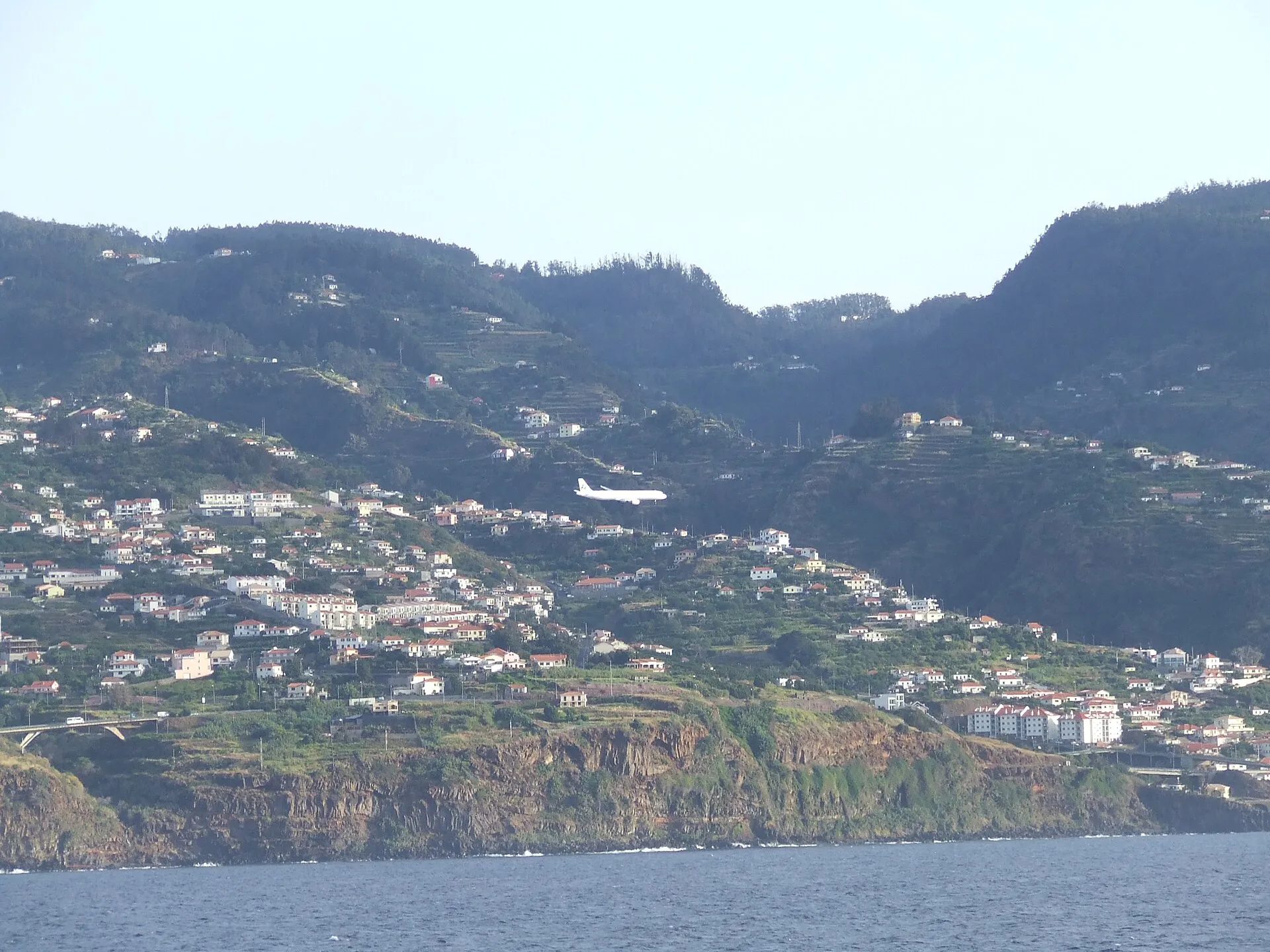
For many travellers, the airport is the first contact with contemporary Madeira. The approach reveals a place strongly shaped by topography, the sea, and the proximity of urban and agricultural areas. The combination of modern infrastructure and island scenery helps make arrival memorable, not because of promotional claims, but because the configuration of the site itself is distinctive.
That distinctiveness comes not only from ocean views. It also comes from the fact that the airport occupies land where space is scarce and every expansion has required complex technical solutions. It is this relationship between nature, engineering, and mobility that makes Madeira Airport an important case in Portuguese airport history and a highly visible symbol of the island’s connection to the wider world.