
Madeira: an island designed for exploring
Madeira is a Portuguese island in the Atlantic, shaped by steep mountains, dramatic slopes, and a highly distinctive natural heritage. That landscape explains why so many of the best things to do on the island begin with nature: hiking mountain trails, looking out over the coast from high viewpoints, visiting botanical gardens in a mild climate, and heading out to sea to look for dolphins and whales are among the most representative experiences.
When planning what to do in Madeira, it helps to think less in terms of isolated attractions and more in terms of complementary experiences. The island is not limited to Funchal, although the capital contains many of the best-known places to visit. The core appeal lies in the mix of city, central mountains, levada walks, Laurisilva forest, and the Atlantic Ocean that surrounds the archipelago.
1. Ride the cable car to see Funchal from above
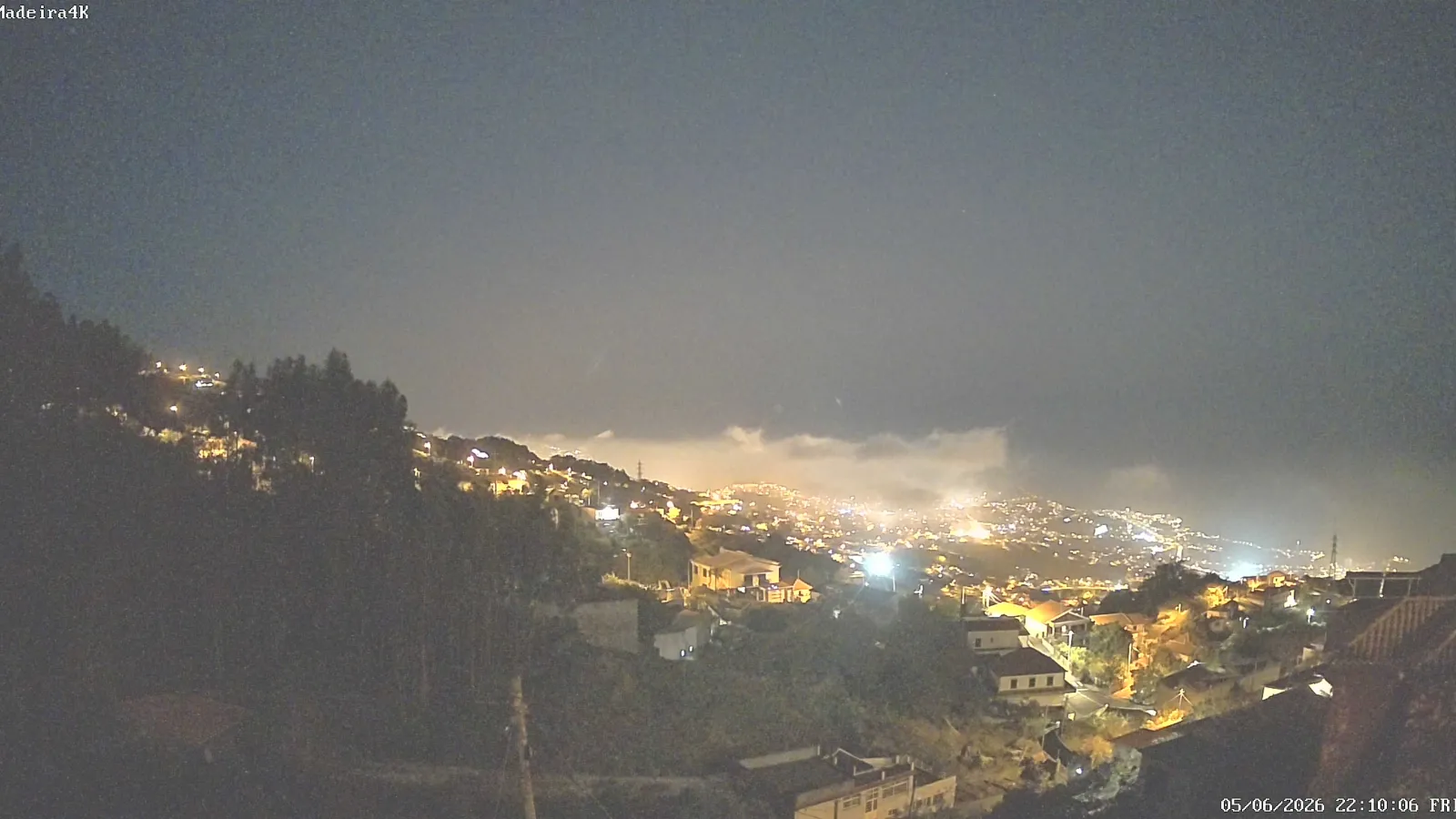
One of the most distinctive outings for first-time visitors is a cable-car ride in Funchal. The route links the lower part of the city with the parish of Monte and gives a clear sense of the capital’s geography: hillside housing, a green slope, the bay, and the sea. It is a strong first activity because it helps visitors understand how the city fits into the island’s terrain.
More than a practical transfer, the cable car works as a visual introduction to Madeira. For many people, its appeal is precisely the feeling of moving from the urban centre into a higher, quieter, greener zone without leaving Funchal.
2. Visit botanical and historic gardens
Madeira is famous for its gardens, and this is more than a postcard image. Several landscaped spaces on the island contain important botanical collections. The Madeira Botanical Garden in Funchal holds more than 2,000 exotic plants from all continents and also includes research and conservation areas. It is a rewarding stop for anyone who wants a calm visit, a close look at ornamental species, and a better sense of the island’s long relationship with botany and plant acclimatisation.
The gardens of Funchal and its surroundings also reveal another side of the island: Madeira as a place for slow walks, wide views, tropical planting, and spaces designed for lingering. Even for travellers who mainly come for active sightseeing, these gardens often become welcome pauses between more strenuous outings such as mountain hikes.
3. Go hiking and walk the island’s trails
If there is one activity that defines Madeira for many travellers, it is walking. The island’s official trail information presents it as an ideal hiking destination thanks to its mountains, ocean views, forests, waterfalls, and viewpoints. Trails can be short and accessible or more demanding, but their appeal often lies in the landscape itself: steep slopes, dense vegetation, deep valleys, and open horizons.
Madeira’s walking routes are especially valuable because they allow visitors to see the island from within. Instead of only a coastal experience, walkers enter highland areas, cross wooded zones, and observe the terrain at close range. Hiking is also a good way to understand how the island historically depended on water channels and local circulation routes linking different parts of the terrain.
4. Explore the Laurisilva, a UNESCO World Heritage forest
One of the most important natural experiences in Madeira is seeing the Laurisilva, the relic forest recognised by UNESCO as a World Heritage Site. It is the largest surviving area of this laurel-forest type and has exceptional ecological value, including many endemic species from Madeira. UNESCO also highlights the forest’s role in the island’s hydrological balance.
In practice, that means a visit to Laurisilva-related areas is not just scenic. It is an encounter with an ecosystem that helps explain Madeira’s natural identity. For travellers interested in nature, biodiversity, or landscape photography, it is one of the island’s central experiences.
5. Go to the mountain viewpoints
Madeira has several high points with broad views over the central mountain range, the ocean, and, in clear conditions, neighbouring islands. Pico do Areeiro is one of the best-known. At 1,818 metres above sea level, it is one of the island’s highest points and offers a particularly striking view of Madeira’s mountainous interior.
A viewpoint like Pico do Areeiro is useful not only because of the scenery but because it helps visitors read the island. From there, the contrast between altitude and coastline becomes obvious, as does the relationship between the steep interior and the sea. At sunrise, weather permitting, the experience is even more dramatic.
6. Head out to sea for dolphin and whale watching
Madeira’s relationship with the sea is as important as its relationship with the mountains. One of the most popular marine activities is dolphin and whale watching. According to official Madeira tourism information, it is a year-round activity, supported by the island’s location and the richness of marine life in the region.
For many visitors, this becomes one of the most memorable experiences of the trip because it adds a completely different perspective to the island. Instead of seeing the landscape only from land, travellers experience Madeira from the ocean, which makes perfect sense in an Atlantic archipelago where the sea is always part of daily life and the character of the place.
7. Use Funchal as the cultural and scenic base
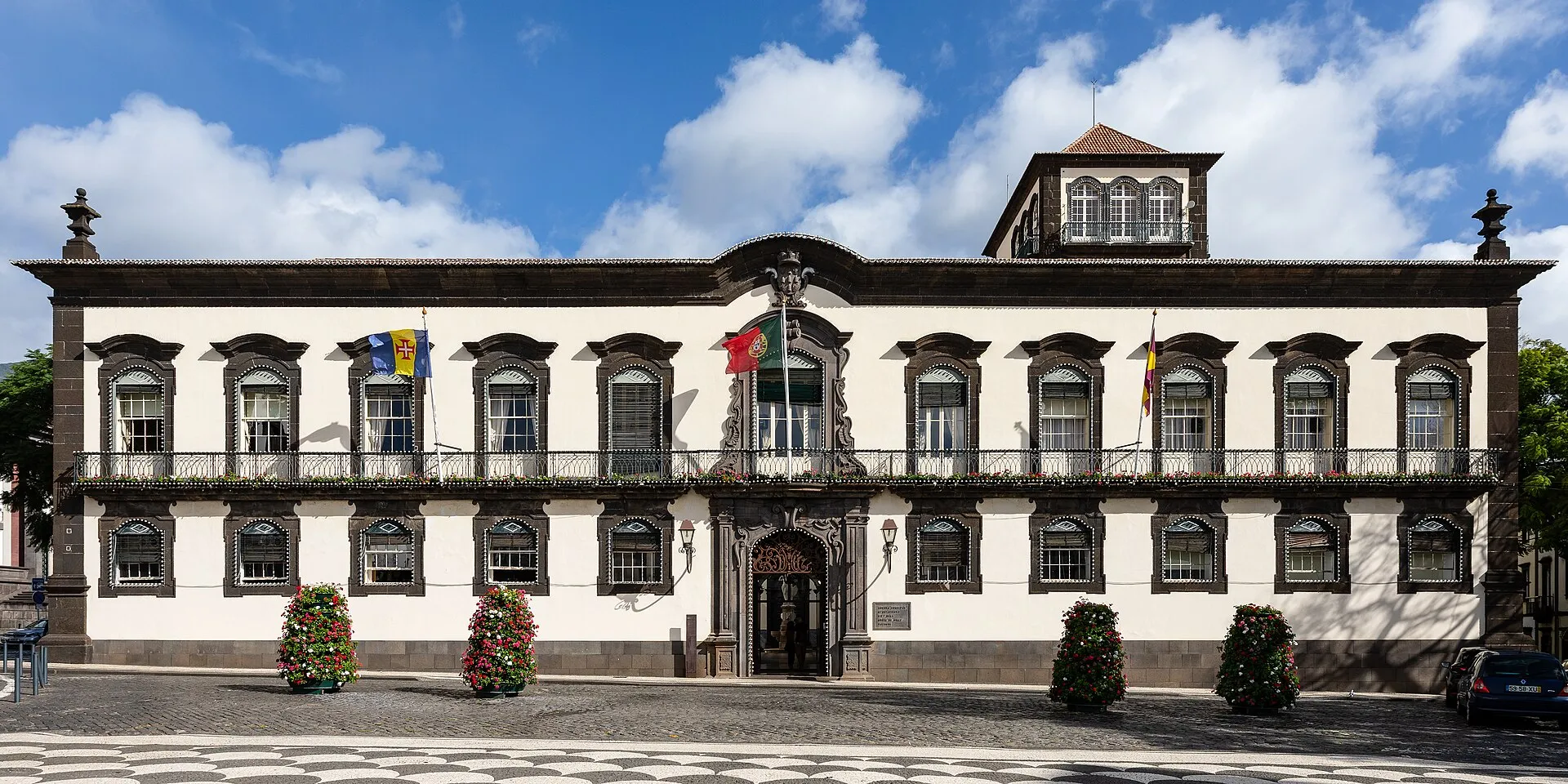
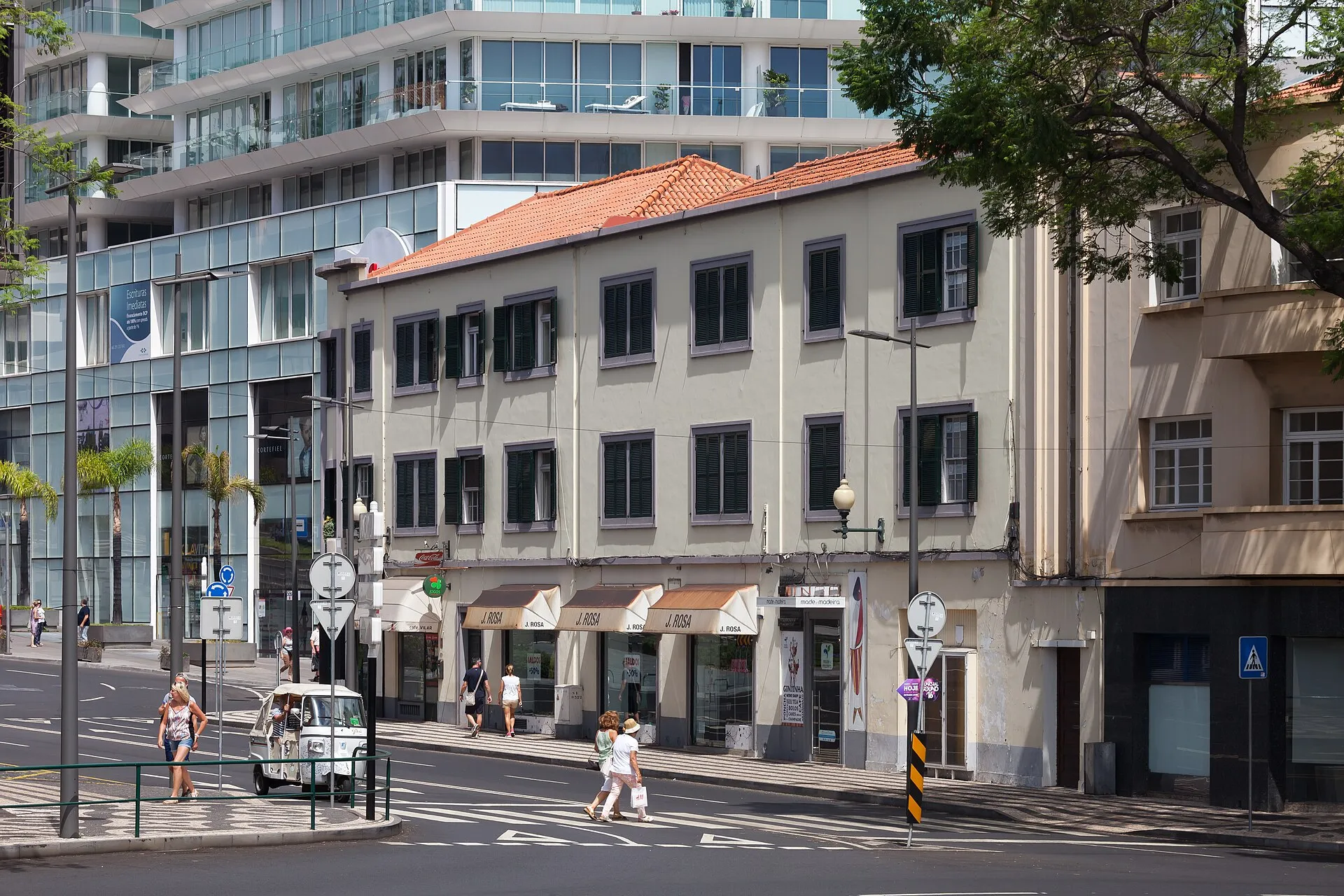
Funchal is Madeira’s capital and the archipelago’s main tourist, cultural, and commercial centre. That is why many itineraries begin or end here. The city works well as a base for exploring the island because it brings together services, access, gardens, cable cars, museums, and the natural connection between the sea and the mountains.
A visit to Funchal can be brief or extended, but it is worth treating it as part of the Madeira experience rather than just a starting point. Even when the main goal is to leave the city for mountain views or trail walking, Funchal provides context: it shows how the island organises itself around the south coast and how urban life coexists with very rugged terrain.
8. Understand the island to choose better activities
One reason Madeira offers such a wide range of things to do is its physical structure. It is a volcanic archipelago belonging to Portugal and includes only two inhabited islands: Madeira and Porto Santo. Madeira is the largest island in the group and holds most of the population and most of the tourist offer.
That context helps travellers choose more effectively. Nature-focused visitors usually prioritise hiking, levadas, Laurisilva, and viewpoints. People who prefer urban sightseeing can focus on Funchal, gardens, and cable cars. Those who want something different can make time for the sea and for cetacean watching. In most cases, the best experience comes from combining several of these activities into one itinerary.
9. An island that suits many types of traveller
Madeira is a strong destination for travellers interested in landscapes, photography, plant life, walking routes, and marine activities. It is also a place that rewards curiosity: the more visitors move between coast, city, and mountain, the more clearly they see the island’s diversity. It is not just somewhere to look at; it is somewhere to move through, climb, descend, and compare different environments within a relatively compact territory.
So when someone asks what to do in Madeira, the most useful answer is usually a combination: start in Funchal, head up to the viewpoints, include at least one walk, visit a botanical garden, and, if time allows, go out on the water. That way, the trip becomes more than a list of places and turns into a fuller reading of the island.