
What Madeira Wine Is
Madeira wine is a fortified liqueur wine made exclusively from grapes grown in the Madeira Demarcated Region, which includes the islands of Madeira and Porto Santo. Its legal and technical identity rests on a very specific combination of geographic origin, fortification, and ageing. According to IVBAM, it is a higher-alcohol wine obtained when the natural fermentation of grape must is stopped by adding neutral alcohol at 96% ABV.
That definition explains why Madeira wine belongs to the family of fortified wines and why it differs so clearly from other Portuguese wines. It is not just sweetness that sets it apart, but the way it is made, the influence of island geography, and the manner in which it develops over time. The result is a wine that can appear in many styles, yet still remains unmistakably Madeiran.
In regional usage, “Madeira wine” and “Madeira” are protected-origin designations for the same product. Production is confined to a small territory, but one with a long and active commercial history, which helps explain the strength of the wine’s international reputation.
A wine shaped by island geography
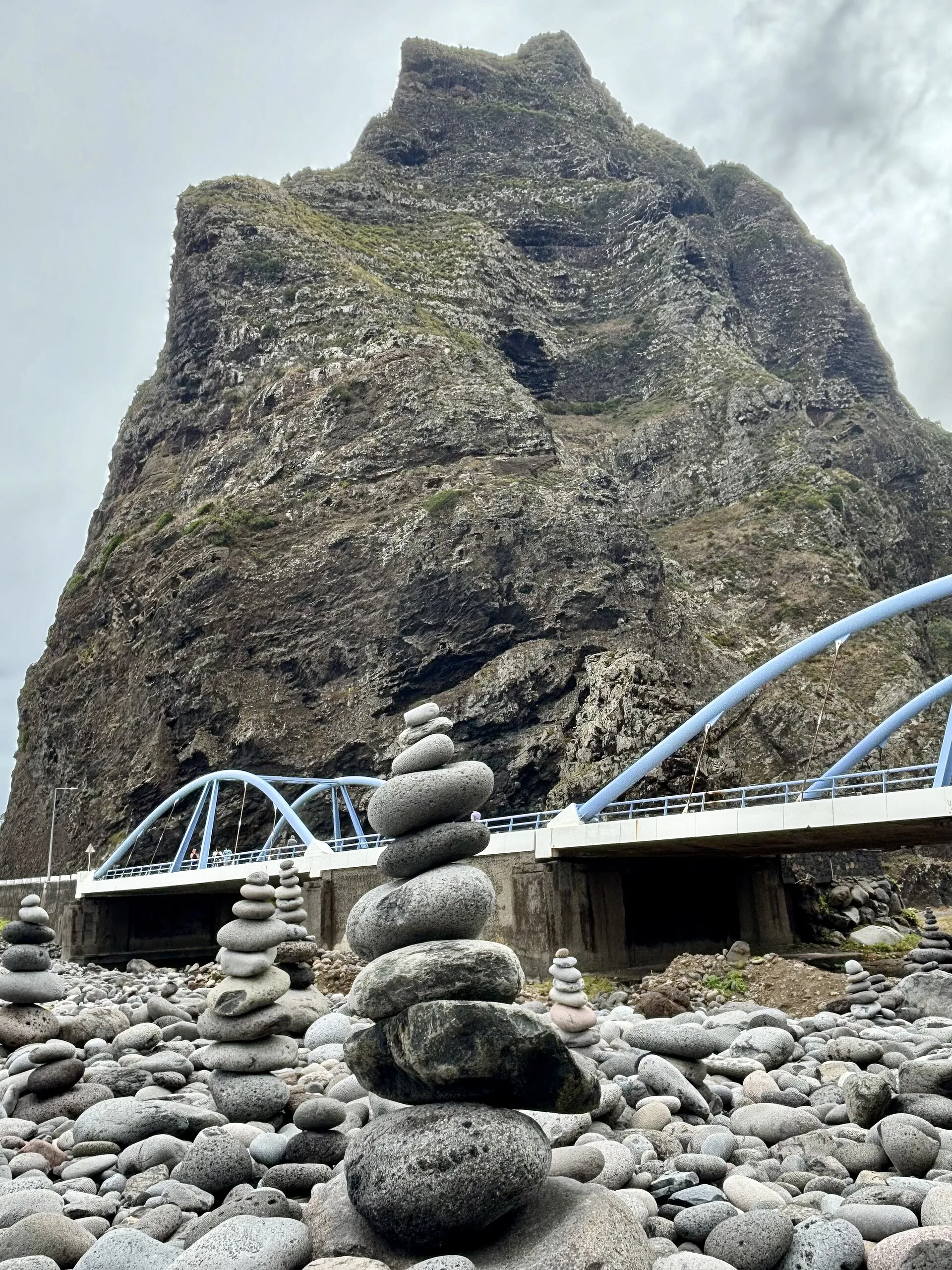
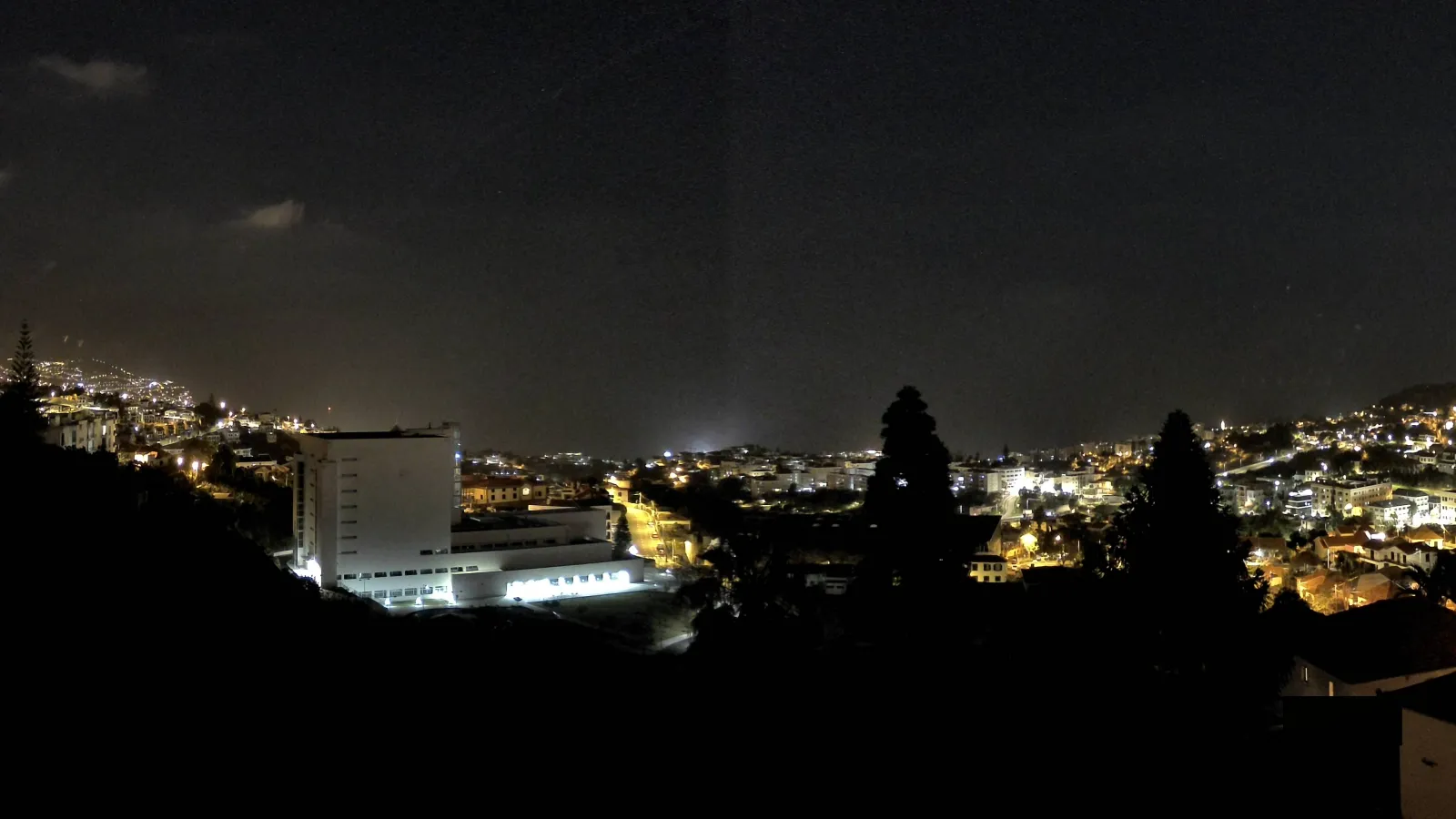
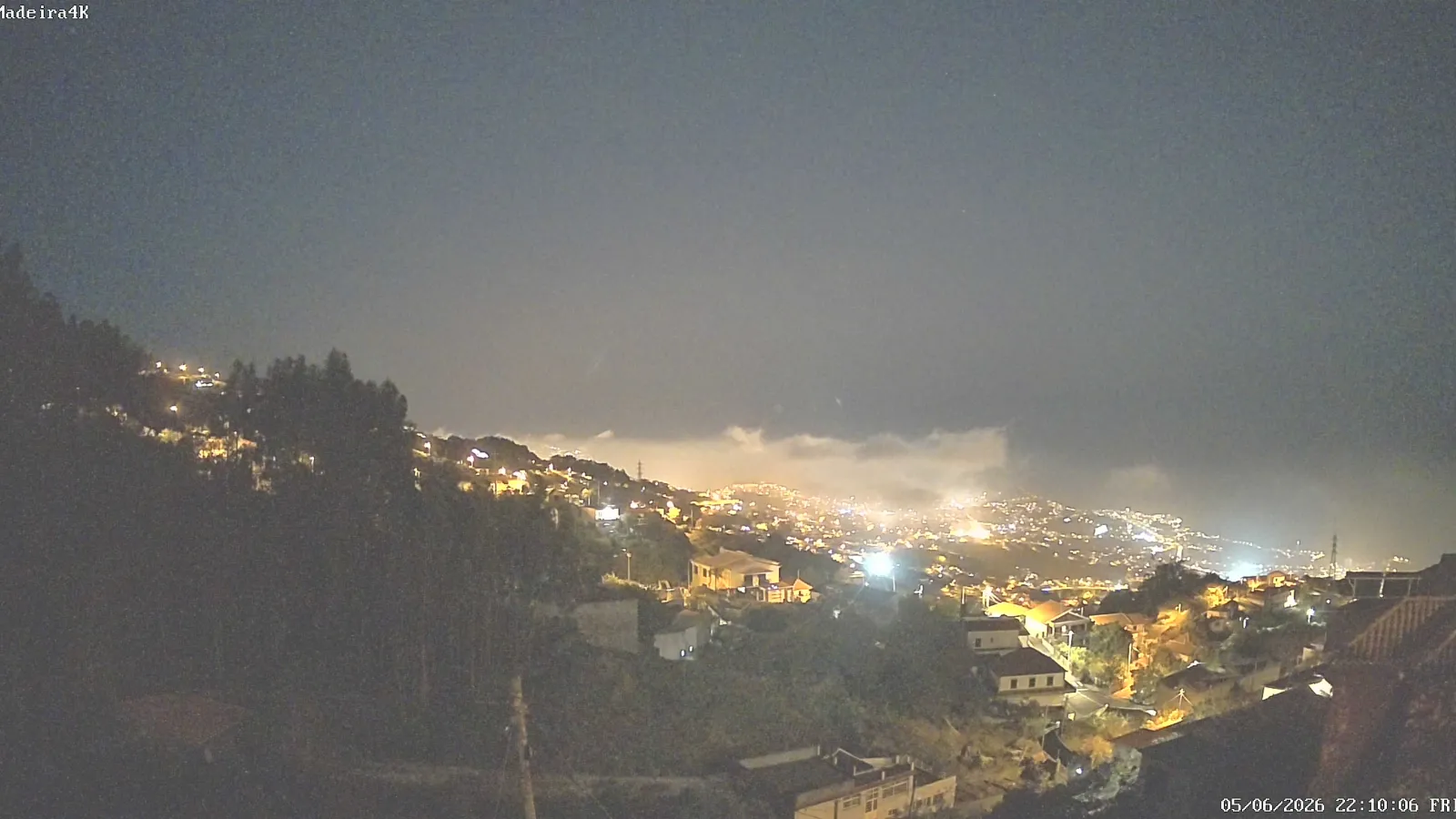
Madeira is a volcanic archipelago, and that geology is part of the wine’s identity. The vineyards associated with Madeira wine grow in volcanic soils and on very steep slopes, often in terraces. This kind of farming requires careful manual work and constant adaptation to the terrain. The vineyard landscape itself helps explain why the wine became such a symbol of Madeira: it is born from a difficult but productive geography.
The Atlantic climate and the islands’ insular setting also contributed to the wine’s character. Grapes ripen in a particular environment, and maritime transport played a decisive role in the wine’s history. The combination of climate, sea routes, and long voyages helped shape not only the wine’s fame, but also the production method that now defines it.
Historical origins and Atlantic reach
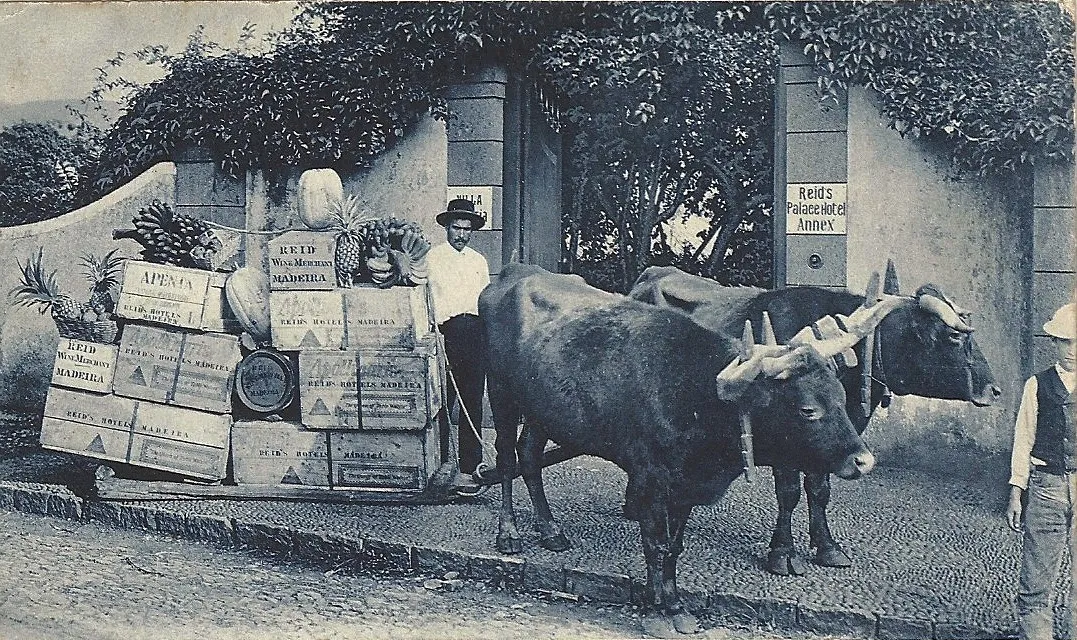
The sources consulted place Madeira wine within a history spanning nearly six centuries. IVBAM presents it as a deeply traditional product tied to the archipelago’s economic and cultural history. Visit Madeira notes that the wine was already being exported only 25 years after colonisation began. That timeline shows how early Madeira wine emerged as both a commercial product and an emblem of the island.
Over the centuries, the wine became closely linked to Atlantic trade routes. Britannica notes that Madeira was a regular stop on routes between Europe and the New World and that this helped the wine gain popularity in colonial America. The same source emphasises that the wine’s durability was central to its international prestige: it could survive long sea journeys better than many similar wines.
The historical references used by Madeira’s official tourism body also show how deeply the wine entered wider cultural memory. Its association with landmark moments in Atlantic history and with prominent public figures reinforces the image of a wine that travelled far beyond the archipelago while remaining tied to its place of origin.
How it is made and why it ages so well
Madeira wine is defined by fortification during fermentation. The grape must begins to ferment in the usual way, but the process is interrupted by the addition of neutral alcohol, which preserves some of the grapes’ natural sugars and raises the final alcohol content. This mechanism is essential to the wine’s technical definition and helps explain its structure, stability, and ageing potential.
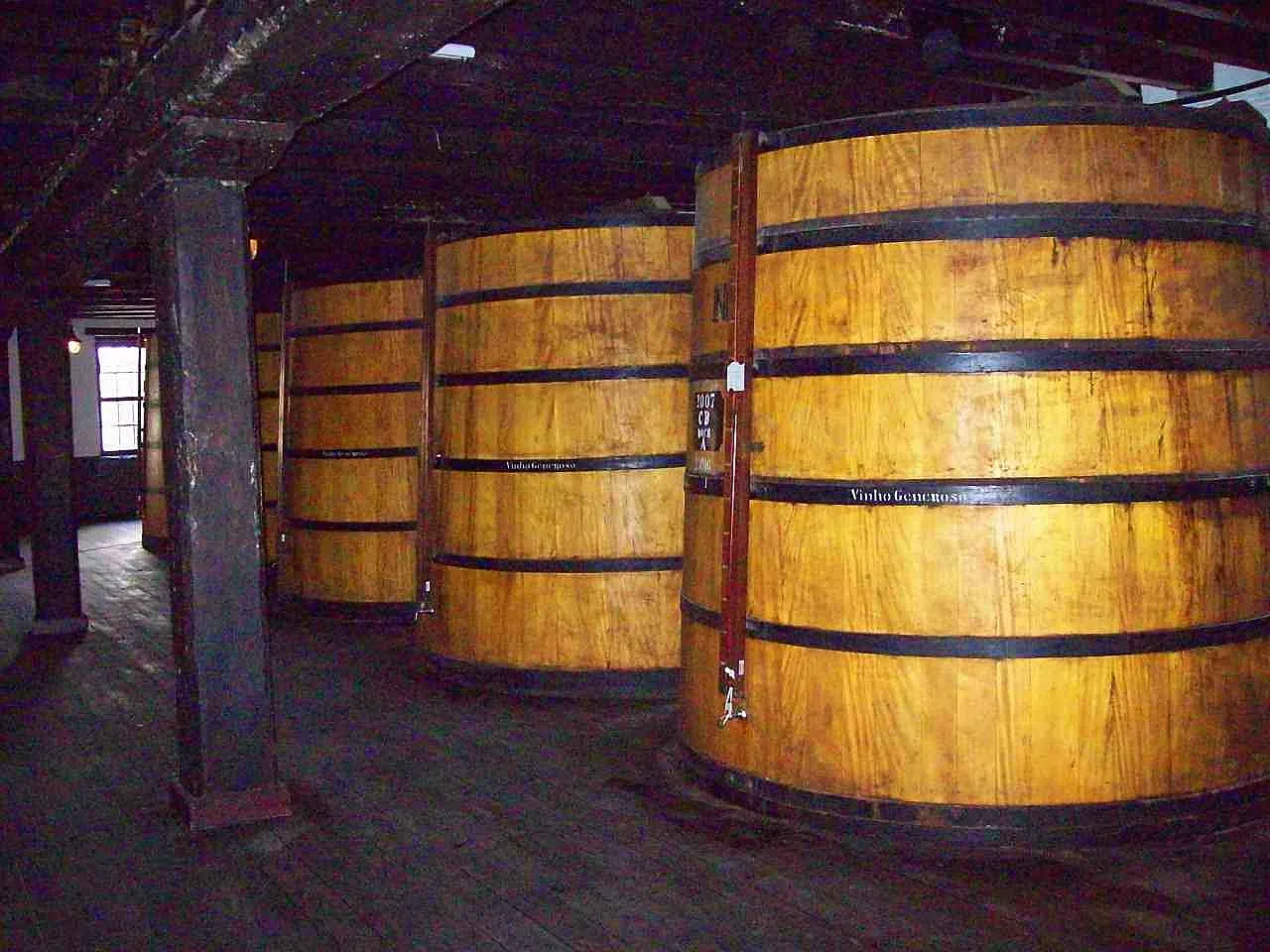
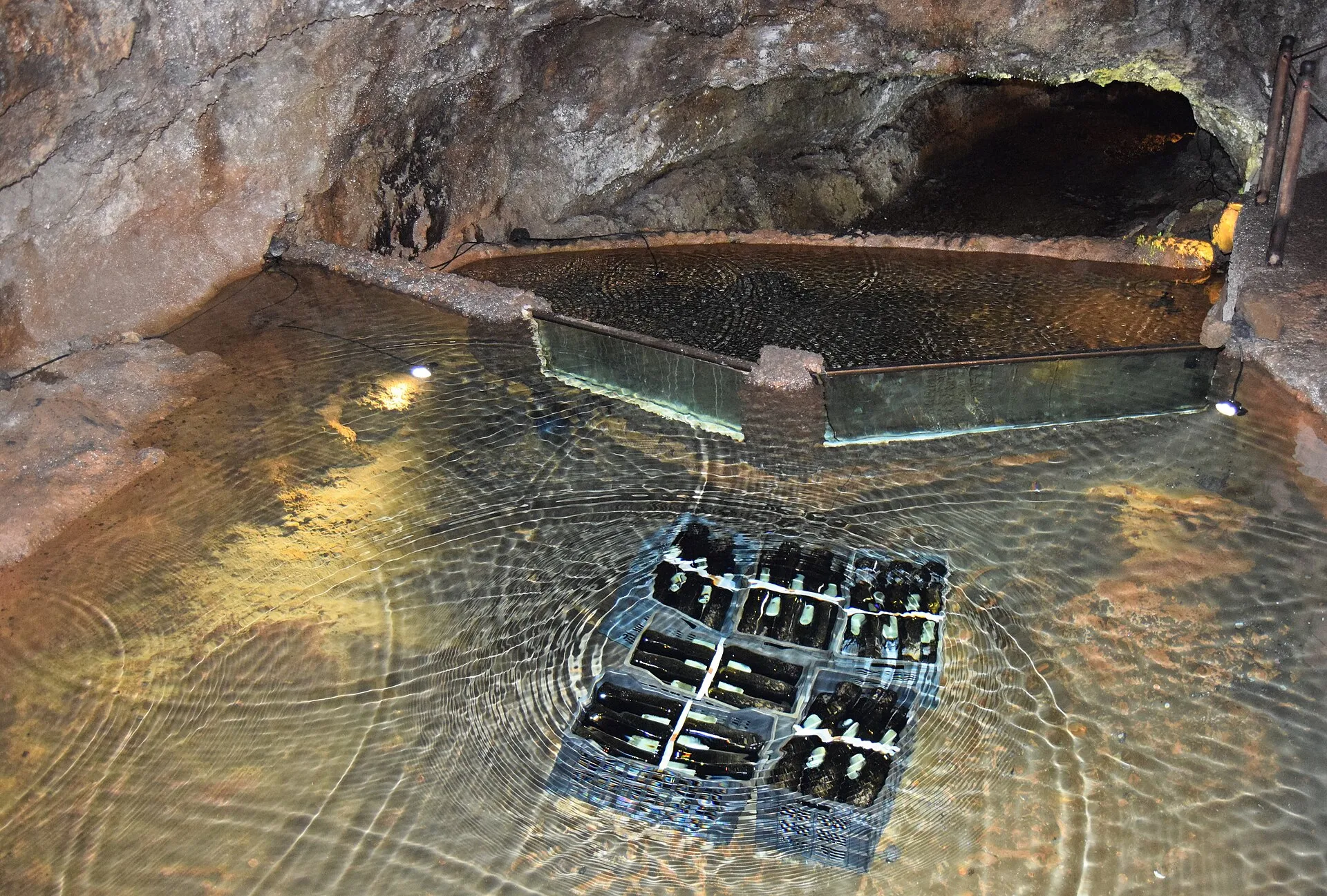
Ageing is the other central feature. The Madeiran tradition includes specific methods such as estufagem and canteiro. IVV describes estufagem as an ageing process in which the wine is heated in a controlled way for a minimum period of months, and links that method to the region’s traditional production. In parallel, Visit Madeira refers to the traditional canteiro method used by historic houses such as Blandy’s Wine Lodge, where the wine matures slowly in oak casks under careful supervision.
These practices do more than preserve the wine; they shape its aromatic and flavour profile. Madeira wine is known for complexity, for a balance of sweetness, acidity, and alcohol, and for extraordinary longevity. It is precisely this capacity for evolution that allows some bottles to remain sound and expressive for decades.
Grape varieties and classic styles
Madeira wine is not a single style but a family of wines with different sweetness levels and personalities. IVV identifies the classic traditional designations and grape varieties of Sercial, Verdelho, Boal, and Malvasia, each linked to a different degree of sweetness. Sercial is the driest; Verdelho is less dry; Boal is medium sweet; and Malvasia is the sweetest, most aromatic, and smoothest. Tinta Negra is also highly important because it can produce wines at different sweetness levels depending on when fermentation is stopped.
In practice, this system makes it possible to offer wines for different moments and preferences. Some styles are drier and often suited to aperitif occasions, while sweeter styles are commonly associated with dessert or with more intense tasting moments. The diversity of grape varieties and styles shows that Madeira wine combines tradition with versatility rather than being locked into a single flavour profile.
The official sources also refer to other authorised and recommended varieties within the denomination of origin, underlining the existence of a structured and regulated viticultural framework. Even so, in classic public usage, the names Sercial, Verdelho, Boal, and Malvasia remain the most recognisable.
Regulation, appellation, and territory
IVBAM is the regional body responsible for defining, coordinating, regulating, and implementing policies for the promotion and preservation of vineyards and wine in Madeira. That means Madeira wine is not only an agricultural product; it is also a protected and institutionally supervised one. The protected designation of origin limits production to the islands of Madeira and Porto Santo, reinforcing the link between wine and archipelago as a historical and administrative unit.
According to the IVV glossary, the region was demarcated in 1913. This matters because it shows that Madeira wine has had a formal geographical delimitation for more than a century, earlier than many modern systems of origin protection. The demarcation helps preserve product authenticity and maintain the relationship among land, variety, method, and name.
The inclusion of Porto Santo is also significant. Although the wine’s international image is strongly associated with Madeira Island and with Funchal, the official production territory is the archipelago as a whole.
Madeira wine in contemporary culture
Today, Madeira wine remains one of the region’s most recognisable products. Visit Madeira presents it as one of the island’s great emblems and stresses the wine’s historical and symbolic place in Madeiran identity. That continuity is visible both in production and in the way the wine is interpreted for the public through museums, historic lodges, thematic routes, and tasting spaces.
Cellars and wine houses play an important role in explaining the wine to visitors and residents alike. Blandy’s Wine Lodge, referenced by Visit Madeira, is a good example of historical continuity: a space associated with traditional ageing and with presenting the wine’s journey from harvest to maturation. Visits of that kind make it easier to understand Madeira wine as product, heritage, and living craft at the same time.
For visitors, the best way to interpret the wine is to look at the relationship between geography, method, and time. Terraced vineyards, fortified must, sweetness levels, ageing practices, and long international circulation form a coherent whole. Madeira wine is therefore a distinctly Atlantic Portuguese expression: local in origin, but cosmopolitan in history and reputation.
Why it remains unique
The singularity of Madeira wine comes from the way several elements reinforce one another. Its origin in a small mountainous region, the fortification of the must, ageing methods, grape diversity, and a long export history create a profile that is hard to confuse with any other wine. Even when tasting a dry, medium-dry, or sweet style, the structural mark of Madeira remains.
That combination of technical identity and historical memory explains the wine’s lasting fame. Madeira wine is a regulated product, but it is also a cultural object; it is a table wine or a contemplative wine, but also an important chapter in Portuguese Atlantic history. To talk about Madeira wine is therefore to talk about landscape, trade, agricultural craft, ageing, and heritage all at once.