
What is Madeira like in March?
March is usually a transition month on Madeira. The island has generally moved beyond the sharper chill of winter, but it is still not in the stable, dry heat that many people associate with summer. The most realistic way to think about it is as a mild Atlantic spring: many days are pleasant, humidity remains present, and rain is still part of the climate. The official tourism board describes Madeira as an Atlantic island with a subtropical climate and mild temperatures throughout the year, and it also highlights the island’s microclimates. That combination helps explain why March is often a comfortable month to visit, even though it is neither the hottest nor the driest time of year.
A concrete reference point comes from IPMA’s 1991-2020 climatological normals for Funchal. In March, the monthly mean temperature is 17.4 °C, the mean maximum is 20.6 °C, and the mean minimum is 14.3 °C. Those figures place the month firmly in the mild range, with afternoons that are often gentle and mornings and evenings that can feel distinctly cooler. In practical terms, light clothing is usually enough for the daytime, but an extra layer is sensible for early mornings, late afternoons, or any time spent at higher altitude. That is an inference from the climatological data, not a day-by-day forecast.
Temperature: springlike, not summery
The March temperature figures for Funchal make the seasonal character very clear. A mean high of 20.6 °C suggests afternoons that are generally comfortable for walking, sightseeing, or exploring the coastline without summer heat. At the same time, a mean low of 14.3 °C is a reminder that the air can feel noticeably fresher outside the warmest part of the day. On an island like Madeira, that daily range matters because relief and altitude change the feel of the weather very quickly.
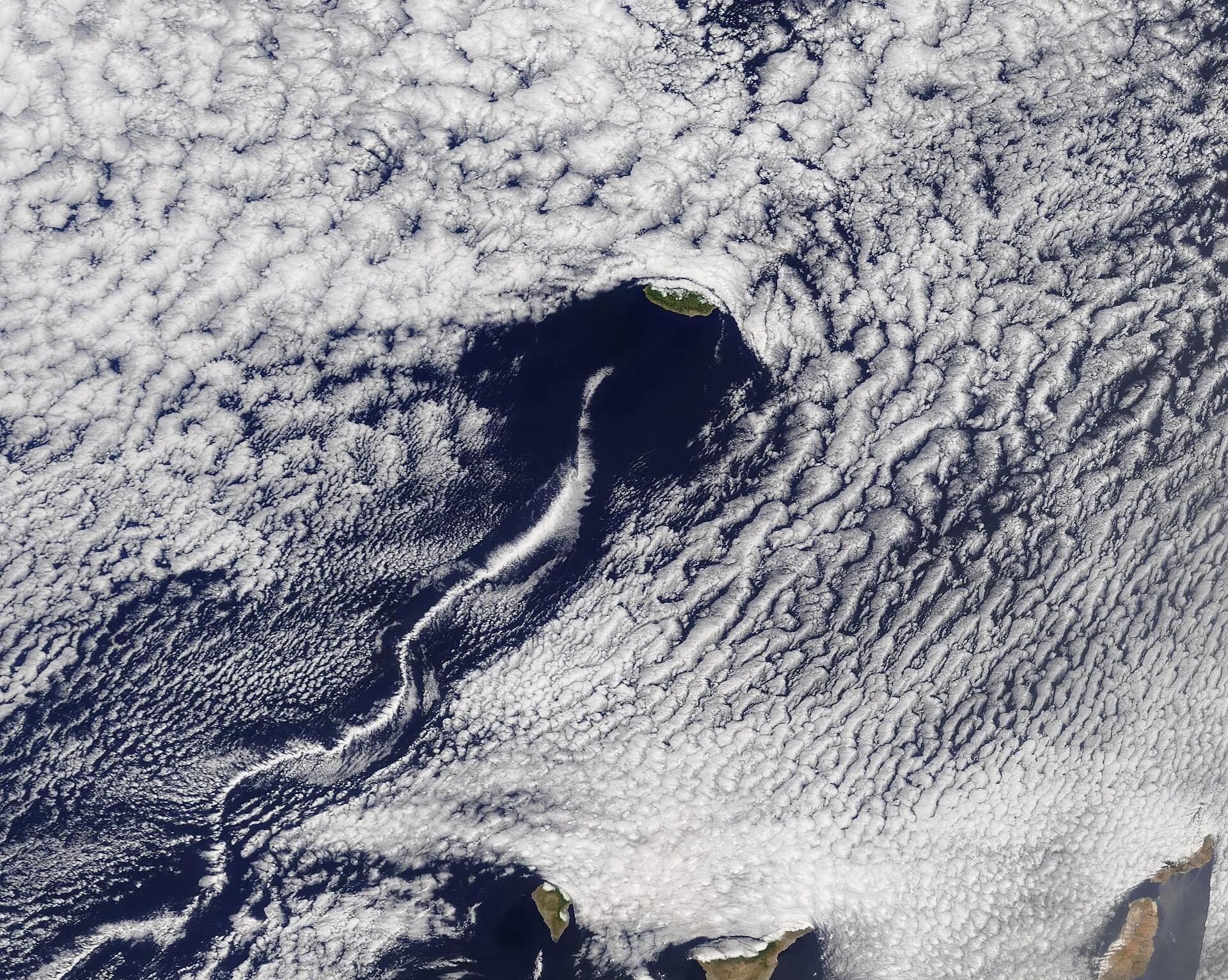
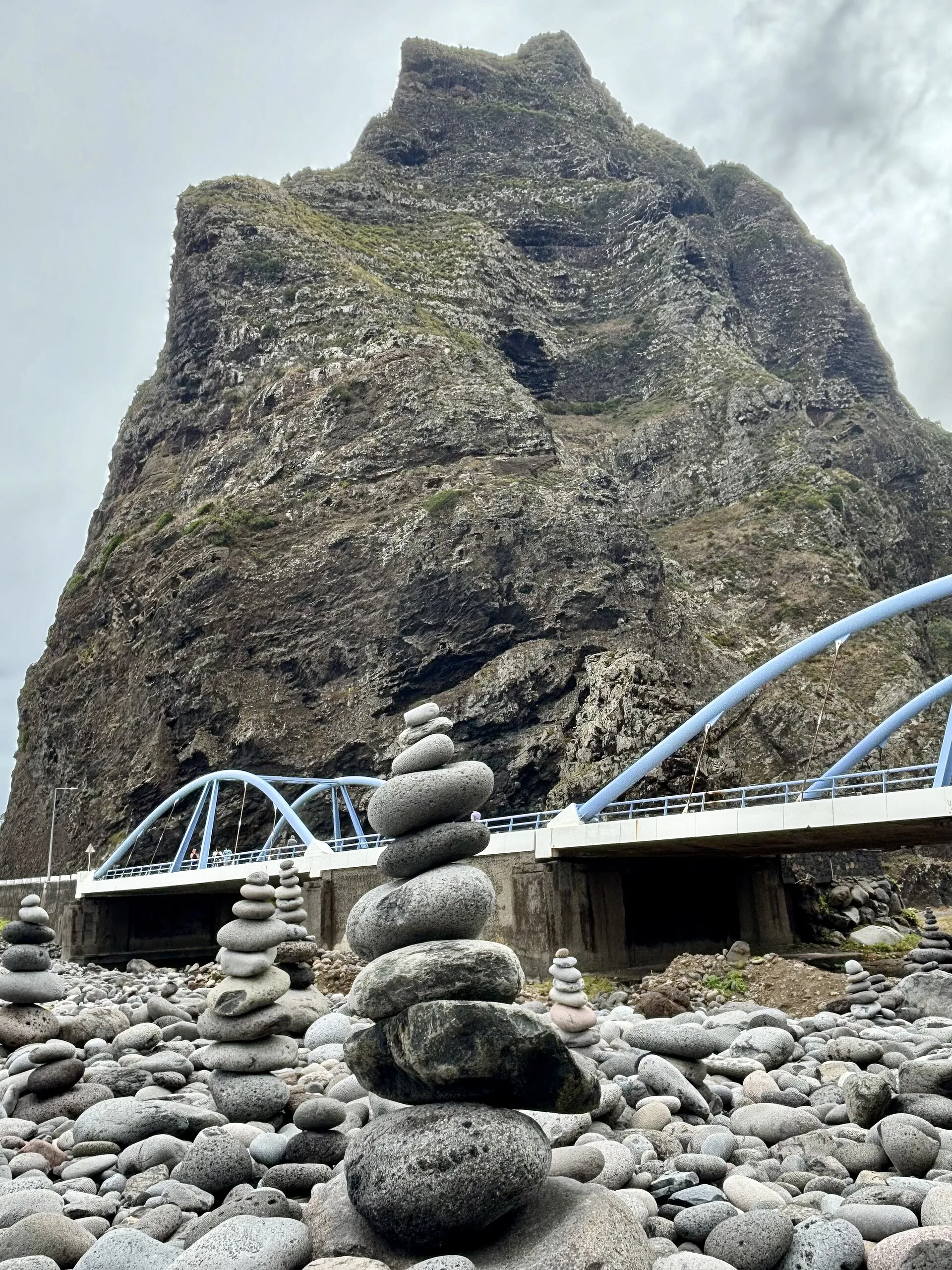
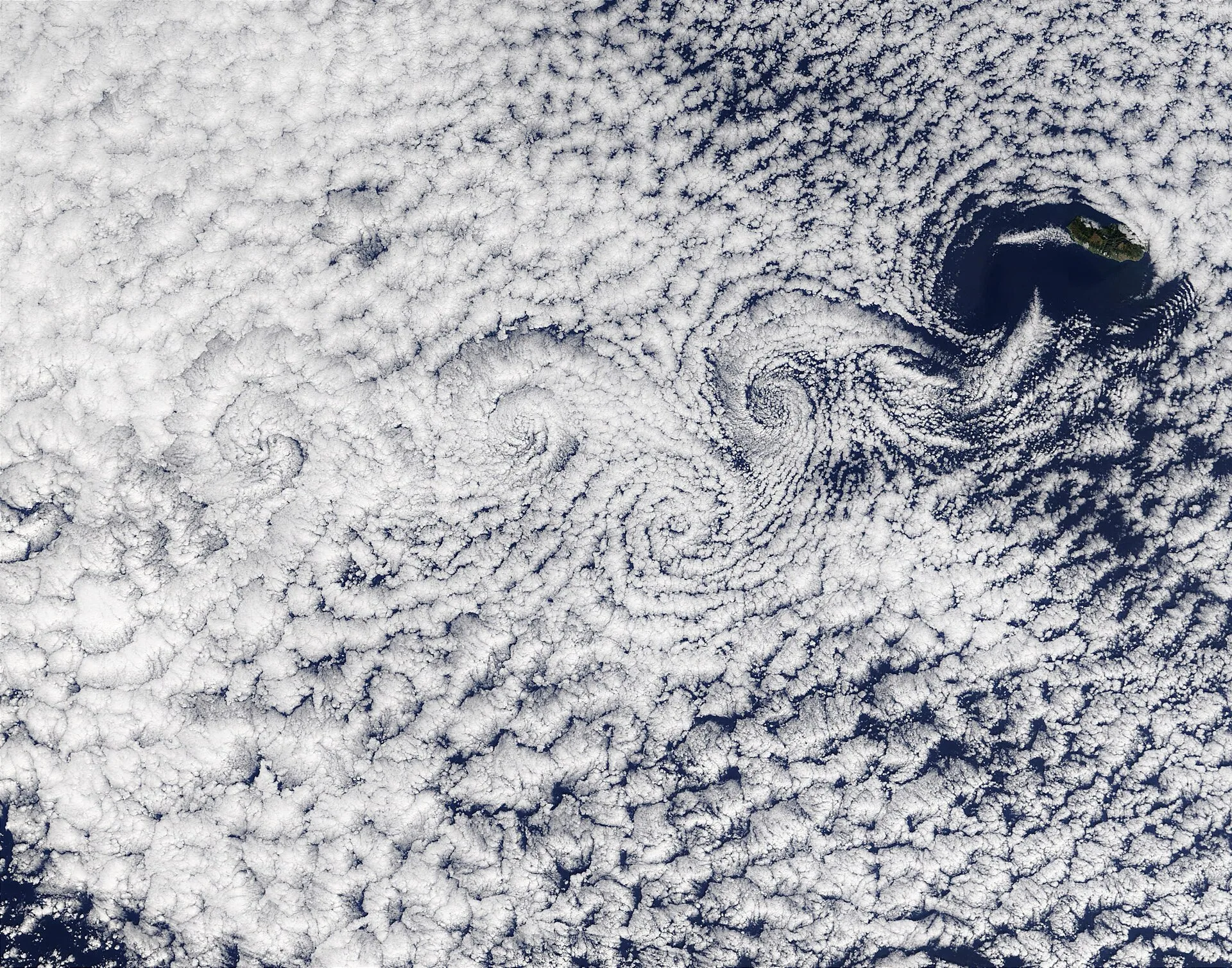
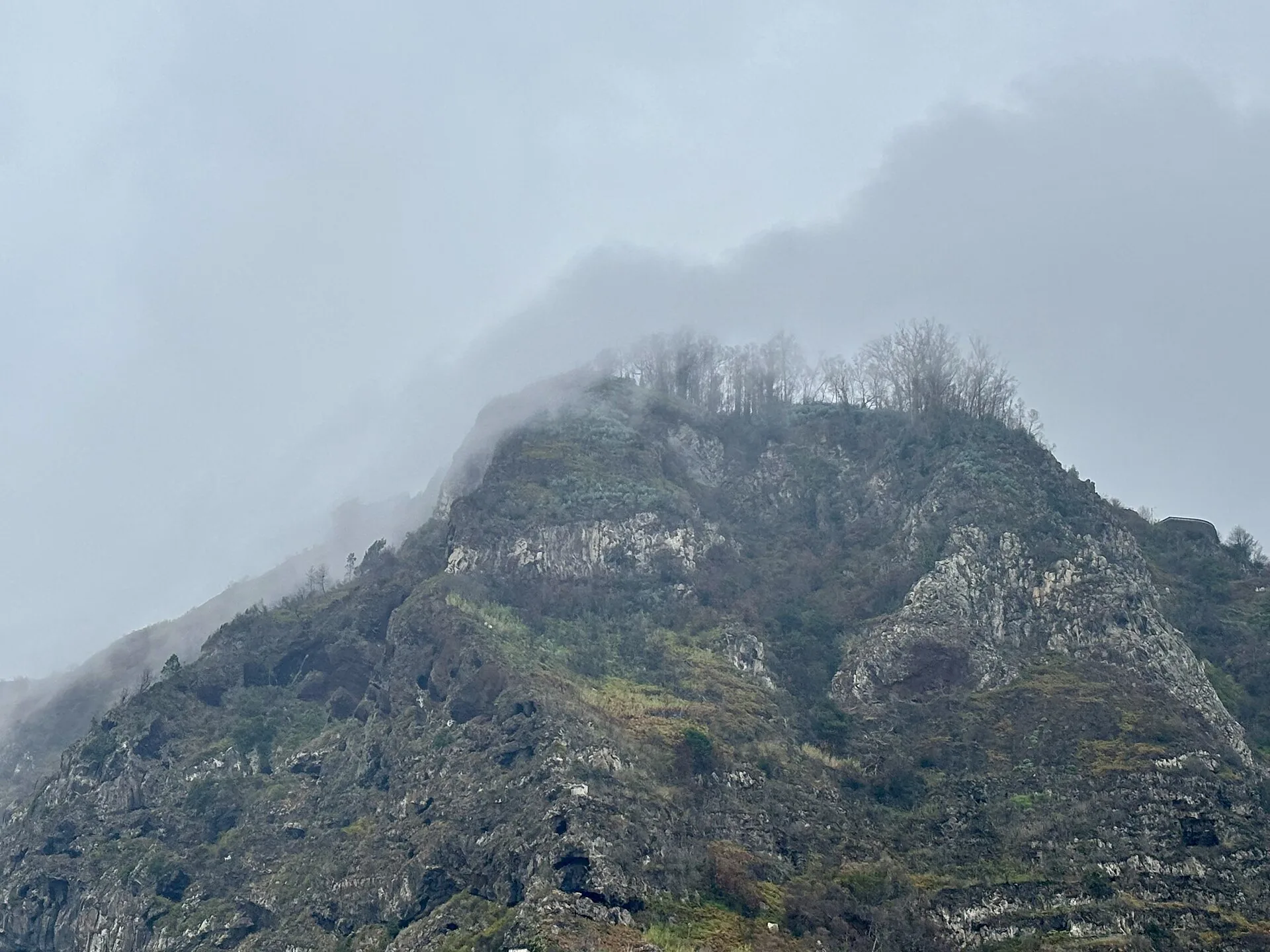
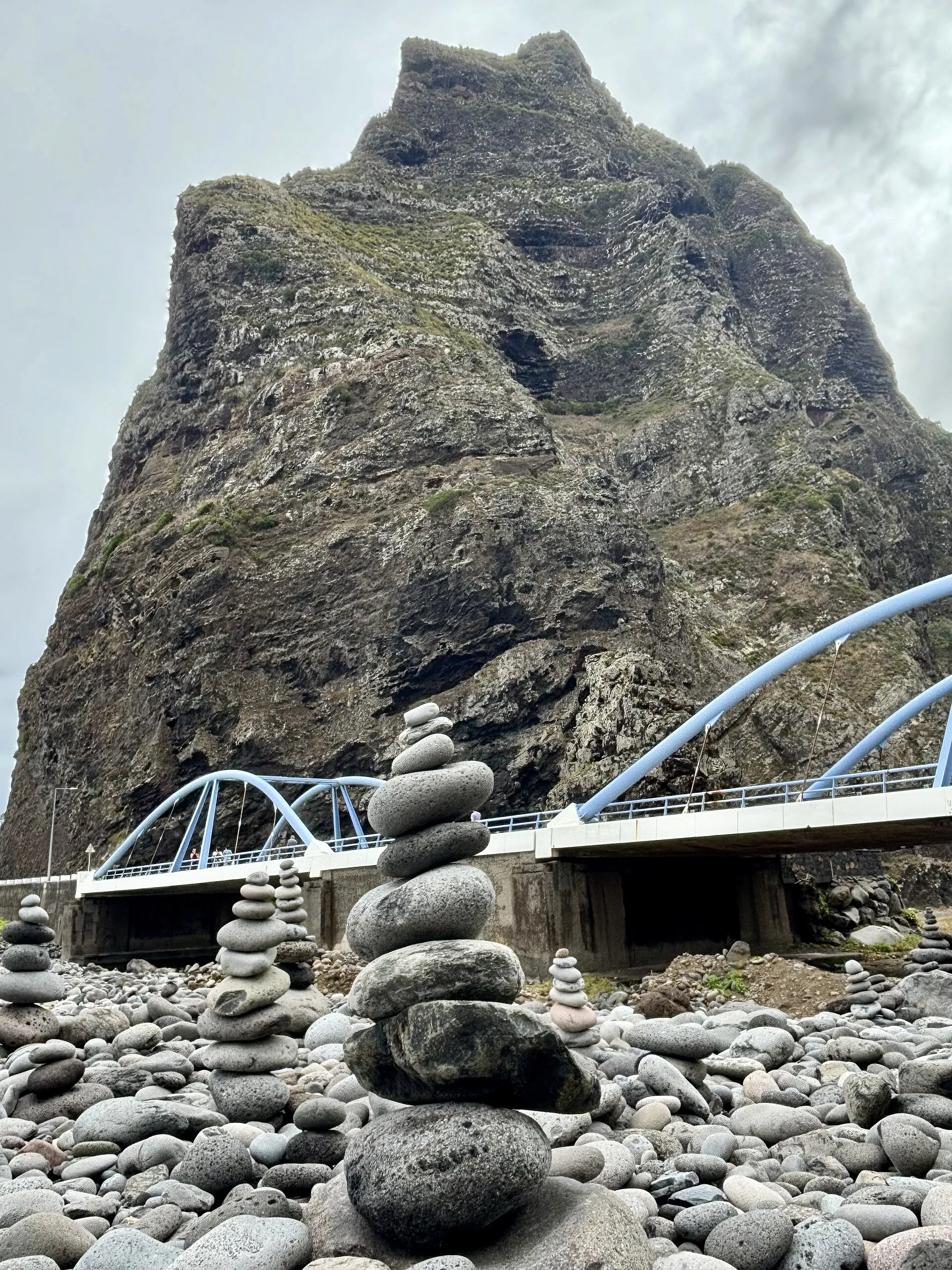
Topography is a major reason why local conditions vary so much. The official tourism site says Madeira covers 741 km², notes that the south coast has mild temperatures all year round, and places the central mountain range above 1,400 metres, with peaks such as Pico Ruivo and Pico do Areeiro. In March, that means the experience on the island can change significantly depending on whether you are at sea level, on a sheltered slope, or in the mountains. A relatively bright morning on the coast can become a cooler, cloudier scene at altitude, and that is part of how Madeira’s weather works.
Rain in March: still part of the month
Even though March feels springlike, rain is still a normal part of the month. In the Funchal climatological table, March averages 62.3 mm of precipitation. The same table shows an average of 5.8 days with at least 1 mm of precipitation and 2.2 days with at least 10 mm. Put simply, March should not be treated as a dry-season month. There can certainly be bright intervals and sunny spells, but cloud, showers, and damp conditions remain plausible, especially when Atlantic moisture meets the island’s terrain.
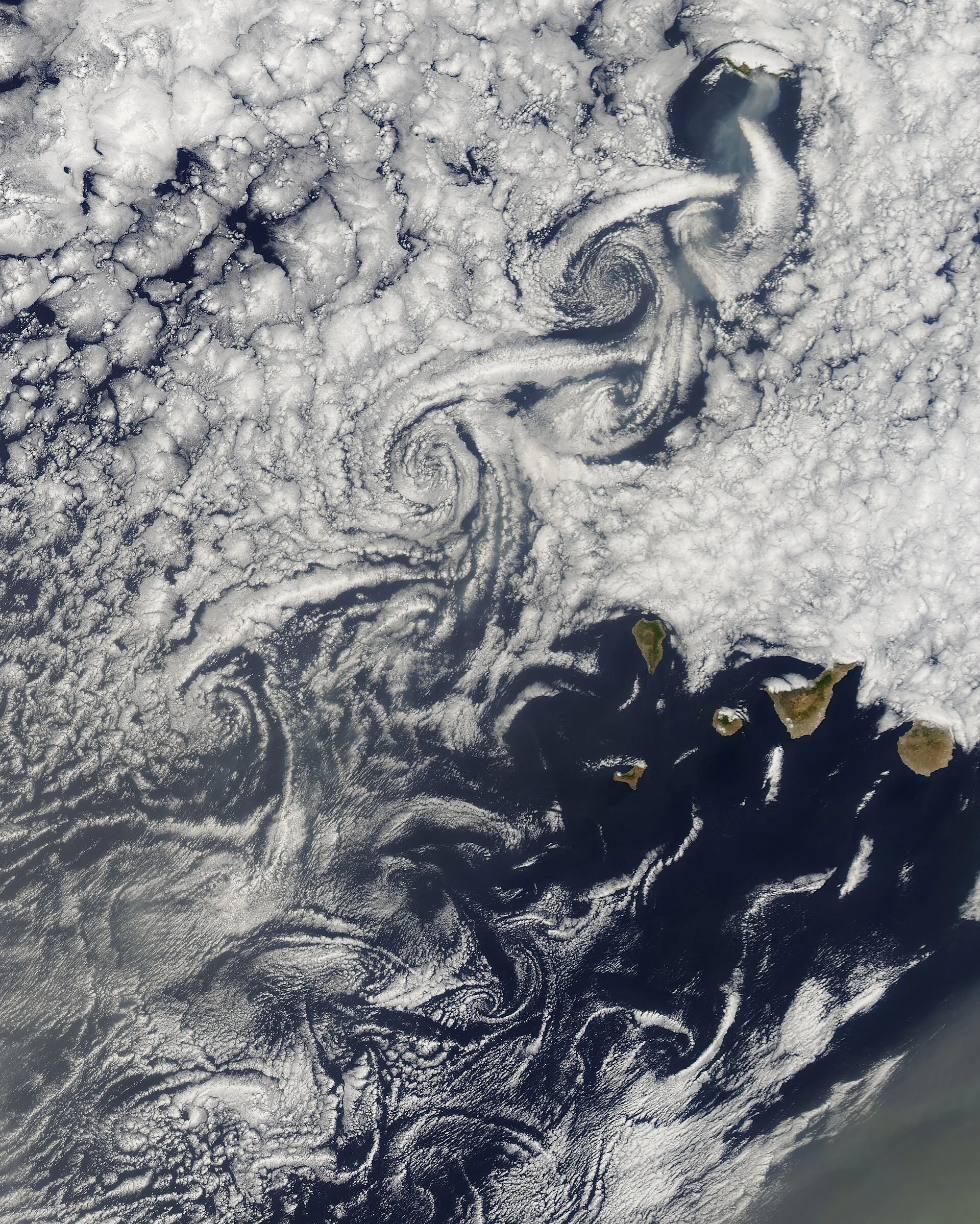
The island’s geography helps explain this. Official tourism material highlights the water-rich landscapes of the north coast, including Laurissilva forest, levadas, streams, waterfalls, and other features tied to abundant water. The same material also distinguishes the south coast, the west coast, and the central mountain range. Even without a day-by-day forecast, that combination of maritime air and rugged relief explains why weather is not evenly distributed and why conditions can vary widely between north and south, coast and interior. For March travel planning, the sensible assumption is mixed weather rather than uninterrupted clear skies.
What visitors tend to experience in March
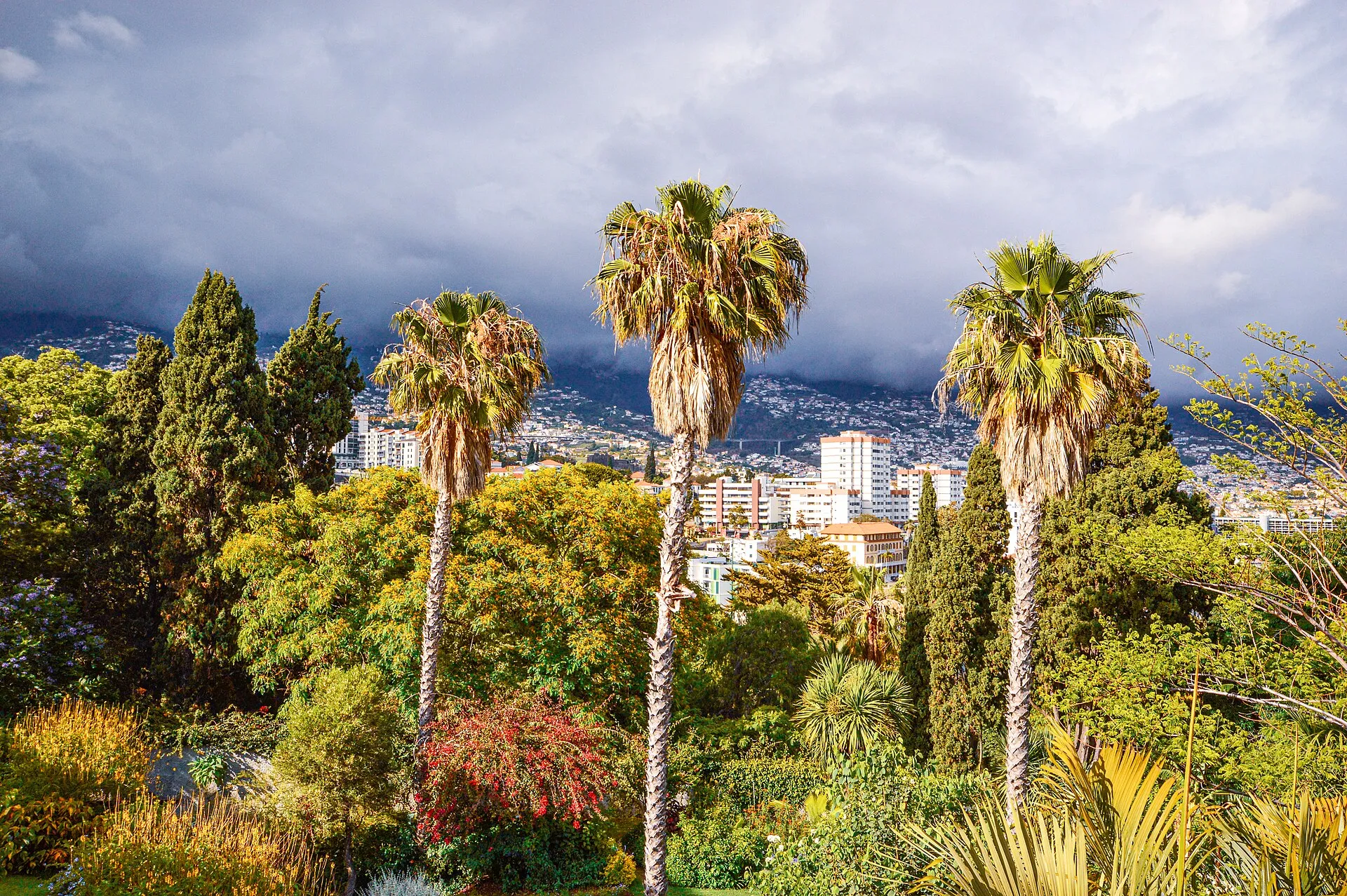
For most travellers, March is a good month for gardens, viewpoints, scenic drives, and moderate walking. Madeira is not being described here as a hot beach destination in March; instead, it is a place where outdoor activity is often comfortable and visually rewarding. The month can be particularly appealing if you want to avoid summer heat while also escaping the more persistent chill of winter. A useful way to think about March is as a balance: warm enough to be pleasant, humid enough to keep the landscape green. That reading follows from the climatological normals and from the island’s official description as subtropical and mild.
It is also important not to treat Madeira as if it had one uniform climate. The tourism authority explicitly distinguishes between the north coast, south coast, west coast, and central mountain range, and it describes the island as having microclimates. In March, that translates into very different experiences depending on the itinerary: the south coast, especially around Funchal, is usually the mildest part of the island, while higher ground is cooler and more changeable. This is an inference grounded in the combination of Funchal’s climatology and the island’s official geographical description.
How to interpret March realistically
The most useful summary is this: March on Madeira is usually mild, clearly springlike, and still rainy enough to keep the island green and to require some flexibility. Rain does not dominate every day, but it remains part of the picture, and temperatures, although very comfortable, are not yet in the stronger summer range many beach-focused visitors expect. For travellers who want walking, scenery, and a soft Atlantic climate without peak-summer heat, March can be a very attractive month. For those seeking hot, reliably dry beach weather, it may feel cooler than expected. The climatological normals and the island’s geography point to exactly that contrast.
It is also worth remembering that climatological normals describe averages rather than the exact weather of a given week. In Madeira, that distinction matters because the island’s rugged relief and maritime setting can produce rapid contrasts over short distances. So the Funchal normal is a solid reference for understanding March, but it does not capture every local variation across the archipelago.
In short
March on Madeira usually means mild temperatures, meaningful humidity, and a climate that sits between Atlantic winter and more settled spring. It is a month that suits nature travel, panoramic outings, and outdoor exploration, provided you are prepared for occasional rain and some flexibility in plans. If what you want is a green, comfortable, and scenic Madeira without strong summer heat, March is often a very balanced choice. If you are looking for hot, reliably dry beach weather, it may feel a little too cool. The climatological normals and the island’s geography support that balanced, slightly variable picture.