
Overview
January is a winter month in Madeira, but it is not the kind of winter many people associate with mainland Europe. The Madeira tourism board describes the archipelago as subtropical, with average temperatures of about 15 °C in winter and 25 °C in summer. At the same time, the official site stresses that weather conditions vary significantly from place to place, with microclimates that can make the coast, the slopes, and the mountains feel like different worlds on the same day.
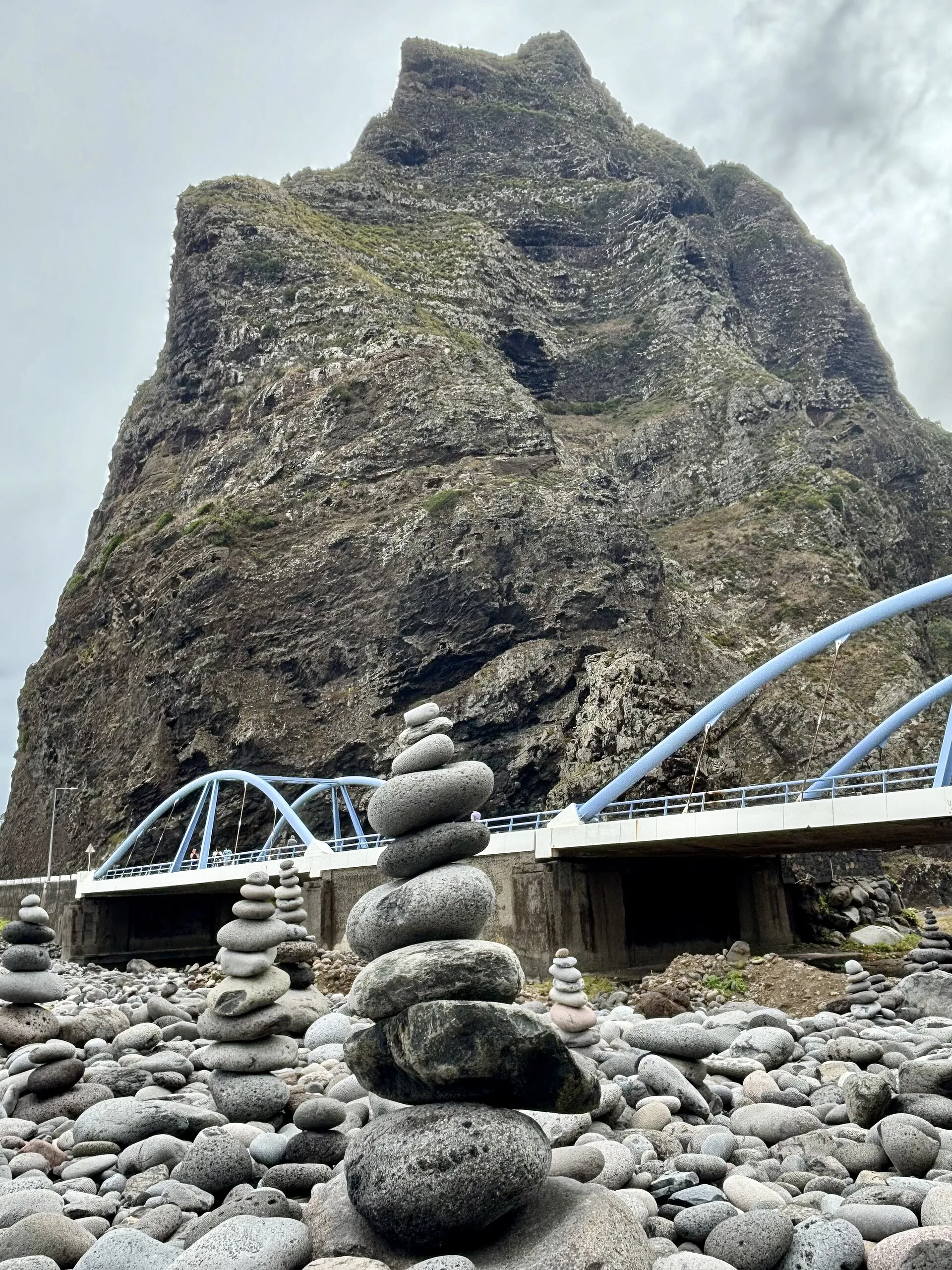
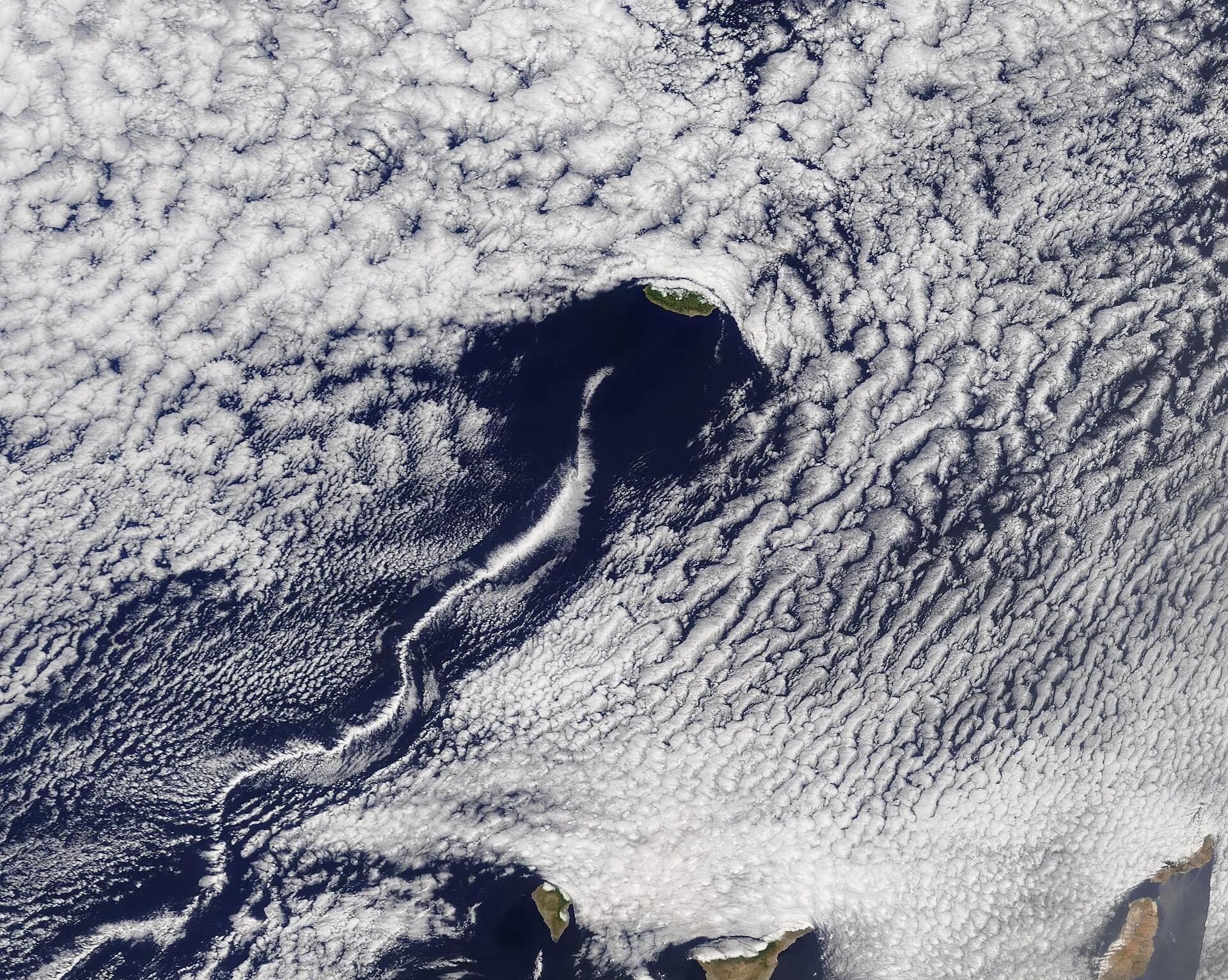
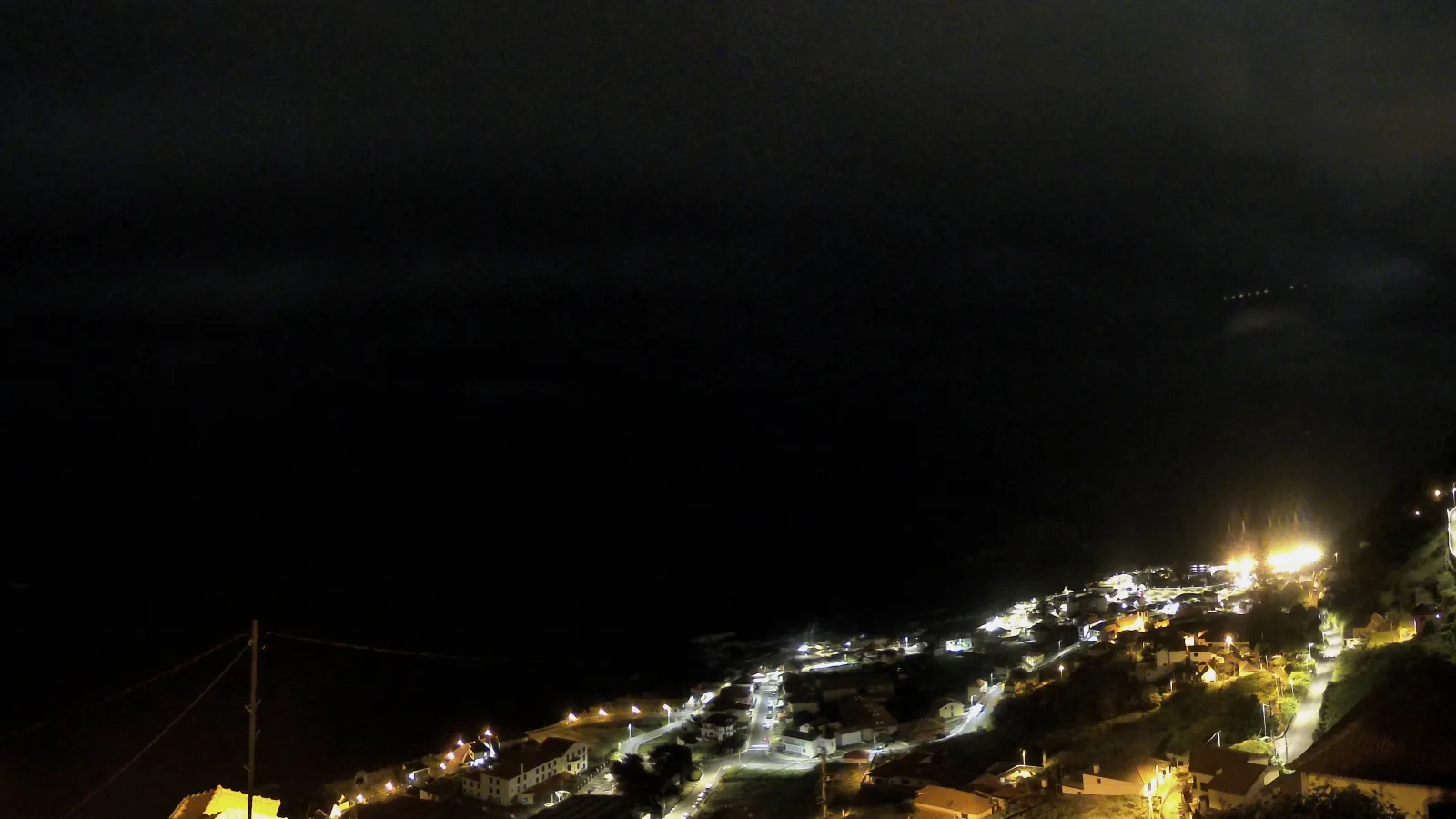
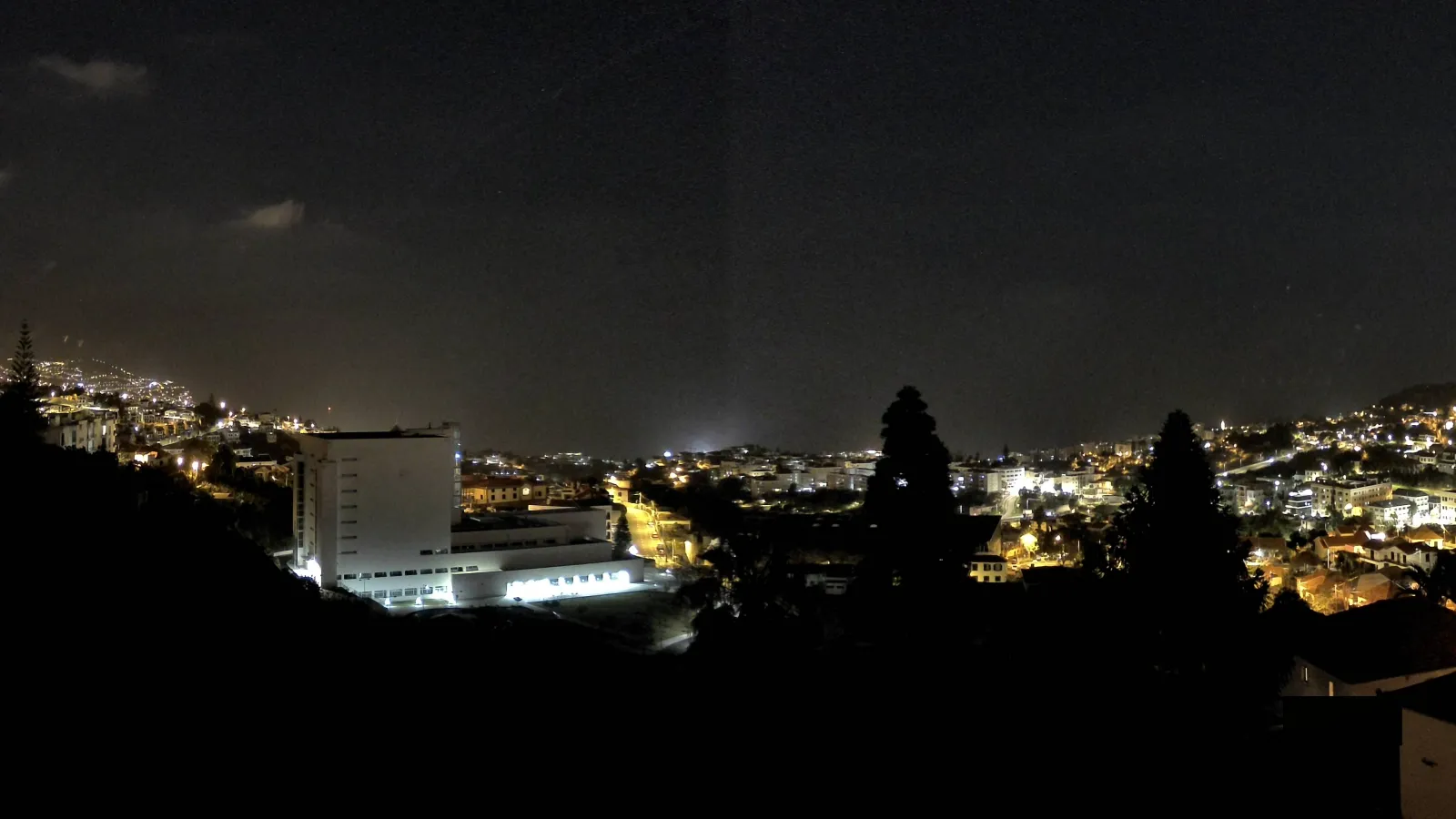
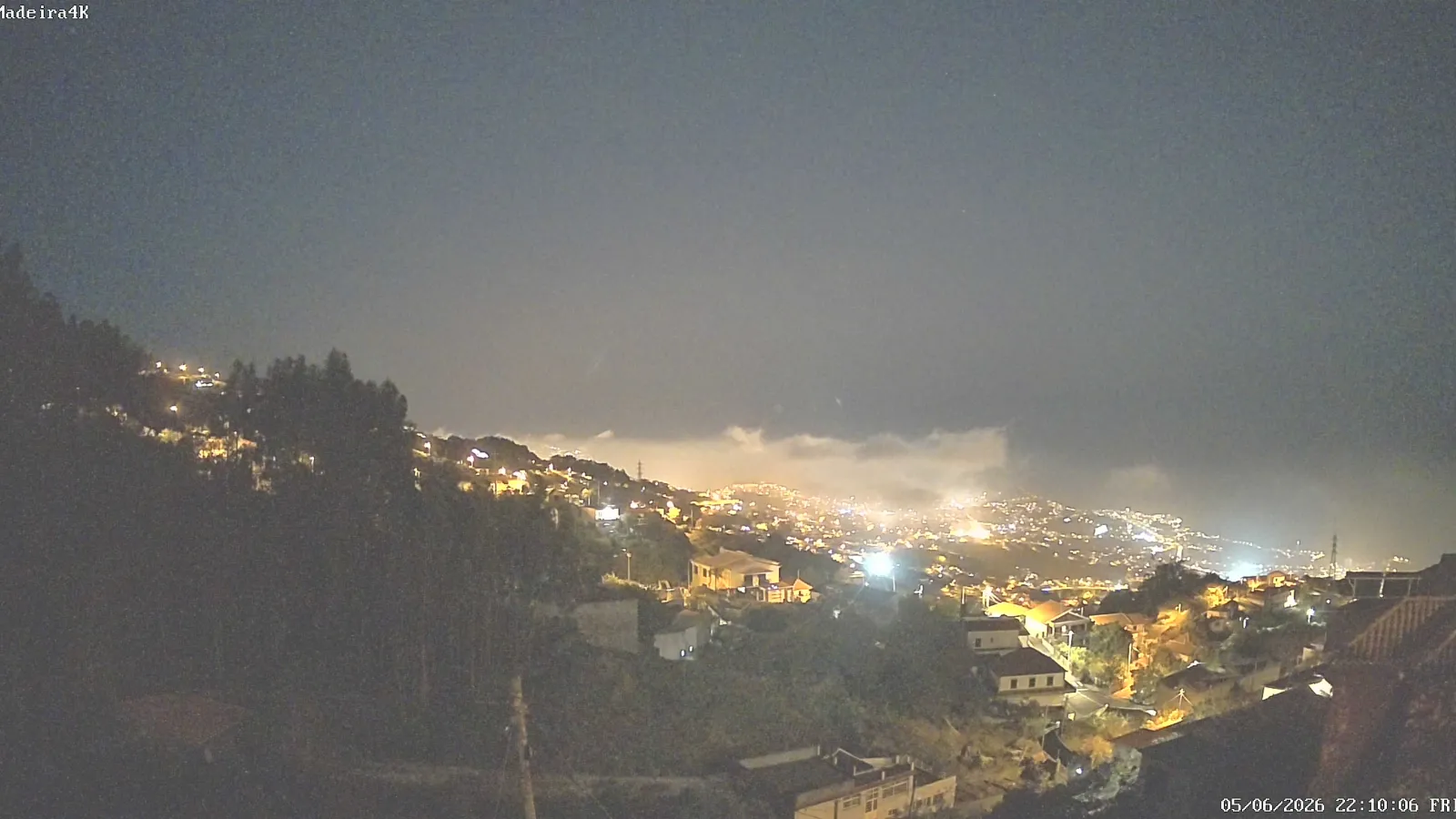
So when people ask about Madeira weather in January, it helps to think in terms of contrast. Along the coast, especially in southern and urban areas, the month is usually mild and comfortable enough for sightseeing. At higher elevations, conditions are cooler, more humid, and more prone to cloud. It is entirely possible for one part of the island to be bright while another is misty or overcast, which is one of Madeira’s defining weather features.
Typical January temperatures
The IPMA 1991–2020 climate normals for Funchal show an average air temperature of 17.1 °C in January. The average daily high is 20.0 °C and the average daily low is 14.3 °C. In practical terms, this places January among the cooler months of the year, but still in a range that many visitors find pleasantly mild.
Those figures are best read as long-term averages rather than daily promises. A mean high of 20.0 °C does not mean every day reaches exactly 20 °C; it means daytime temperatures usually sit in a comfortable band, with regular variation from one day to the next. Likewise, a mean low of 14.3 °C points to cool mornings and evenings, especially when wind, humidity, or cloud cover is present. For visitors arriving from colder climates, this can feel almost spring-like. For travelers expecting beach heat, it will feel moderate rather than hot.
Altitude matters a great deal across Madeira. The official tourism information explains that the island’s weather is not uniform, even during a generally mild winter. In practical terms, what you experience in Funchal may be very different from what you encounter on a mountain trail or at a higher viewpoint. In January, those contrasts often become more obvious because sunshine, cloud, and wind can change the felt temperature quickly.
Rain and humidity
January is also a wetter month than summer. According to IPMA, average monthly precipitation in Funchal is 67.1 mm in January, with an average of 6.2 days with at least 1 mm of rainfall. In other words, January often includes rainy spells, but it does not necessarily bring long, uninterrupted periods of bad weather.
For travelers, the key point is that rain in Madeira tends to be uneven and localised. Higher ground and certain slopes can be wetter, while the opposite side of the island may stay drier or brighter. The Madeira tourism board notes that even when the morning begins overcast, there is often sunshine somewhere else on the island. That variability is one reason flexible day-by-day planning works so well here: weather can differ enough between municipalities to justify changing plans on the fly.
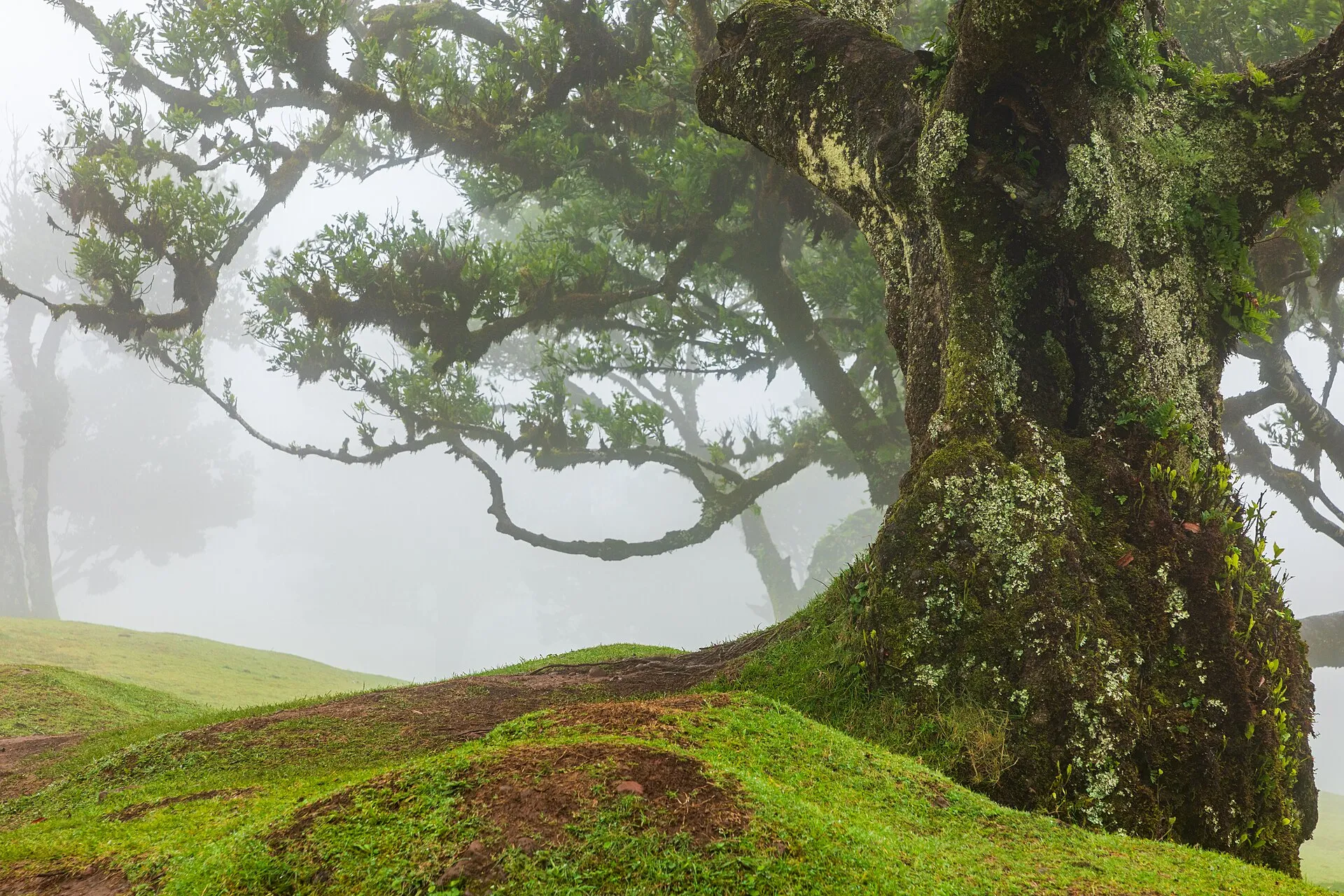
Humidity can also make the air feel cooler than the thermometer suggests, especially after sunset or in wind-exposed places. In a mountainous Atlantic island like Madeira, cloud, mist, and rain are more likely in higher zones, while the southern coast often benefits from gentler conditions.
What January usually means for visitors
January can be a very good month for travelers who want mild winter weather and are comfortable with some variability. It is generally suitable for city walks, viewpoints, gardens, and outdoor activities on stable days. The island stays green, the landscape’s contrasts are vivid, and the overall atmosphere is far removed from colder European winter destinations.
At the same time, January is not the month to assume every day will be bright and cloud-free. The best approach is to treat weather as part of the experience: plan outdoor activities, but keep some flexibility; have a backup if the mountains are misty; and use clearer periods for coastal drives, scenic viewpoints, and longer walks. That strategy makes sense precisely because Madeira combines a mild climate with strong microclimatic differences.
How to think about winter in Madeira
Madeiran winter is different from winter in many parts of Europe. In Funchal, the climate normals show average lows above 14 °C and average highs close to 20 °C in January. That helps explain why Madeira is often described as a mild winter destination. But mild does not mean uniform or dry: it means the absence of severe cold, together with a mix of pleasant days, cloudy spells, and rainfall.
For readers who want the shortest possible summary, January in Madeira is mild, variable, and often wetter than the summer months. If your goal is comfortable temperatures without intense heat, it can be a very good time to visit. If your priority is the highest possible chance of clear skies and the warmest beach conditions, you should plan with some flexibility and accept that the island rewards travelers who adapt to the weather of the day.
Practical takeaway
If you are considering Madeira in January, expect moderate temperatures, some rain, and quick changes between different parts of the island. Also expect green scenery, possible bright coastal days, and cooler conditions at higher elevations. That balance of mildness and variety is exactly what makes January interesting here: it is not the most stable month, but it is one in which Madeira clearly shows its Atlantic, subtropical character.