
Overview
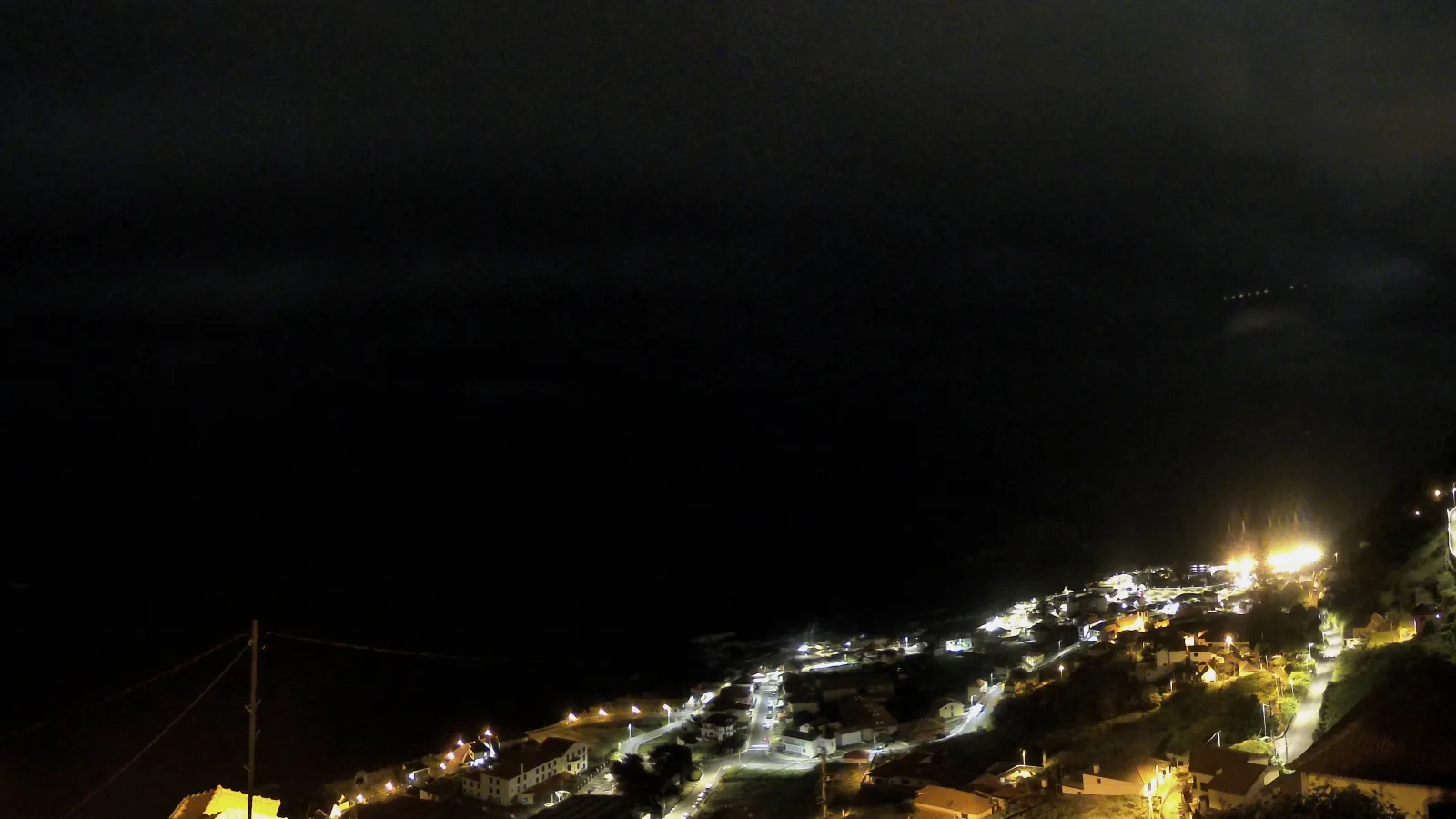
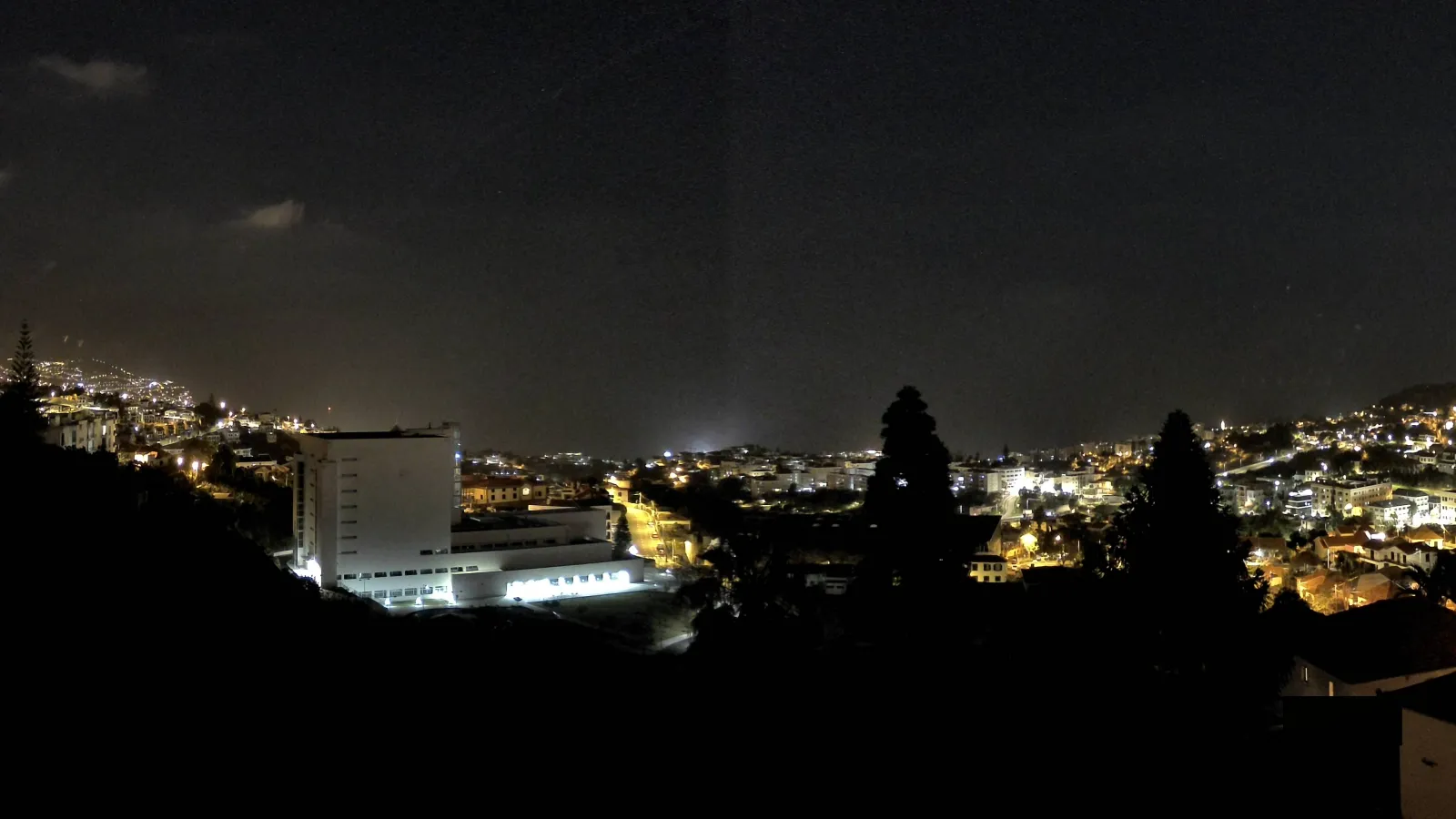
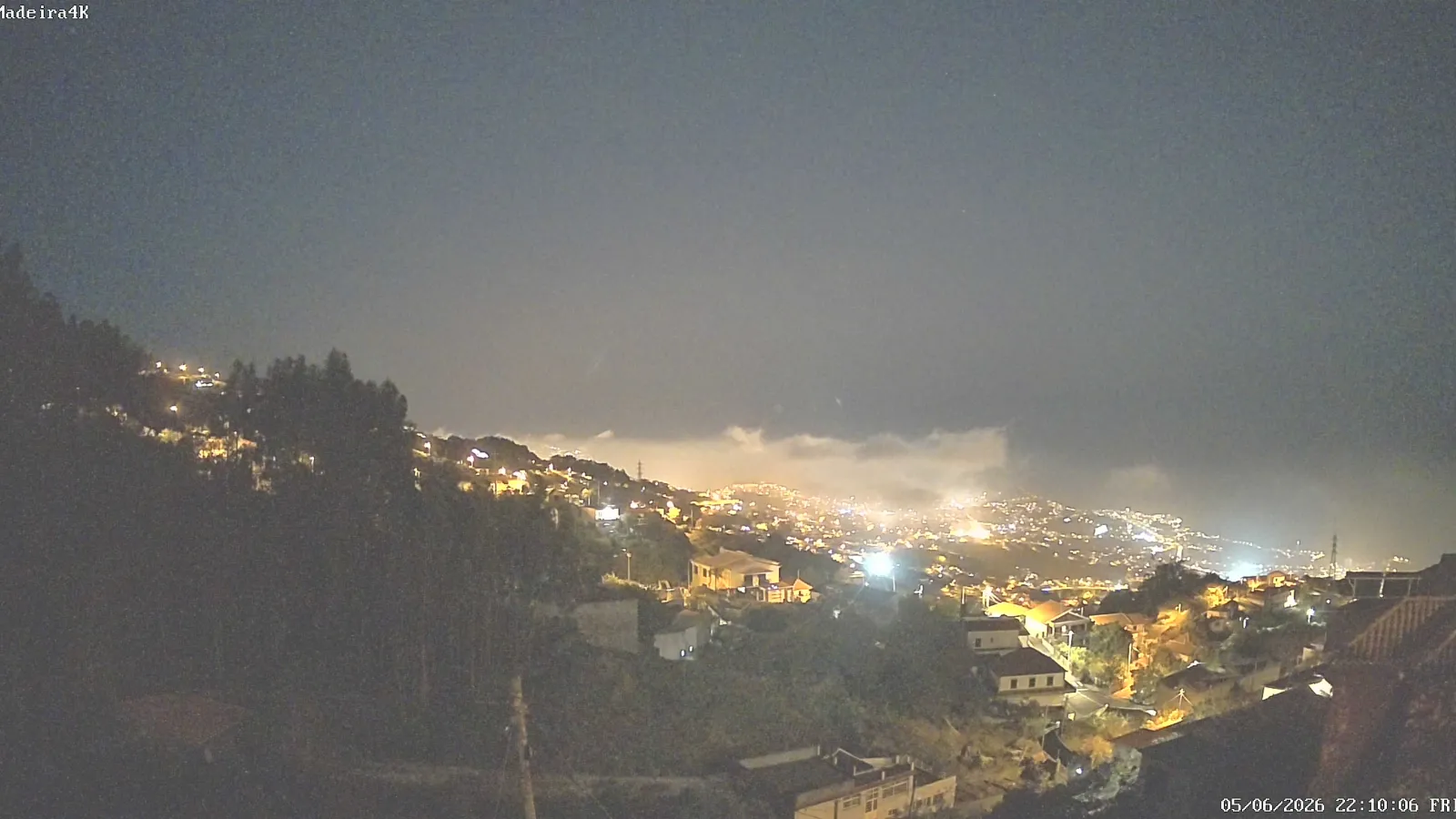
February on Madeira Island is usually a mild Atlantic winter month rather than a cold one. If you are trying to understand Madeira weather in February, the most useful picture is a temperate but changeable climate: reasonably mild temperatures, some humidity, intermittent rain, and very clear differences from one part of the island to another. The south coast is generally more sheltered and warmer than the mountainous interior, while higher ground can be cloudy, windy, and noticeably cooler than the shoreline.
That variation is not a side note; it is one of Madeira’s defining climate features. Official Madeira tourism information describes the island as a place of microclimates, where different conditions can be experienced between the coast and the mountains within the same day. So two people can honestly describe February weather in very different ways depending on whether they are in Funchal, on a levada walk, at a mountain viewpoint, or on the north side of the island.
For visitors, the practical takeaway is straightforward: plan for a soft winter. Light layers, something rain-ready, and some flexibility are the most sensible choices. February is not a month of guaranteed beach heat, but it is also not usually a month of severe cold in the lower coastal areas.
Typical February temperatures
The 1991–2020 climate normals for the Funchal station, which sits at 58 metres above sea level, show an average February temperature of 16.8 °C. The average daily high is 19.9 °C and the average daily low is 13.9 °C. Those figures place February in a comfortably mild range by European standards, especially during the middle of the day.
In practical terms, that means city walks, garden visits, coastal promenades, and scenic stops can be very pleasant, especially in sunshine. Mornings, late afternoons, and evenings usually feel cooler and may call for a light jacket. Wind, shade, and altitude can change how the air feels quite dramatically, so the same day can seem warm in one place and cool in another.
These numbers should not be read as a uniform description of the whole island. They come from a low-altitude station, which helps explain why the higher interior can feel quite different. In the central mountains, temperature drops with height, and cloud or fog can make the air feel cooler still, particularly when moisture and wind are present.
Rain in February
February still belongs to Madeira’s wetter season. At the Funchal station, the monthly average precipitation is 72.4 mm, and the average number of days with at least 1 mm of rain is 5.5. That does not mean it rains every day, and it does not mean the month is dominated by long, continuous wet spells. It does mean that rain remains a realistic part of the forecast, usually in the form of showers or short episodes of precipitation separated by brighter intervals.
This pattern fits a maritime winter climate: mornings that begin grey and brighten later, dry spells followed by showers, or a clear coast with rain still lingering over the mountains. In February, flexible planning is useful. A calm morning can turn cloudy quite quickly, and a sheltered coastal area can remain relatively settled while the interior becomes misty or wet.
That matters especially for nature-based travel. Levada walks, viewpoints, and mountain routes are highly sensitive to cloud cover, humidity, and visibility. February can be a good month for outdoor exploration, but the weather asks for constant attention because conditions can shift over short distances and in a short amount of time.
Microclimates: Madeira’s most important February feature
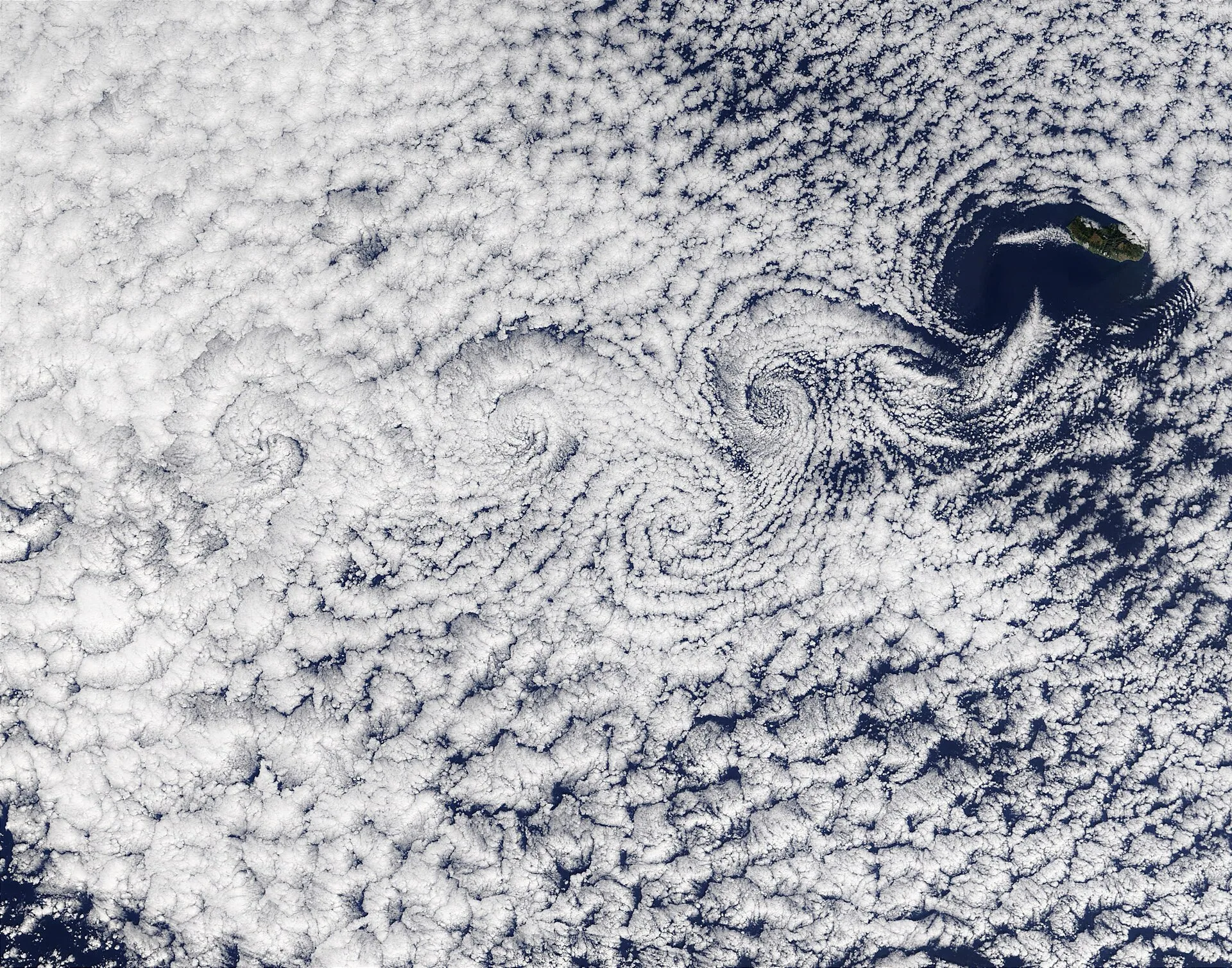
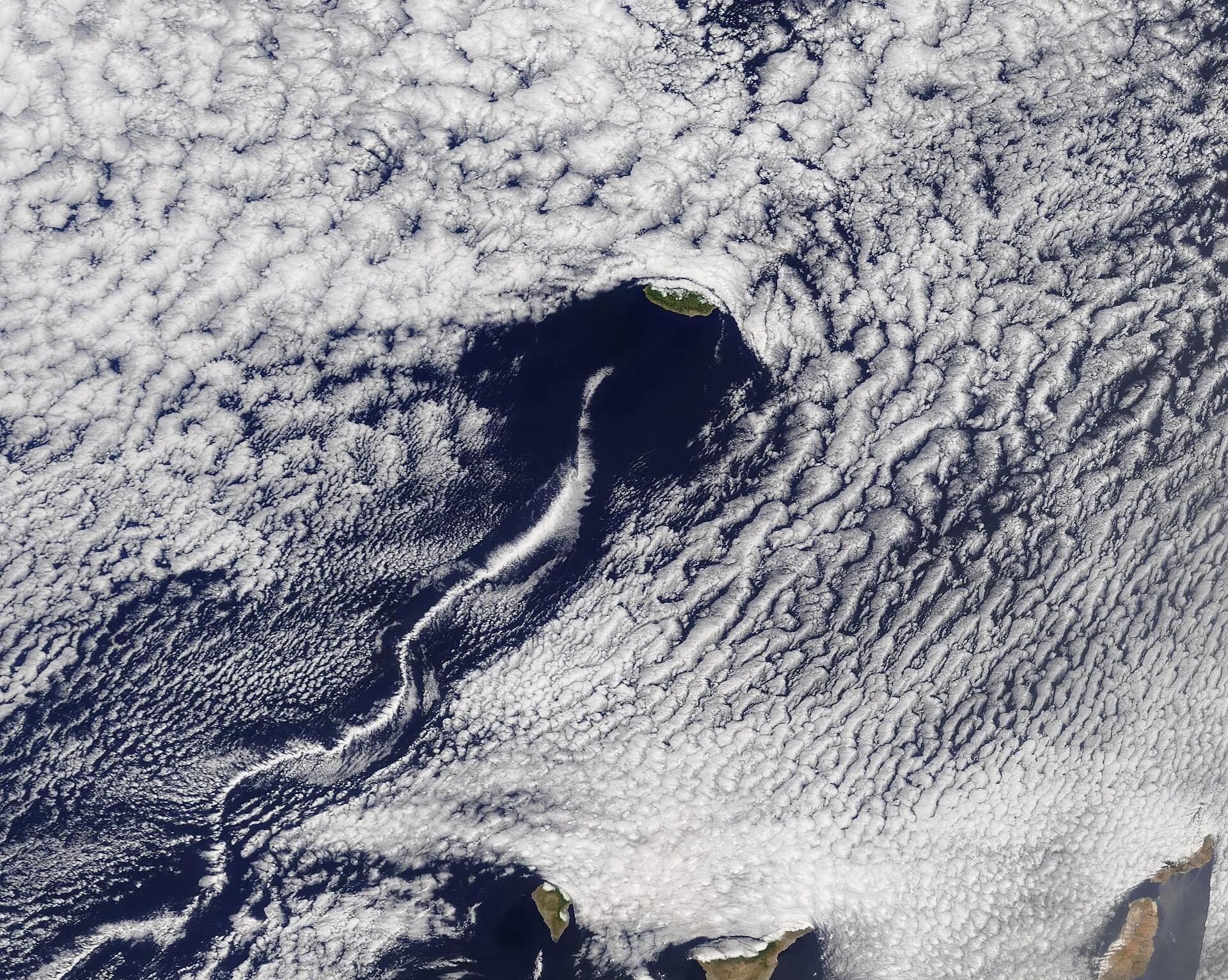
One of the best ways to think about February weather in Madeira is through the island’s microclimates. Madeira does not behave like a single, uniform weather system. Official tourism information highlights the island’s microclimates and notes that different conditions can be experienced between the coast and the mountains within the same day. In winter, that contrast becomes especially visible.
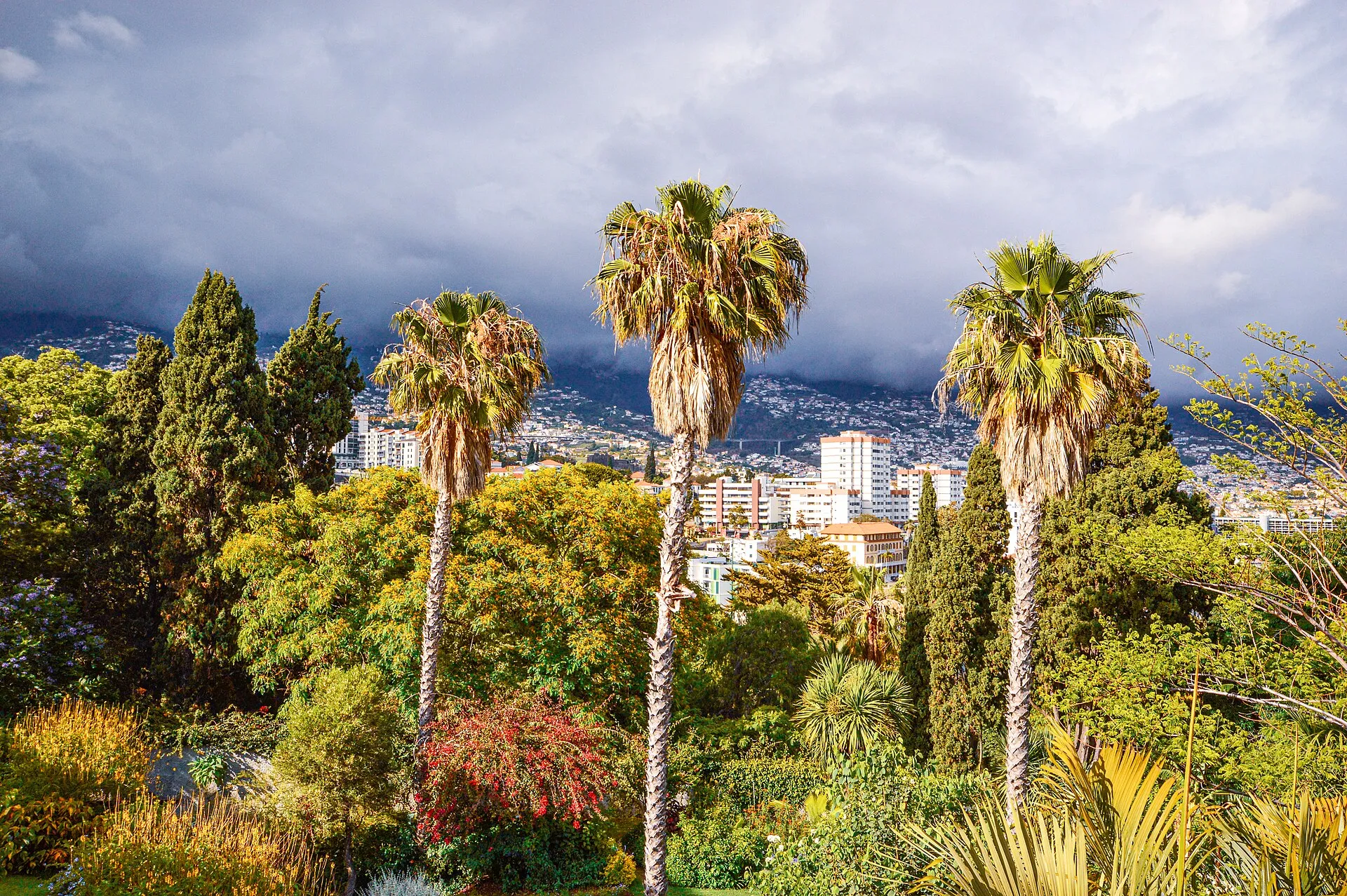
On the south coast, and particularly in Funchal, conditions are usually the most sheltered and the mildest. In the mountainous interior, cloud can settle easily and temperatures can be much lower. That is why February can feel almost spring-like at sea level while still looking and feeling distinctly wintery at higher elevations.
This diversity is part of what makes Madeira so distinctive. For a visitor, the lesson is simple: location matters as much as the date. A forecast for Funchal is not a forecast for the highest ridges, and a dry morning at the coast does not guarantee clear skies in the island’s centre.
What the day feels like in February
According to official Madeira tourism information, in winter sunrise is around 08:00 and sunset is around 18:00. In February, that gives the island a relatively short daylight window compared with spring and summer. The middle of the day is usually the most comfortable time to be outside, because the sun has had time to warm the air and the light is steadier.
Early in the morning, the air can feel fresh, especially with cloud or wind. By midday and into the afternoon, solar warming generally makes conditions more pleasant, although intense heat is uncommon. In the evening, temperatures fall again, and exposed or elevated locations can feel significantly cooler than the urban coast.
For photographers and landscape travellers, that daily pattern can be especially interesting. February often brings a mix of cloud, sun breaks, and mist that can create striking scenery. It can also limit visibility quickly, so the month rewards patience and an adaptable schedule rather than a rigid one.
What February means for trip planning
February can be a very good time to visit Madeira if you want mild weather, green landscapes, and less heat than in summer. Funchal’s climate normals show a month that is mild rather than hot, with average highs close to 20 °C. That is a comfortable range for sightseeing, easy hikes, and scenic drives. But the rainfall and the island’s microclimates mean that a successful trip usually depends on being prepared for weather changes.
Layered clothing is the most sensible choice. A light jacket or waterproof layer, comfortable walking shoes, and the willingness to adjust plans according to conditions fit Madeira’s February climate well. It is better to expect a mix of sunshine, cloud, and occasional rain than to hope for static summer-like weather.
For outdoor activities, February can still offer excellent opportunities whenever the sky clears. At the same time, humidity, wind, and fog in higher areas can make some trails feel more demanding than they look on a map. The island is rewarding in February, but it rewards travellers who read the weather carefully and respect the difference between coast and mountains.
In short
If you are checking Madeira Island weather in February, expect moderate temperatures, intermittent rain, and strong local variation. On the south coast, especially in Funchal, the month is usually mild, with an average temperature of 16.8 °C and an average high of 19.9 °C. Higher up, conditions are cooler, wetter, and more changeable. That combination of mildness, humidity, and microclimates is what defines February weather on Madeira.