
How to get in and out of Madeira Island
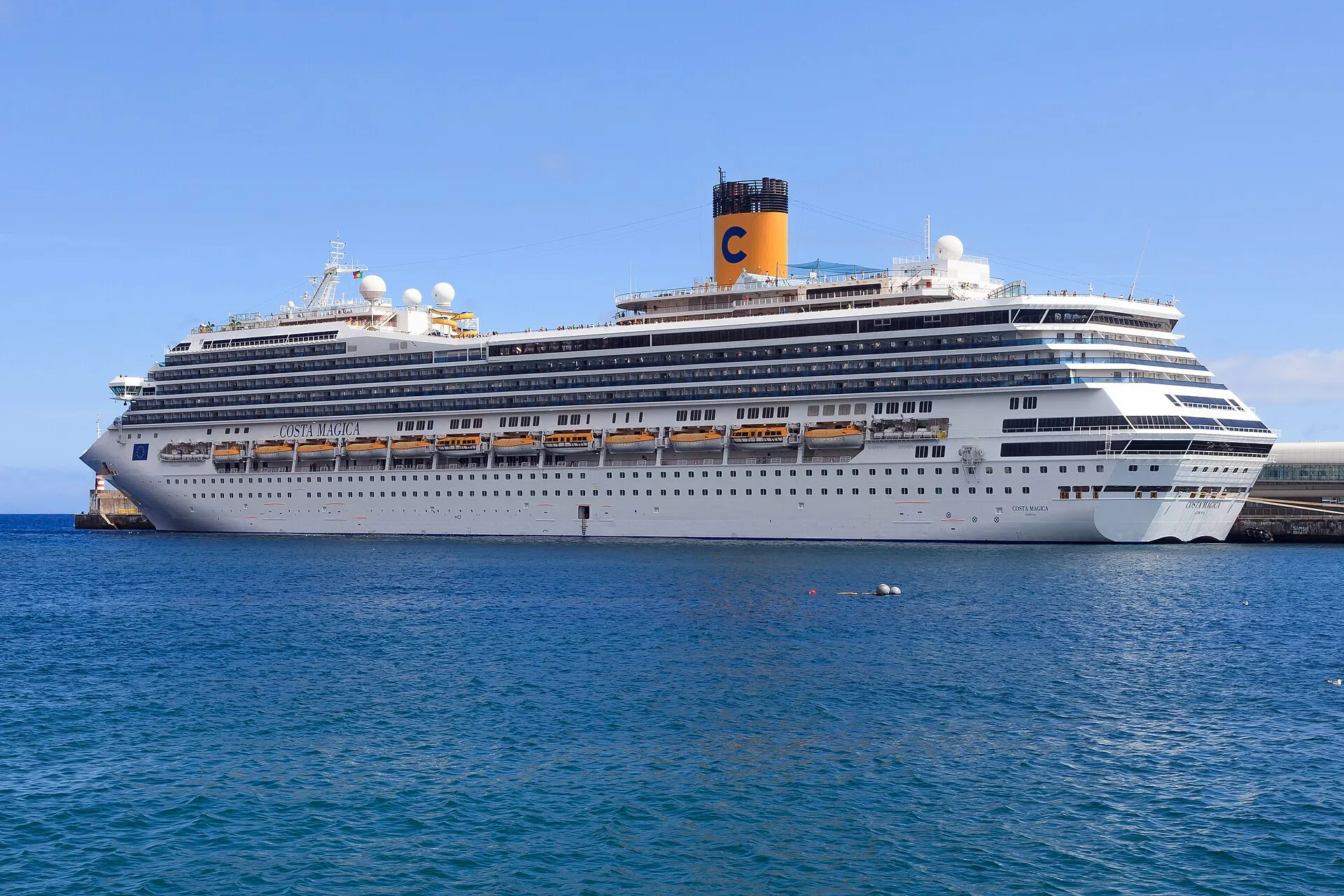
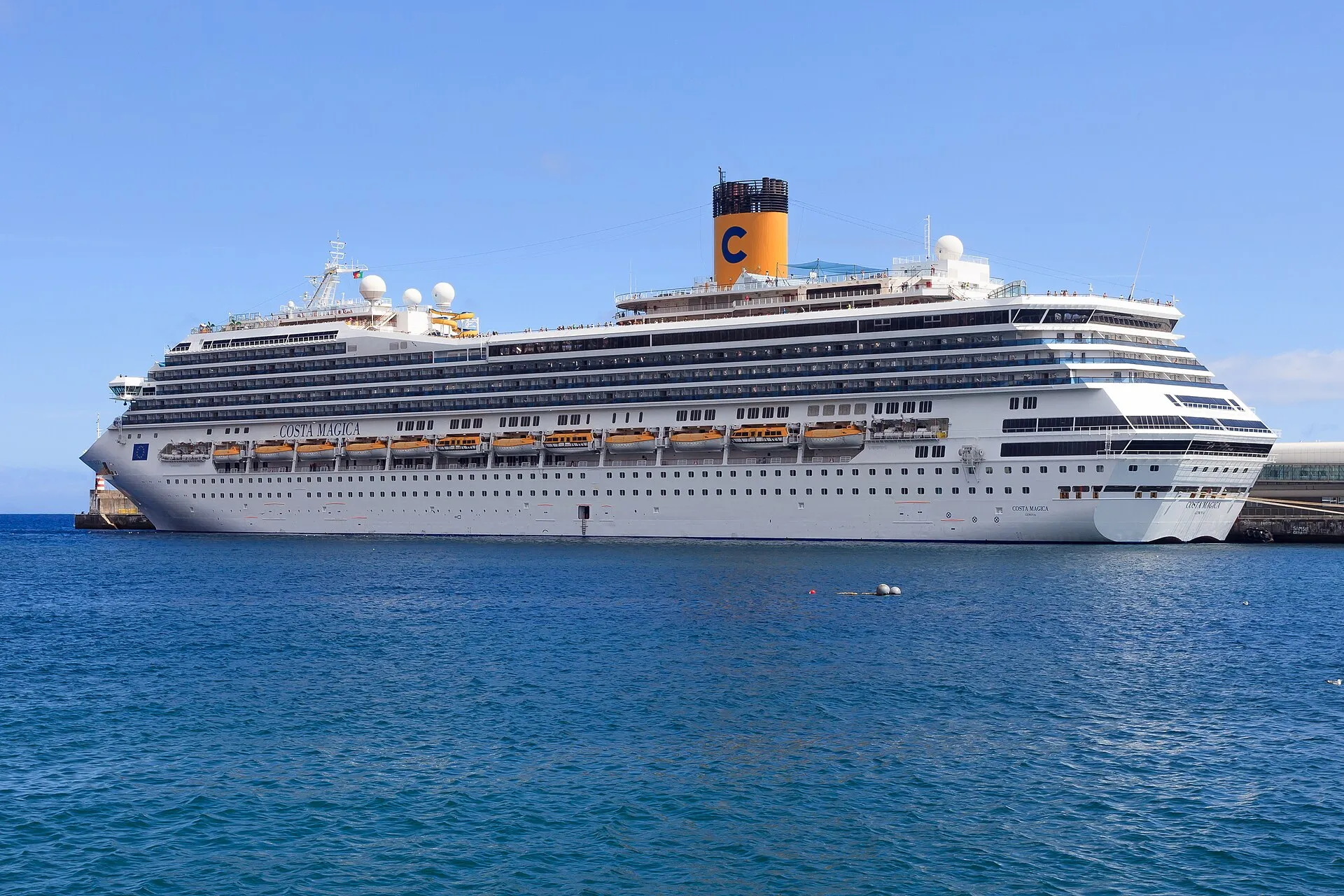
For most travellers, Madeira is entered and left by air. The central hub is Cristiano Ronaldo Madeira International Airport in Santa Cruz, which Madeira’s official tourism board identifies as the region’s main gateway in and out. The same official source also names two main access points to the archipelago: the airport and Funchal Port, the latter being associated mainly with the arrival of large international cruise ships.
In practical terms, flying remains the normal way to travel to Madeira for holidays, work trips or family visits. Sea access exists, but it plays a much smaller role in ordinary passenger mobility. If you want to plan the trip carefully, the best starting point is usually the air route, then dates, and then fare rules and baggage conditions.
The airport and why it matters
The Santa Cruz airport is the infrastructure that supports Madeira’s everyday connection with the outside world. ANA – Aeroportos de Portugal provides real-time operational and departure information for Madeira and advises passengers to confirm flight status with the airline before heading to the airport. That matters because, on an island, even small schedule changes can affect connections, transfers and hotel nights.
Madeira’s tourism board also states that the air journey from Lisbon can take about 90 minutes, while international flights from major European cities take, on average, about three to four hours. These timings help explain why Madeira is a relatively quick destination to reach for many European travellers, despite being an Atlantic island.
Which airlines serve Madeira
Madeira’s official tourism website lists several airlines serving the island, including both network carriers and leisure or low-cost operators such as TAP, easyJet, Condor, British Airways, Lufthansa, Jet2, Norwegian, SAS, Binter, Brussels Airlines, Finnair, Eurowings, Austrian, Luxair, Air Nostrum, Azores Airlines and Edelweiss. That mix matters because the business models are different: some airlines sell fares with more services bundled in, while others start with a lower base fare and charge separately for several extras.
As a result, the same route may look cheaper on one airline and more expensive on another depending on baggage, flexibility, seat selection and changes. For that reason, the smart comparison is not “airline X versus airline Y” in the abstract; it is the total trip cost, on the actual dates and under the actual conditions that matter to you.
Network carrier or low-cost airline: how to compare properly
If your goal is to save money, the most common mistake is to focus only on the advertised fare. A low-cost fare can become less attractive once you add a larger cabin bag, checked baggage, seat selection, priority boarding or changes. At the same time, a network carrier can be better value if those services are already included, especially on trips where baggage is unavoidable or where you need a connecting itinerary.
For Madeira, this matters even more because the island receives travellers from different markets with different buying patterns. Travellers with only a backpack or a small personal item tend to benefit more from light fares; travellers going for several days, travelling as a family, or needing checked baggage should evaluate the full price before booking. In practice, the cheapest ticket on the screen is not always the cheapest ticket in the end.
When it is usually easier to find better prices
The official sources consulted do not provide a universal price calendar and do not allow us to say that there is one month that is always the cheapest. What can be said safely is that prices vary with demand, how far in advance you book, and how flexible your dates are. On a leisure-heavy island route like Madeira, those variables matter even more than on destinations with more frequent capacity.
So “cheaper periods” are less about a magic month and more about your own calendar. If you can travel outside school holidays, public holidays and busy weekends, you will usually have a better chance of finding competitive fares. Likewise, flexible outbound and return dates often open up cheaper combinations than a search tied to one exact day.
A useful rule of thumb is to test several combinations: midweek departures, different return days and different stay lengths. Even without promising fixed low prices, this approach increases the odds of finding a better overall fare.
Practical ways to save on the booking
The first tip is straightforward: compare more than one date. Network and low-cost airlines alike use limited fare buckets and variable pricing, and the difference between dates can be larger than the difference between airlines. If your schedule allows it, flexibility is often the most effective way to save.
The second tip is to book with some advance notice, but not to leave it too late. On a route with seasonal demand, waiting until the last minute often reduces the number of low fares still available. That does not mean buying early at any price; it means monitoring prices and booking when the price and conditions make sense together.
The third tip is to use price alerts and comparison tools, especially if you are departing from markets with fewer direct services. Searching alternative airports can also help, because sometimes it is worth taking a slightly cheaper fare from another airport even after adding the cost of getting there.
The fourth tip is to pay attention to connections. A connecting itinerary can be cheaper than a nonstop flight, but it can also make the trip more tiring and more vulnerable to disruption if the connection is short or if schedules change. For Madeira, it is worth balancing price against comfort and reliability, especially when the journey involves flights beyond Europe.
Baggage: where many savings are lost
Baggage is often the point where a cheap trip becomes expensive. TAP publishes cabin-baggage limits, including a 10 kg maximum and maximum dimensions of 55 x 40 x 25 cm for the main cabin bag under specific travel conditions. easyJet says that everyone can bring one small cabin bag free per passenger, with maximum dimensions of 45 x 36 x 20 cm, and that extra baggage has its own rules. Ryanair distinguishes between a small personal bag and a 10 kg bag for passengers who buy Priority & 2 Cabin Bags.
The practical consequence is simple: if you want to save money, check the rules before you book, not after. If your bag does not fit the permitted dimensions, or if the fare does not include what you actually need, the supposed discount disappears quickly. On short trips, a well-planned cabin-only strategy can make a meaningful difference to the total cost.
It is also worth remembering that some airlines charge more for baggage added at the airport than for baggage added online. If you already know you will need to check a bag, it often pays to sort that out at the time of booking or at least before check-in.
How to choose between nonstop, connecting and inter-island options
For most passengers, a nonstop flight to Funchal is the simplest option when one is available. Madeira’s tourism board says flights from major European cities are frequent and relatively quick, which makes the airport the natural solution for almost all arrivals and departures.
Between Madeira and Porto Santo, the situation is different: there are two officially supported options, an air shuttle of about 15 minutes and the Lobo Marinho ferry, which takes around 2 hours 15 minutes to 2 hours 30 minutes depending on the official source consulted. If your trip includes both islands, that is the relevant maritime option to consider. Funchal Port, by contrast, is presented as a cruise port for major international ships, which matters mainly for cruise passengers rather than as a regular substitute for air travel.
Practical tricks that genuinely help
A simple trick is to check alternative departure airports. Sometimes the cost of getting to another airport is lower than the fare difference. Another trick is to look at arrival times: a cheaper flight can become expensive if it forces you to add another hotel night, less convenient transfers or a wasted day of holiday. On island trips, logistics matter as much as the fare.
It is also wise to keep essentials in your cabin bag: documents, medication, valuables and what you need for the first night. ANA recommends checking flight operations and confirming departure status before going to the airport. These small routines can save time and reduce stress, especially on trips with connections or checked baggage.
Finally, always calculate the full trip cost. Include baggage, seat selection, change fees, the cost of reaching the airport and any extra accommodation. A small difference in the ticket price can disappear once all the extras are added.
What really matters when your goal is to save
There is no single formula that always produces the cheapest Madeira flight. What does exist is a combination of good habits: compare dates, consider alternative airports, understand the real value of baggage, avoid fares that do not fit your type of trip, and use official sources to confirm timings and conditions.
If you travel with that logic, Madeira remains a relatively accessible destination, especially because of the strength of the air links to Santa Cruz airport. And when your trip includes Porto Santo, the combination of air and ferry gives you clear inter-island options as well. The secret is not to find one airline that is “always cheapest”; it is to choose, for each trip, the most efficient overall solution for your budget.