
Overview
September is one of the months when Madeira usually offers a very balanced mix of mild warmth, bright days, and local weather contrasts. In broad terms, the island keeps its gentle character: summer has not really ended, yet the light and atmosphere are already beginning to lean toward autumn. For many travellers, that creates a comfortable month for sightseeing, beach time, viewpoints, and outdoor activities.
In practical terms, September is usually warm enough for the sea and the coast, without the sharper heat that some destinations experience in high summer. At the same time, Madeira is not meteorologically uniform. Conditions can change noticeably between the south coast, the north-facing slopes, the mountain areas, and the higher elevations. That variety is part of the island’s climate identity, and it is why the weather can feel quite different from one place to another on the same day.
Typical temperatures
According to the climatological information consulted for September, Funchal sees average daytime highs of around 24 °C and average night-time lows of around 21 °C. That helps explain why September is often described as a warm but not overly hot month, with mild evenings and a generally comfortable feel.
These figures are most useful as a reference for Funchal and nearby coastal areas. Elsewhere on the island, temperatures can vary substantially with altitude and exposure to wind and cloud. Madeira’s complex terrain creates significant differences between low and high ground and between north and south slopes. So it is entirely normal for a sunny, warm coast to coexist with cooler, cloudier mountain conditions on the same day.
Sunshine, rain, and the overall feel
September usually remains a sunny month in Madeira. One of the sources consulted gives Funchal about 211 hours of sunshine over the month, which helps explain the island’s strong reputation as a pleasant place to visit at this time of year. Even so, brightness and cloud cover can vary considerably depending on location and time of day.
Rainfall in September tends to sit in the low to moderate range, though it is not evenly distributed across the island. Some places are relatively dry, while others can see more frequent showers. In practice, that means September should be regarded as generally stable and attractive rather than completely dry. A clear morning can give way to cloudier conditions in the highlands, and one side of the island may receive light showers while another remains sunny.
Microclimates: the key factor
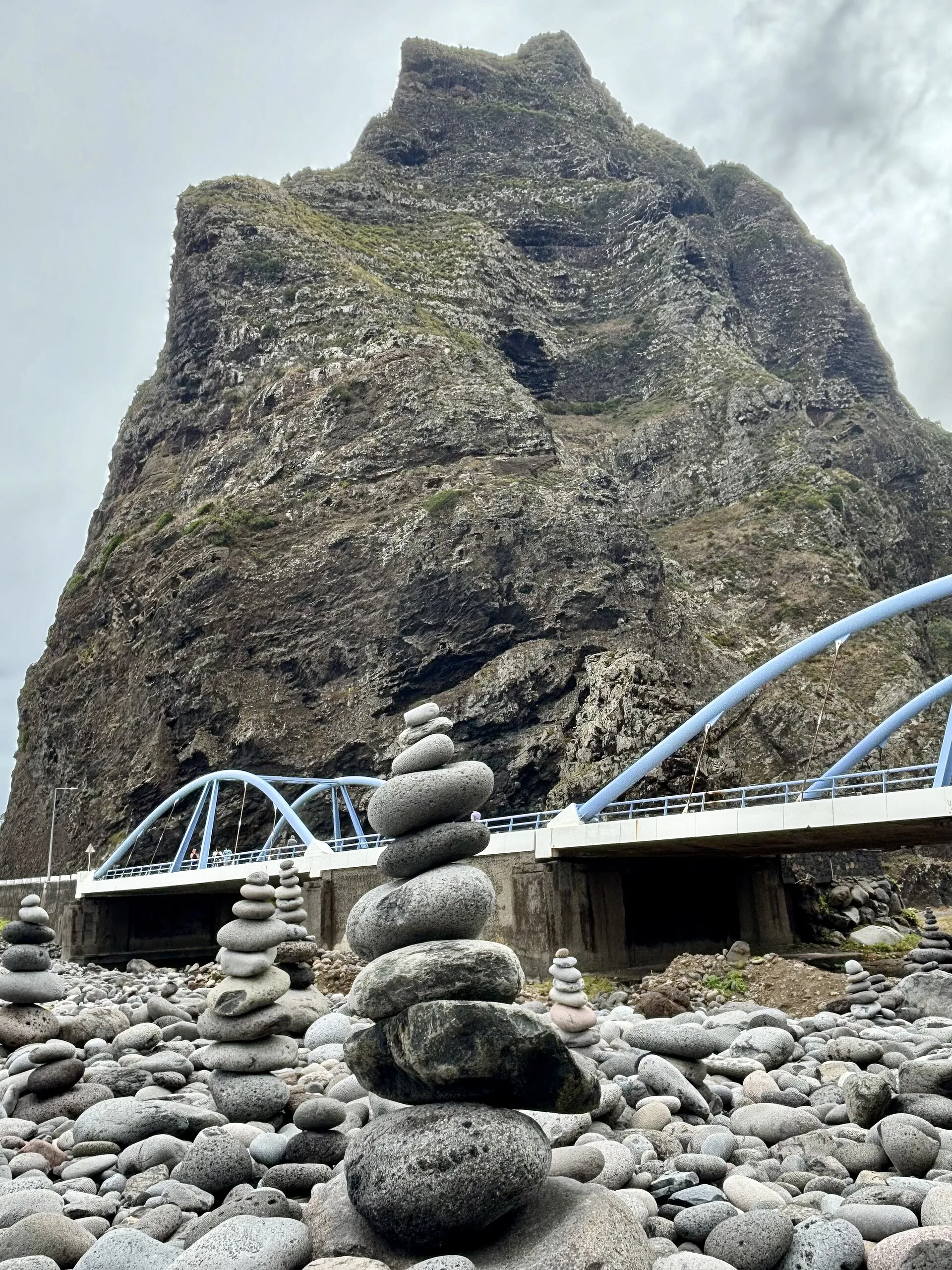
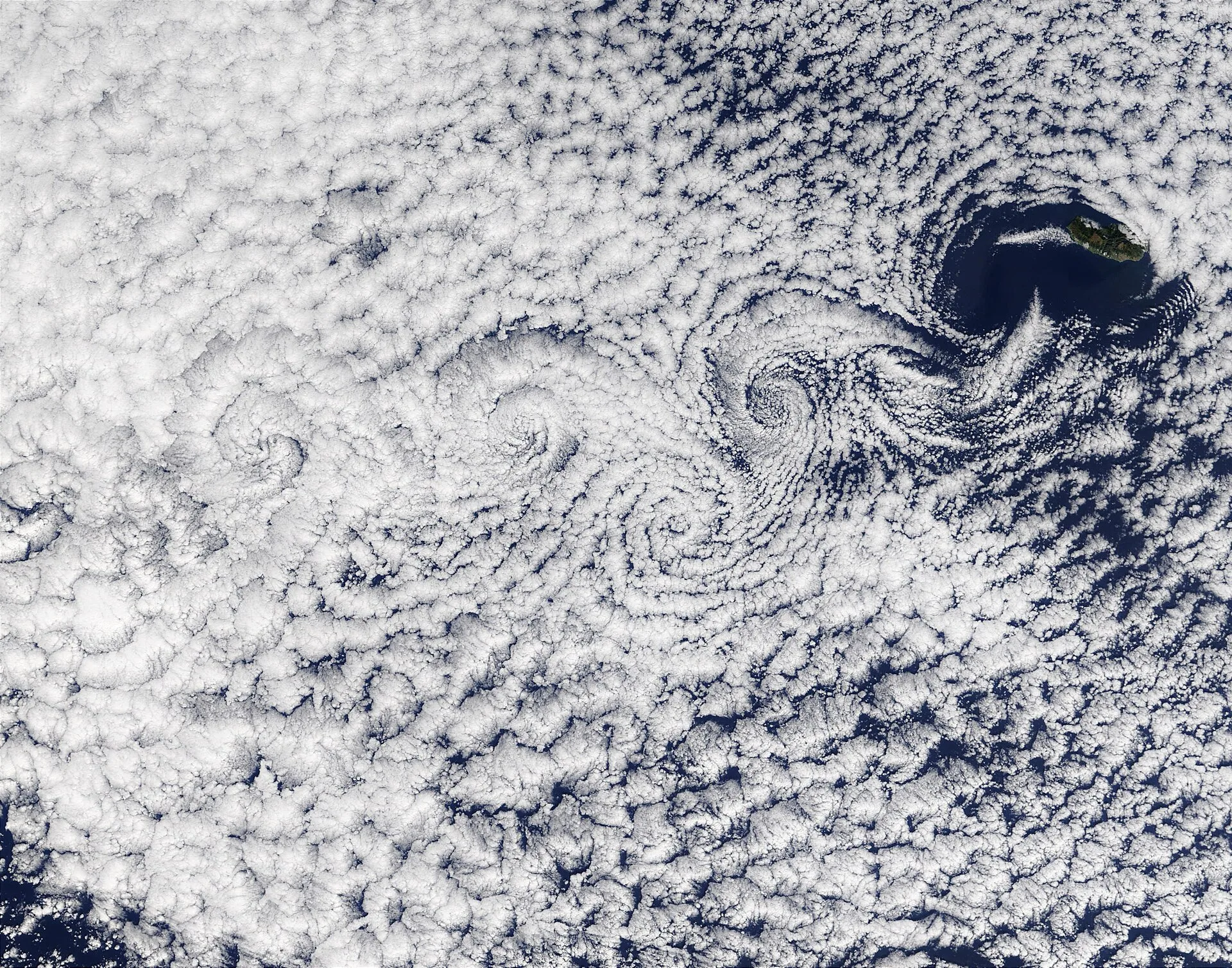
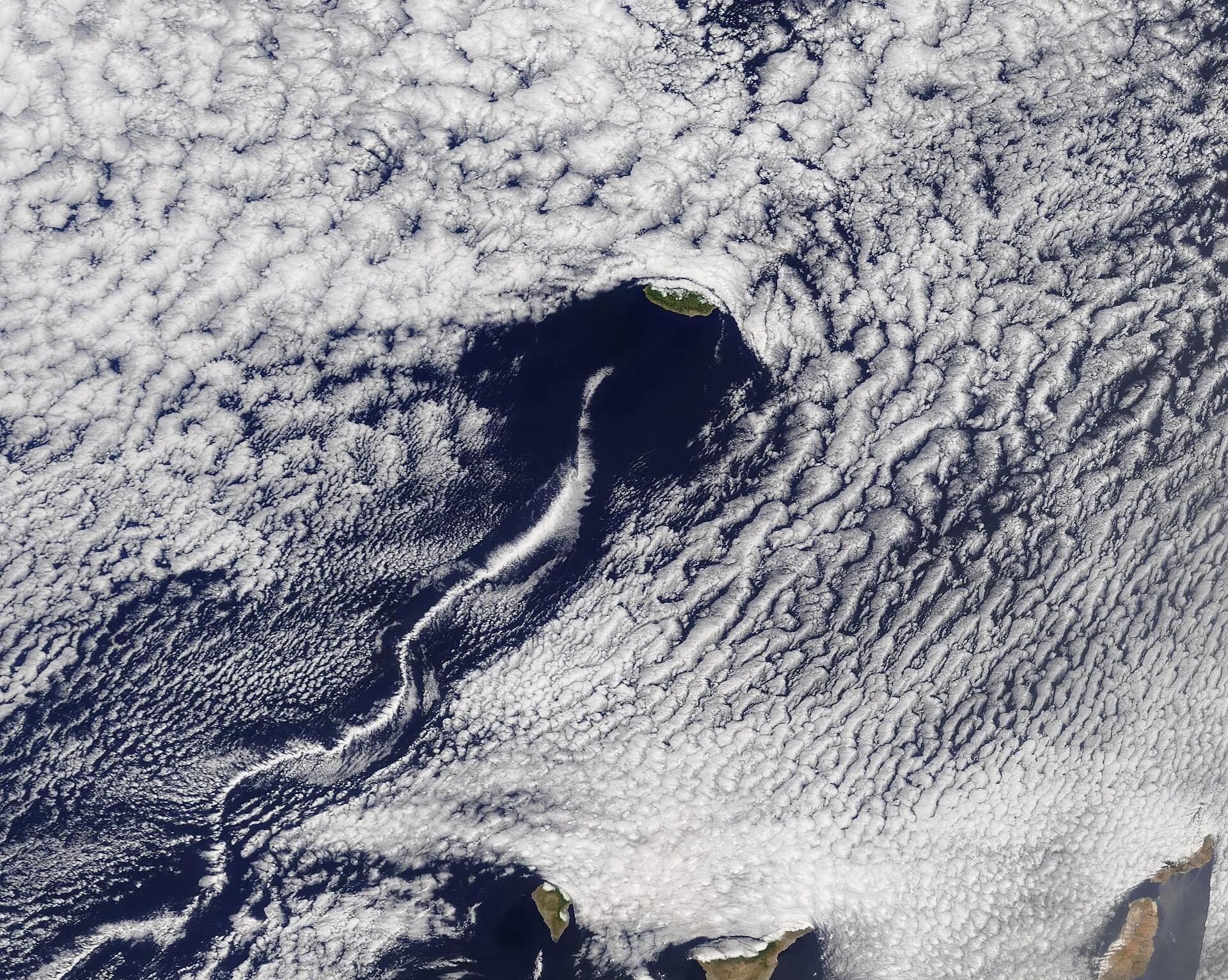
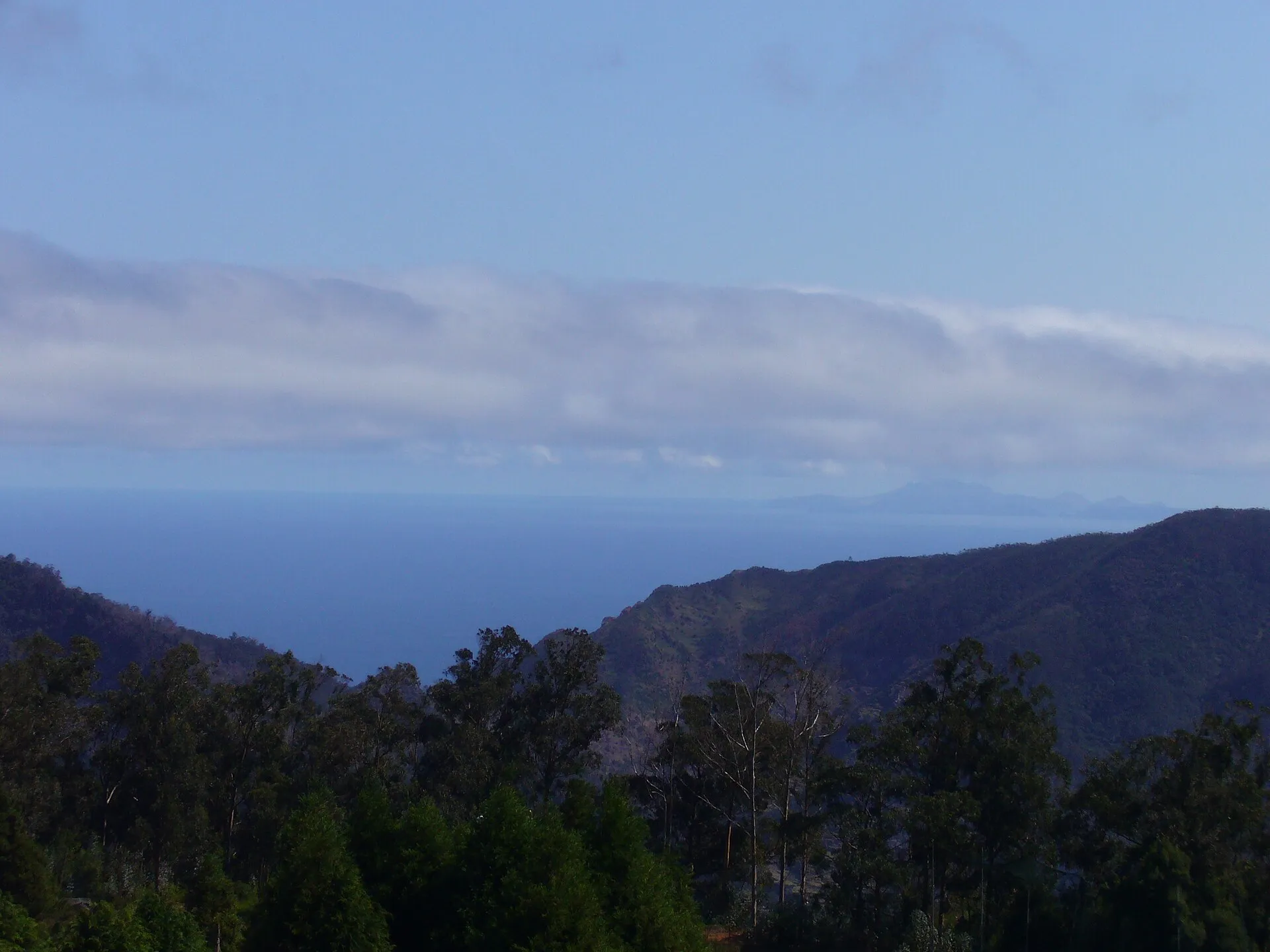
One of the most important things to understand about Madeira in September is the island’s microclimates. Madeira’s mountainous landscape creates strong contrasts between coast and interior, east and west, and north and south. Climatological descriptions identify the island as subtropical and temperate, with a dry, temperate summer across much of the island, but with pronounced local variation caused by the terrain.
In simple terms, it can be misleading to think of “Madeira weather in September” as one single condition. If you plan to spend the day at the beach or along the seafront, the south coast will often feel warmer and more sheltered. If you plan to walk levada trails, visit viewpoints, or go into higher elevations, you should expect cooler temperatures, more cloud, and a greater chance of wind. The same applies to a full-day itinerary: a sunny morning can easily turn into cloudier mountain conditions later on.
What the month feels like for visitors
September is often a very well-balanced month for exploring Madeira without the busier pace of peak summer. Days are still long and pleasant enough to combine sea, city, and nature, while the island gradually takes on a calmer early-autumn atmosphere. Mild temperatures are suitable for walking, garden visits, coastal drives, and moving between different parts of the island.
At the same time, September offers a lot of flexibility. You can start the day by the ocean, head into the mountains, and end somewhere with a completely different sky. That diversity is part of Madeira’s charm, but it also means a little planning helps: layered clothing, sun protection, and attention to local forecasts remain useful even when the broad outlook looks favourable.
How the month evolves
In simple terms, September marks a gentle transition from summer warmth to early autumn calm. There is no abrupt shift, however. Madeira tends to retain mild, bright conditions, with enough heat for outdoor activities and, on many days, comfortable beach or natural-pool weather. The main change is less about a sudden drop in temperature and more about the island acquiring a slightly calmer and more settled character.
That combination of mild temperatures, strong sunshine, and pronounced local variation is what makes September especially interesting. For some travellers, it is one of the most practical times to visit Madeira precisely because the weather still feels generous, while the island has already started to move away from the intensity of high summer.
Practical takeaway
If you are planning a trip to Madeira in September, the most likely scenario is a warm, bright, and comfortable month, with highs around 24 °C in Funchal, mild nights, plenty of sunshine, and important local weather differences across the island. The best way to read Madeira’s September weather is as a set of generally favourable conditions shaped by the terrain as much as by the season itself.