
Urban and historical setting
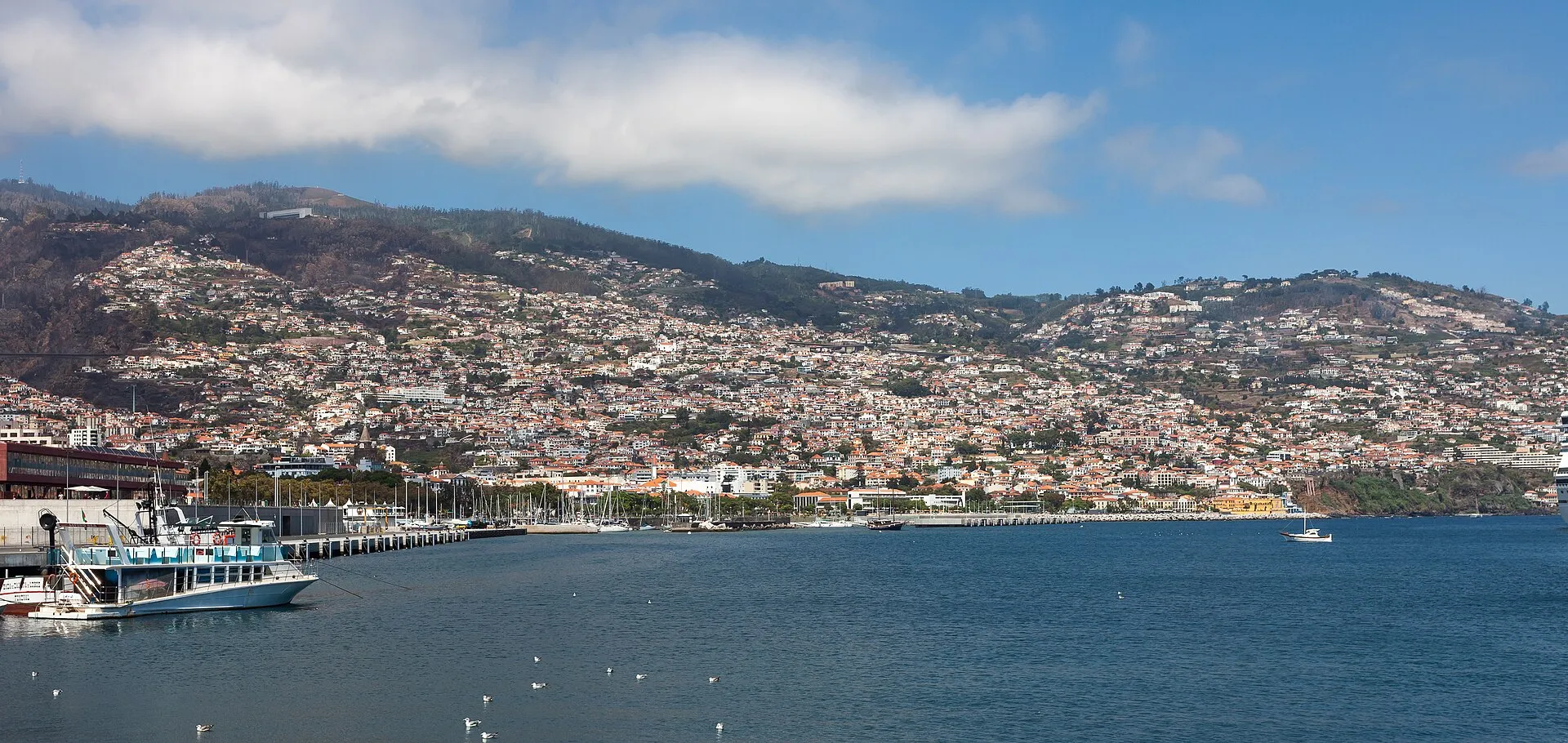
The Historic Zone of Funchal, better known as the Old Town, is the city’s historic core on the island of Madeira. It helps explain how Madeira’s capital came into being because it is linked to Funchal’s first settlement and still functions as part of the living city today. The sources consulted describe Funchal as Madeira’s capital and the archipelago’s main tourist, commercial, and cultural centre, which goes a long way toward explaining why this old quarter remains so important in the city’s identity.
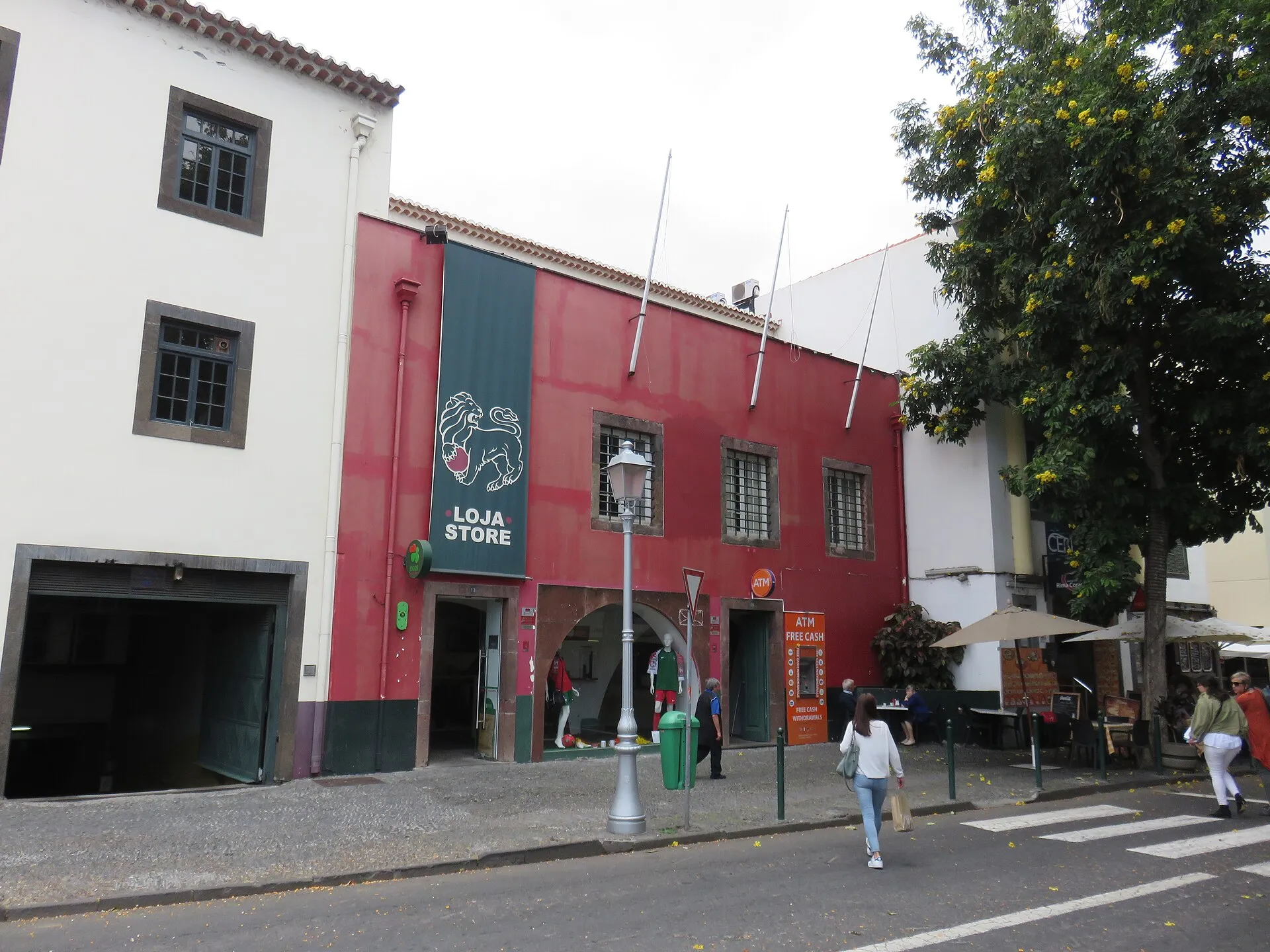
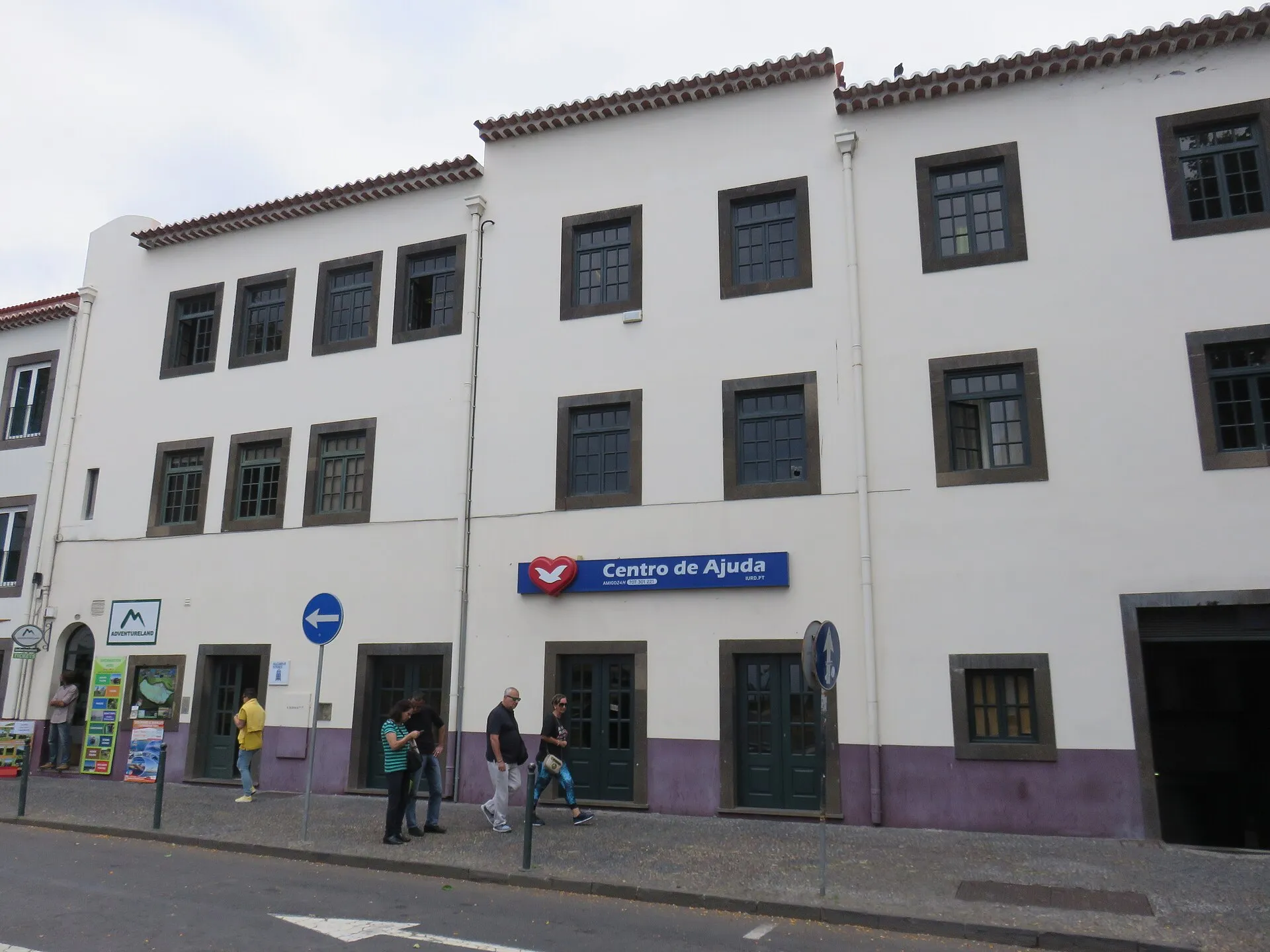
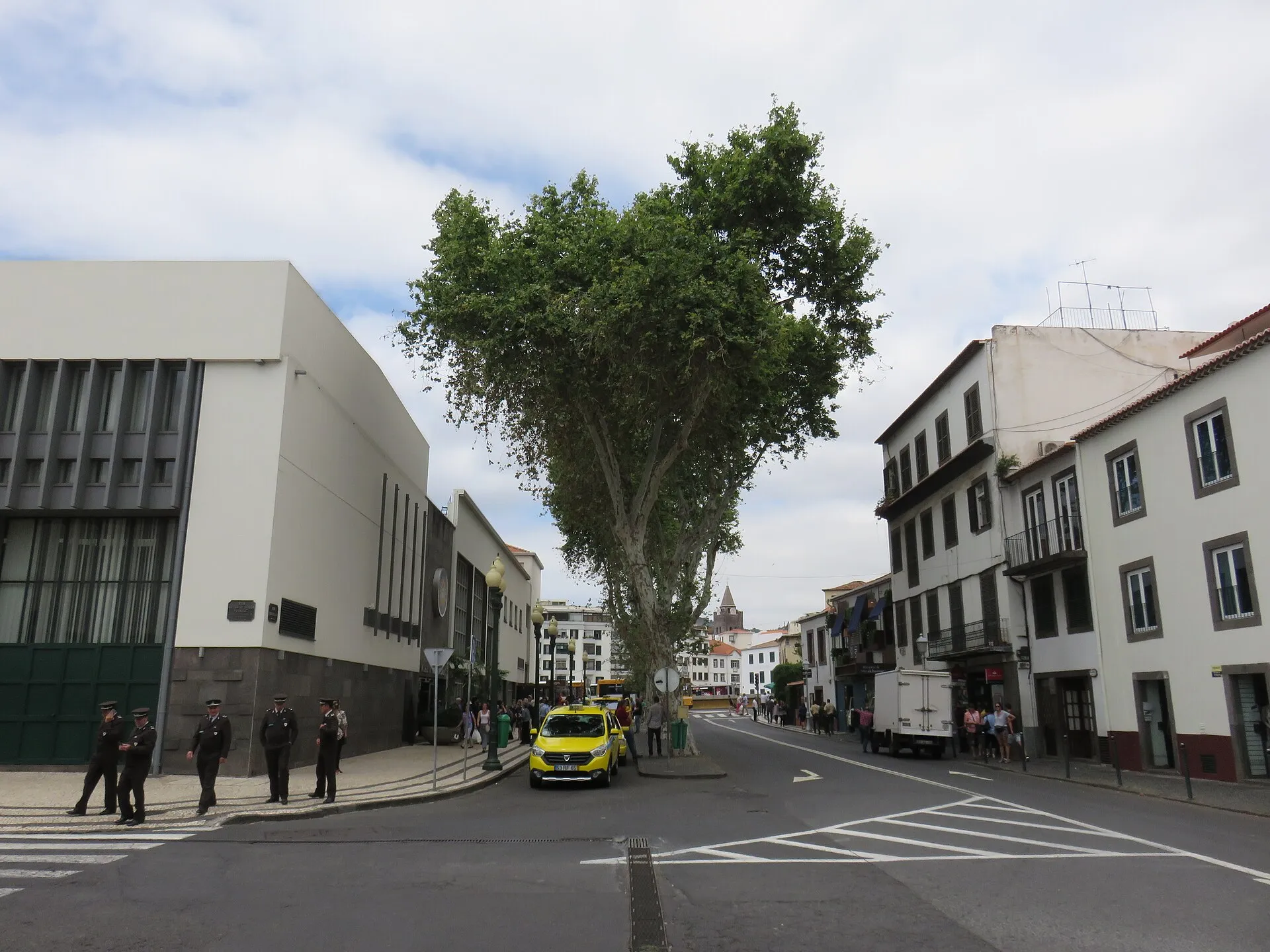
What makes the Old Town distinctive is not simply its age, but the way its urban fabric still preserves a recognisable historical scale. Narrow cobbled streets, traditional façades, and continuing everyday use give the area a sense of continuity. Rather than operating as a frozen heritage display, it remains a neighbourhood where the city’s older layers are still visible in ordinary movement, trade, and local life.
Where the city began
Official Madeira tourism sources state that Funchal’s first settlement emerged in the area now called the Old Town. That association is central to the district’s meaning: it is not just an old neighbourhood, but the place linked to the city’s beginnings. As a result, walking through the area offers a way to understand the relationship between Funchal’s original nucleus and the later growth of the city beyond that first core.
The historical importance of the area is reinforced by the fact that Funchal was elevated to city status on 21 August 1508 by royal charter of King Manuel I. That date helps place the Historic Zone within a long urban chronology in which the old core remained legible even as the city expanded and changed around it.
Narrow streets, cobbled paving, and traditional façades
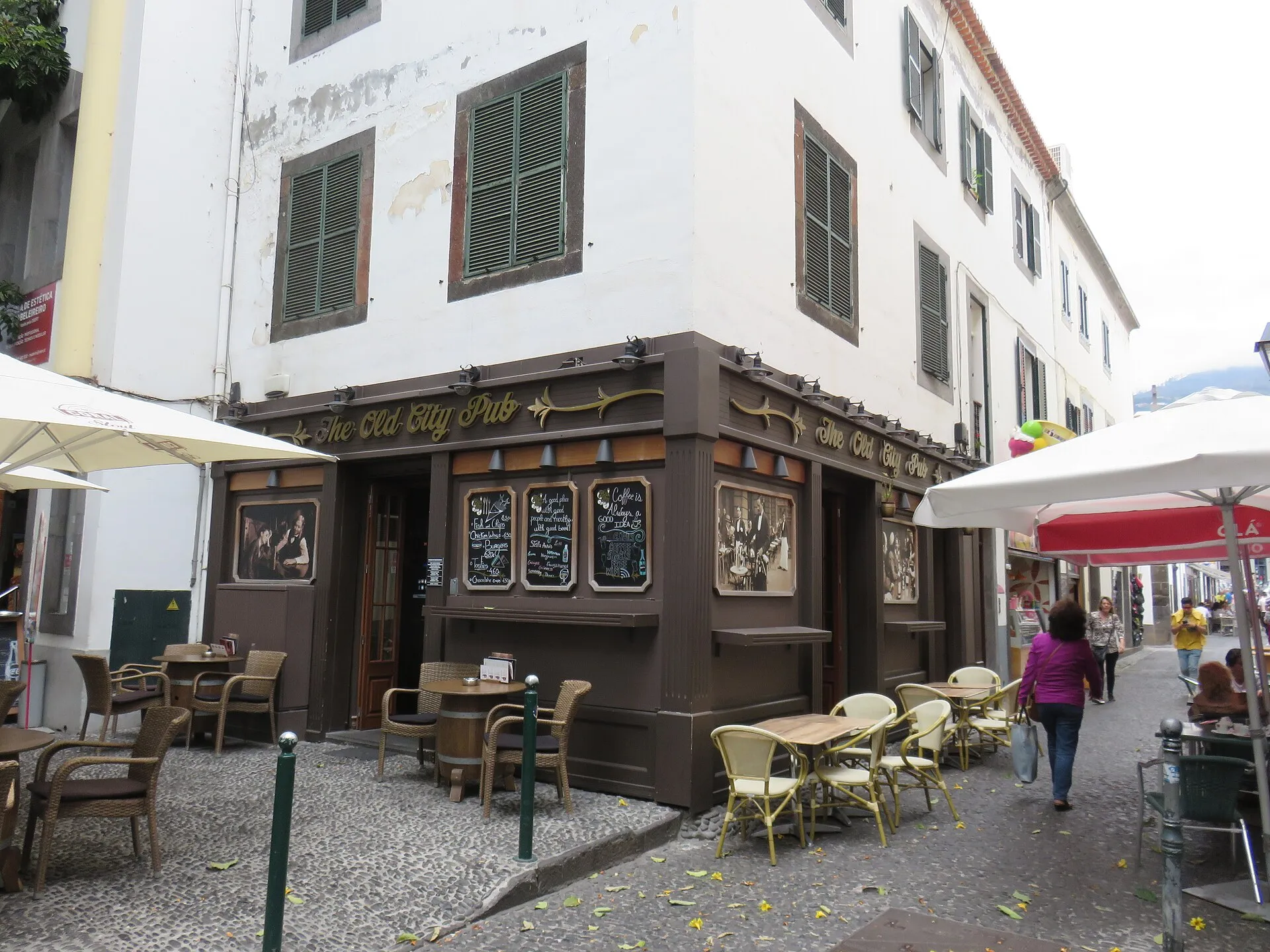
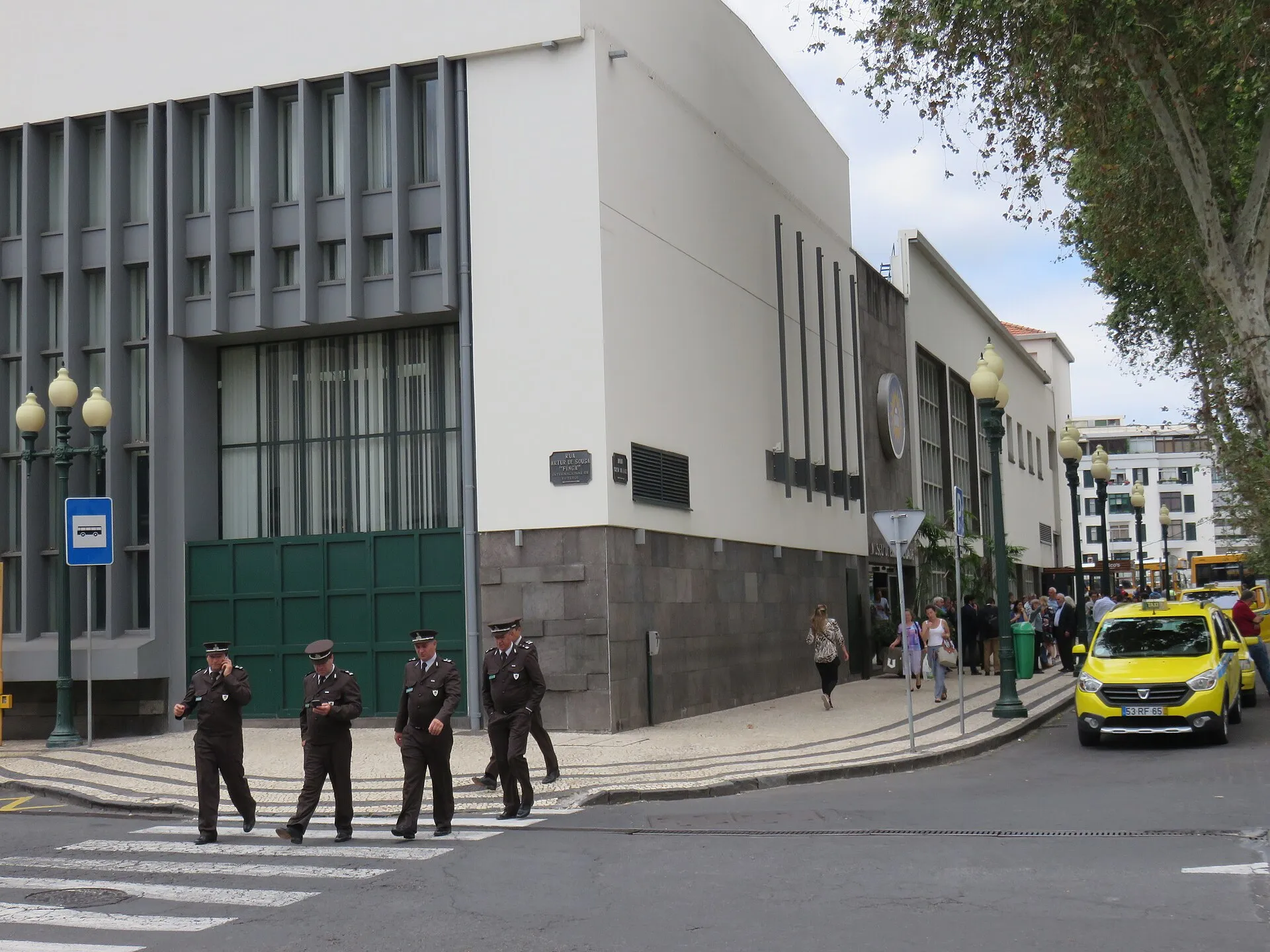
One of the most familiar images of the Old Town is its narrow cobbled streets lined with the traditional façades of older houses. This gives the district a distinctly walkable scale and creates a more intimate experience of the city. Compared with newer and more open parts of Funchal, the street pattern here retains a density that points back to earlier phases of settlement.
The official descriptions emphasise the area’s strong heritage and architectural value. In other words, this is not only a picturesque quarter with tourist appeal; it is also an urban ensemble of historical significance, where the built environment reveals a long continuity between the city’s past and its present. A walk through the district therefore reads as a lesson in urban history as much as a scenic stroll.
Corpo Santo Chapel and other landmarks of memory
At the heart of the historic area stands the Corpo Santo Chapel, described as one of the few surviving 15th-century buildings. Its importance is twofold: it connects the district to the city’s earliest historical period, and it serves as a marker for the antiquity of the old urban core. The chapel is not merely an isolated monument; it anchors the memory of the first settlement.
Another essential axis is Santa Maria Street, described as one of the oldest streets in Funchal. This street brings together heritage and everyday life through traditional local businesses. The sources specifically mention the Fábrica de Chapéus and the Fábrica de Botas de Vilão, which show that the district’s identity includes not only old buildings but also the persistence of long-established commerce.
Further along the same street is the Socorro Church, described as Baroque, together with a small viewpoint. These elements give the route variety and show that the district’s historical character is built up through successive points of interest rather than a single dominant monument. The chapel, the street, the shops, and the church all contribute to the place’s layered identity.
The Painted Doors project and visual renewal
In recent years, the Old Town has also become closely associated with the Painted Doors project. According to the sources, this initiative invited the artistic community to intervene on doors and façades, turning part of the district into an open-air art gallery. The effect was not to replace the historic fabric, but to add a contemporary visual layer to an already distinctive urban environment.
This coexistence of heritage and artistic creation helps explain why the district still feels current. The contemporary intervention does not erase the older setting; it works in dialogue with it. The result is a place where several periods can be read at once: the time of the city’s beginnings, the time of traditional neighbourhood commerce, and the time of recent artistic reinterpretation.
Everyday life, commerce, and nightlife
Despite its strong heritage profile, the Historic Zone of Funchal remains a place of everyday life. The official descriptions mention traditional shops, restaurants, and bars, showing that the district still serves practical urban functions. By day, it attracts visitors who want to walk, look at façades, visit long-established businesses, and follow a historic route. In the evening and at night, it takes on a different energy, linked to the well-known nightlife for which the Old Town is also known.
That coexistence of daytime and nighttime uses is one reason the area remains so visible in the city. Rather than acting like a sealed-off historic set piece, it stays integrated into the capital’s urban rhythm. It is both a memory of the city’s beginnings and a contemporary place for meeting, eating, and leisure, which gives it a distinctive and enduring vitality.
How to read the district on a visit
The Historic Zone of Funchal is best appreciated slowly. Its appeal lies not only in the best-known points — the Corpo Santo Chapel, Santa Maria Street, the Socorro Church, and the Painted Doors project — but also in the overall atmosphere created by its old-scale streets. To walk here is to see how the city first took shape and how key elements of that early form remained visible over time.
For anyone wanting to understand Funchal beyond the city’s more familiar viewpoints, gardens, or scenic routes, this is one of the most useful places to begin. It offers a clear picture of how the capital originated, how it expanded, and how it continues to reinterpret its historical inheritance in everyday life. The Historic Zone is therefore not just a destination to visit; it is a key to understanding the city.
Its place within Funchal as a whole
The district’s importance becomes even clearer when Funchal is seen in its broader context. As Madeira’s capital and its main tourist, commercial, and cultural centre, the city concentrates much of the region’s urban life. In that setting, the Old Town functions as a visible point of origin, where the earliest formation of the city can still be read on the ground despite centuries of transformation.
That combination of antiquity, continuity, and adaptation is what most strongly defines the district. Its value lies not only in preserving the past, but in showing how the past continues to shape the city’s landscape and daily life. For that reason, the Historic Zone of Funchal remains an essential reference for understanding the Madeiran capital in depth.